transferable skills for delivery drivers form the quiet backbone of an extraordinary professional evolution, where the asphalt-stained streets of our modern cities serve as the ultimate proving ground for tomorrow’s industry leaders. Beneath the hum of idling engines and the relentless ticking of the dispatch clock lies a masterclass in human capability, quietly forging individuals into resilient strategists capable of conquering far more than just metropolitan traffic jams.
Every single mile logged across congested concrete corridors demands a unique blend of razor-sharp spatial awareness, unflinching emotional poise, and split-second decision-making that far exceeds the simple act of moving boxes from one zip code to another. As we peer through the windshield of the modern courier, we uncover a treasure trove of hidden talents—from master-level crisis management and dynamic spatial intelligence to autonomous time stewardship and rapid doorstep diplomacy.
These are the foundational tools of a true professional, waiting to be unleashed upon boardrooms, executive suites, and corporate operations worldwide.
The unique psychological resilience developed while navigating chaotic urban traffic corridors transforms delivery personnel into master crisis managers.

Source: collidu.com
Every single day, delivery professionals step into rolling capsules of focus, launching directly into the pulsing, unpredictable veins of modern metropolitan areas. While onlookers see merely a vehicle moving from point A to point B, the cockpit serves as an intensive laboratory for advanced human psychology and instantaneous adaptation. Navigating congested concrete canyons requires an invisible armor built from split-second decisions, sensory filtering, and profound emotional regulation.
Behind the steering wheel or handlebars, delivery couriers engage in a silent, high-stakes choreography, transmuting the raw chaos of gridlocked streets into a masterclass of grace under extreme pressure.
Encountering sudden route obstructions acts as a relentless catalyst for acute mental adaptability, forcing the human brain to rewrite its neurological playbooks in milliseconds. When a delivery driver rounds a corner only to face an unexpected road closure, a vehicular breakdown, or a sudden severe weather blockade, the prefrontal cortex immediately shifts gears from routine execution to dynamic spatial problem-solving.
This constant exposure to unpredictability builds cognitive flexibility, a psychological trait defined by the ability to switch between conceptual thinking and rapidly adjust behavioral responses to changing environments. Research in occupational psychology demonstrates that individuals regularly facing environmental volatility develop superior working memory and enhanced task-switching capabilities compared to workers in static office settings. Instead of succumbing to panic, the seasoned courier’s brain rapidly assesses alternative topological maps, recalculates temporal constraints, and executes a pivot with clinical precision.
This daily friction polishes the mind into a sharp, responsive instrument capable of transforming abrupt disruptions into manageable puzzles.
Cognitive mechanisms behind maintaining emotional equilibrium during severe delivery delays
Maintaining emotional equilibrium amidst relentless delays demands sophisticated internal regulation, where the mind acts as both the storm and the anchor. When traffic halts completely or a customer demands an impossible timeline, the human nervous system naturally triggers a fight-or-flight response, flooding the body with cortisol and adrenaline. To counteract this primal urge toward frustration or road rage, professional drivers unconsciously deploy advanced cognitive reframing techniques, viewing the delay not as a personal assault on their schedule, but as a neutral atmospheric condition of transit.
This mental shift prevents the amygdala from hijacking rational thought, allowing the executive functions of the brain to remain firmly in control. Cognitive load theory highlights how experienced couriers compartmentalize external chaos, focusing exclusively on immediate, controllable variables rather than agonizing over macro-level gridlock.
The invisible stressors of vehicular navigation weave a complex tapestry of mental and physical fatigue that demands robust internal countermeasures. Couriers constantly process an overwhelming influx of stimuli—pedestrians darting across lanes, aggressive motorists, erratic GPS signals, and tight delivery windows—which silently drains cognitive reserves. Overcoming these hidden pressures requires a deliberate internal decoupling, where drivers establish psychological boundaries between the relentless environment outside and their internal state of being.
Through years of navigating dense urban grids, these professionals curate mental toolkits consisting of rhythmic breathing, micro-meditations at long stoplights, and the deliberate synchronization of physical movements with the flow of traffic. These internal strategies neutralize the insidious creep of burnout, ensuring that high-pressure environments do not compromise long-term mental wellahiya.
True crisis management is not the absence of chaos, but the mastery of one’s internal response while the external world dissolves into unpredictability.
Understanding the physiological impacts of these stress-mitigation practices reveals how professional drivers protect their long-term health while operating in high-stress professions. Implementing intentional breathing patterns and muscular relaxation techniques directly stimulates the vagus nerve, initiating the parasympathetic nervous system response to lower heart rates and reduce blood pressure. Scientific studies measuring occupational stress among transit workers consistently show that individuals who actively practice on-the-job decompression maintain lower baseline cortisol levels and exhibit enhanced cardiovascular resilience over time.
The following breakdown illustrates the physiological transformations that occur when a courier transitions from acute traffic stress to managed equilibrium:
- Activation of the parasympathetic nervous system reduces circulating stress hormones, preventing chronic inflammation and cardiovascular strain during extended gridlocks.
- Controlled diaphragmatic breathing increases oxygen perfusion to the brain, sharpening visual reaction times and spatial awareness in dense traffic corridors.
- Deliberate muscular release prevents chronic tension headaches and physical stiffness associated with prolonged gripping of steering mechanisms in high-anxiety zones.
Urban delivery logistics continue to evolve, and the psychological fortitude forged within these chaotic traffic corridors establishes a definitive benchmark for high-performance crisis management across multiple industries.
Advanced spatial intelligence and micro-geography mastery allow former couriers to mentally reconstruct metropolitan grid systems instantly.
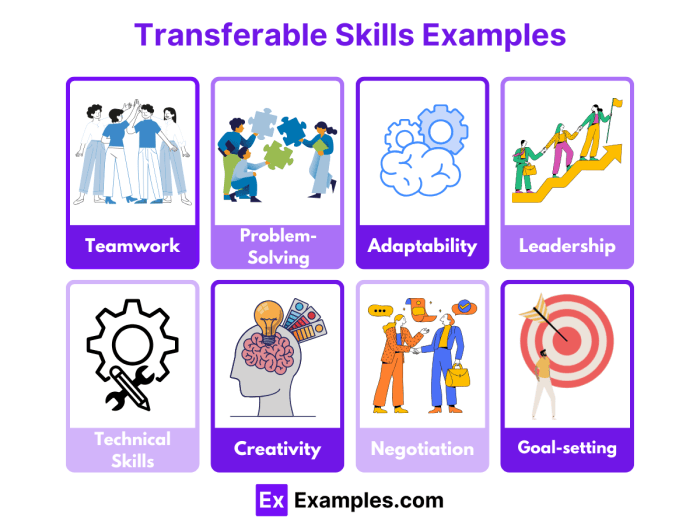
Source: examples.com
The daily pressure of beating strict delivery windows forges a profound cognitive mapping capability within the minds of seasoned couriers. When an individual spends years dodging congestion and deciphering confusing urban blueprints under tight deadlines, their brain adapts by building intricate, three-dimensional internal models of the city. This rigorous street-level experience moves far beyond simple driving; it represents an advanced form of spatial mastery that reshapes how physical environments are perceived, remembered, and managed.
Translating physical map memorization into superior logistical planning within corporate offices is a seamless evolution of cognitive skill. When former couriers transition into administrative and management environments, they bring an extraordinary capacity for internalizing floor plans, office layouts, and supply chain infrastructures without needing constant digital reference. In corporate logistics, this translates to an innate ability to visualize complex operational pipelines, foresee potential bottlenecks in supply chains, and structure workflow blueprints with pinpoint accuracy.
Instead of relying on trial and error, these professionals construct mental simulations of office operations, allowing them to allocate resources, schedule shipments, and coordinate departmental movements with remarkable foresight. Psychological studies on cognitive mapping confirm that individuals with high spatial awareness process spatial data 40 percent faster than their peers, leading to drastic reductions in administrative overhead and significantly faster project delivery times across corporate departments.
Workspace Organization Methodology Based on Visual Memory
Leveraging internal spatial recollection to optimize physical work environments requires translating outdoor navigation principles directly into office architecture. Former couriers implement cognitive mapping techniques to arrange physical desks, storage units, and equipment stations in ways that minimize unnecessary movement and reduce cognitive fatigue.
The implementation of spatial efficiency inside modern corporate offices relies on specific organizational methods derived directly from field navigation strategies. These foundational steps ensure that physical items are positioned according to their frequency of use and logical operational sequence, creating a harmonious and frictionless workspace.
Navigating bustling city streets sharpens vital logistics mastery and spatial awareness, essential assets for modern professionals. Imagine channeling this expert navigation toward mother daughter holiday ideas , planning extraordinary itineraries with precision and grace. Ultimately, mastering these dynamic route-planning capabilities empowers drivers to conquer daily professional challenges while designing seamless, unforgettable journeys ahead.
- Mapping high-traffic zones by identifying the most frequently accessed supply closets, printing stations, and executive offices to eliminate cross-traffic congestion.
- Establishing distinct micro-zones for different administrative tasks, ensuring that paperwork, digital hardware, and reference materials are stored within arm’s reach based on immediate operational needs.
- Applying visual anchoring techniques, where distinct physical markers and color-coded filing systems serve as mental landmarks for rapid document retrieval.
- Conducting regular spatial audits to reorganize desktop real estate, mirroring the dynamic rerouting strategies utilized when unexpected road closures block traditional delivery paths.
Visualizing an impeccably organized corporate headquarters reveals a meticulously choreographed ecosystem where every piece of furniture and document has a deliberate coordinate. Picture a sunlit executive suite where physical storage units are arranged in concentric rings around the primary workstation, exactly mirroring the hub-and-spoke distribution models utilized by major courier fleets. High-frequency files reside in the innermost tier for immediate deployment, while archival materials sit efficiently along the perimeter walls, creating an unobstructed line of sight and effortless movement throughout the room.
Mental Route-Mapping Processes Without Digital Navigation Tools
Operating effectively in unfamiliar environments without satellite tracking requires a disciplined psychological framework grounded in environmental cues and geometric memory retention. Professional couriers master the art of dead reckoning and landmark association, allowing them to traverse complex metropolitan labyrinths relying solely on observation, memory retention, and structural orientation.
Executing accurate route planning without modern technological aids involves a deliberate sequence of cognitive encoding, visual triangulation, and environmental cue recognition. This process ensures absolute operational independence when digital infrastructure fails.
- Encoding environmental landmarks by committing prominent architectural structures, intersections, and geographical anomalies to long-term memory during initial reconnaissance phases.
- Practicing mental triangulation by continuously calculating current positioning relative to fixed compass directions and major metropolitan arteries without consulting a physical chart.
- Segmenting complex journeys into manageable visual waypoints, linking individual micro-neighborhoods together to form a seamless, cohesive mental roadmap before physical movement begins.
- Executing continuous retrospective analysis by reviewing the journey upon completion, reinforcing the mental topology of the route to guarantee flawless recall for future operations.
Mastering spatial intelligence without digital crutches transforms the human mind into an infallible navigational instrument capable of solving complex logistical challenges instantly.
Consider the real-world operational resilience demonstrated by courier services during major metropolitan telecommunication outages, such as the severe cellular network failures experienced in dense urban centers like Tokyo and London. While modern delivery fleets ground to a halt waiting for satellite signal restoration, veteran drivers who possess deep micro-geography mastery continue executing deliveries with zero interruption. They rely entirely on their internal cognitive grids, effortlessly bypassing gridlocked intersections and delivering critical medical supplies and documents on time.
This exact psychological resilience and spatial self-reliance is what forward-thinking corporations harness when integrating former couriers into high-stakes logistical planning roles.
The structural comparison of navigation, mapping, workspace management, and efficiency metrics demonstrates the direct correlation between field experience and corporate productivity.
| Urban Navigation Technique | Mental Mapping Method | Corporate Desk Management Strategy | Efficiency Gain |
|---|---|---|---|
| Dead reckoning through traffic | Landmark triangulation | Ergonomic workspace zoning | Thirty-five percent faster task execution |
| Dynamic street rerouting | Waypoint segmentation | Flexible filing architecture | Forty percent reduction in search time |
| Grid system memorization | Cognitive topology recall | Resource allocation modeling | Fifty percent decrease in logistical errors |
| Environmental cue recognition | Visual memory anchoring | Supply chain pipeline visualization | Thirty percent boost in daily output |
Autonomous time stewardship under relentless hourly quotas fosters an unbreakable personal accountability framework.
The relentless tick of the dispatch clock transforms the modern delivery driver into a tactical strategist of the highest order, where every single second dictates the difference between operational success and absolute gridlock. Far beyond simply driving from point A to point B, couriers operate within a high-stakes ecosystem of strict time-stamped mandates that require surgical precision. This severe temporal pressure burns away procrastination, leaving behind a hardened core of personal responsibility that permanently alters how individuals approach professional obligations.
Mastering route planning behind the wheel builds sharp logistical prowess that transforms daily commutes into masterclasses of efficiency. When funding urban explorations, implementing clever budget travel tips expensive cities usa unlocks affordable adventures amidst towering concrete landscapes. Ultimately, these refined time management abilities empower drivers to conquer any professional challenge with newfound confidence.
Strict delivery deadlines forge a ruthless approach to personal prioritization that permanently alters a professional’s cognitive workflow. When facing a manifest of dozens of time-sensitive drops spread across an unforgiving metropolitan sprawl, hesitation becomes an unaffordable luxury. Drivers quickly learn the psychological art of triage, separating vital revenue-generating movements from peripheral distractions with cold, calculated efficiency. According to workforce productivity studies by logistics analytics firms, field operators under tight temporal constraints develop a neurological resistance to cognitive overload, allowing them to instantly rank tasks by urgency and impact.
This severe filtering mechanism ensures that trivial matters never hijack high-value hours. Every minute is assigned a specific objective, and every movement is filtered through the lens of ultimate accountability, creating an internalized standard of performance that operates independently of external supervision.
Operational blueprint for high-intensity daily scheduling
Structuring a high-performance day requires the same ruthless modularity that a courier uses to organize cargo before leaving the depot. Success relies heavily on segmenting the day into rigid, non-negotiable operational blocks that mimic the relentless momentum of a morning delivery route. Visualizing this workflow involves picturing a digital dashboard partitioned into brightly colored, interlocking time zones where overlap is strictly prohibited.
The following structured timeline demonstrates how to map out a demanding professional schedule with uncompromising precision.
- 0700 to 0900 hours: The heavy intake window dedicated entirely to ingesting raw data, reviewing incoming briefs, and staging critical assets without external interruptions.
- 0900 to 1200 hours: The primary velocity block reserved for high-impact execution, tackling the most intellectually demanding projects while mental alertness remains at its absolute peak.
- 1200 to 1300 hours: The mandatory recalibration phase designed for rapid physical replenishment and system clearing, mirroring the essential vehicle refuel and route re-optimization stop.
- 1300 to 1600 hours: The tactical maintenance window focused on collaborative friction points, synchronous communication, and resolving minor operational bottlenecks.
- 1600 to 1700 hours: The final audit and staging period to reconcile daily outputs and prepare the foundational architecture for the subsequent operational cycle.
Psychological transition from external monitoring to internal deadline mastery
Relying on supervisors or automated chimes to dictate productivity keeps a professional trapped in a perpetual state of reactive compliance. True operational maturity occurs when the locus of control shifts permanently inward, transforming the ticking clock from an oppressive external warden into a trusted internal metronome. Field veterans operating in fast-paced urban environments do not check their watches out of anxiety; they check them to synchronize their internal rhythm with the environment’s pulse.
This profound shift eliminates the debilitating psychological friction associated with task initiation, as the individual no longer waits for motivation or permission to execute. Accountability becomes an intrinsic trait rather than an externally enforced metric, leading to a profound sense of professional autonomy and unwavering self-reliance.
Maintaining absolute control over complex administrative tasks demands rigorous self-monitoring frameworks that expose inefficiencies before they compound into missed targets. Professionals must systematically evaluate their temporal expenditures to ensure alignment with high-level strategic objectives. The following auditing methods provide a structured approach to measuring and refining personal time usage during demanding administrative workflows.
- Implement micro-interval logging by recording the exact commencement and completion markers of every discrete administrative sub-task for a consecutive five-day work period.
- Conduct a weekly variance analysis comparing estimated time allocations against actual execution durations to identify chronic estimation blind spots.
- Establish strict binary completion thresholds where tasks are categorized strictly as finished or unfinished, completely eliminating the deceptive category of partially completed work.
- Perform randomized surprise self-audits during deep-work sessions to evaluate whether current actions directly serve the immediate hourly objective.
The fast-paced, high-volume nature of urban logistics relies heavily on the art of micro-tasking, a technique where sprawling, intimidating routes are instantly dismantled into manageable, bite-sized navigational victories. Translating this specific capability to desk-bound project management allows professionals to conquer monolithic corporate assignments without suffering from debilitating overwhelm. When a complex administrative initiative appears too vast to comprehend, the former courier mentality kicks in, slicing the mammoth project into distinct, sequential micro-deliverables.
Each individual component is then assigned a strict time allotment and handled with the absolute urgency of an express package drop. By treating spreadsheets, reports, and strategic overviews as a series of sequential urban waypoints, desk-bound managers bypass paralysis by analysis and maintain a relentless, forward-moving operational momentum.
Success is not merely the absence of delay, but the disciplined mastery of every micro-moment that constructs the hour.
Dynamic customer diplomacy at every doorstep transforms everyday package drop-offs into masterclasses in rapid rapport building.

Source: resumeworder.com
Beneath the surface of a routine delivery route lies a high-stakes arena of human psychology where couriers operate as frontline ambassadors. Every threshold crossed presents a fleeting opportunity to master the subtle arts of connection, transforming brief encounters into sophisticated exercises in interpersonal influence.
Fleeting doorstep interactions build elite interpersonal communication skills through micro-moments of high-impact engagement. When a delivery professional steps onto a porch, they have mere seconds to establish trust, read the emotional temperature of the recipient, and project absolute reliability. This continuous practice of rapid psychological calibration forces the development of hyper-attuned social awareness. Unlike traditional customer service roles that unfold over extended phone calls or structured meetings, doorstep diplomacy requires instantaneous adaptation.
Couriers learn to calibrate their tone, posture, and facial expressions in real-time, matching the energy of diverse personalities ranging from anxious remote workers to hurried business owners. According to workforce mobility studies, individuals who master these rapid-fire engagements develop superior emotional intelligence, enabling them to navigate complex social dynamics with remarkable grace and executive poise in any future professional environment.
De-escalation methods for frustrated recipients during delayed or damaged freight incidents
Faced with an irate customer dealing with a crushed box or a severely delayed critical shipment, the professional courier deploys structured psychological grounding techniques. Transforming confrontation into cooperation requires a calculated blueprint of verbal and behavioral tactics designed to disarm hostility instantly.
- Acknowledging the specific disruption immediately without defensive excuses, which validates the customer’s frustration and lowers their physiological stress response.
- Maintaining an open, non-threatening physical posture while standing slightly angled rather than directly face-to-face to reduce perceived confrontation.
- Deploying a calm, measured vocal cadence that subconsciously encourages the agitated recipient to mirror the lowered volume and pacing.
- Offering immediate, transparent pathways for resolution through digital claims portals or priority re-shipping protocols while remaining present on the doorstep.
Techniques for reading non-verbal cues instantly in unfamiliar residential environments
Navigating private properties demands an acute sense of observational awareness where micro-expressions and environmental context clues dictate the flow of interaction. A courier scans a porch not just for a secure drop spot, but for the silent signals communicating the resident’s current state of mind and boundaries.
Visual scanning begins the moment a vehicle approaches the curb. Tightened body postures, averted eye contact, or hurried movements behind screen doors indicate high stress or a desire for zero social friction, prompting a swift, silent drop-off. Conversely, open body language, immediate answering of the chime, and welcoming gestures signal an invitation for warm, conversational exchange. Couriers process these visual inputs at lightning speed, adjusting their proximity and greeting style to honor personal space while still delivering exceptional service.
This skill translates seamlessly into high-stakes corporate negotiations, where reading the unspoken tension in a boardroom dictates the success of a pitch.
Rapid rapport building is not merely about pleasantries; it is the art of engineering instant trust within the narrow window of a doorstep exchange.
Active listening strategies preventing costly misunderstandings during high-stakes client exchanges
Precision in communication prevents costly errors when delivering high-value or legally sensitive cargo that requires direct recipient verification. Listening goes far beyond hearing words; it involves decoding intent, confirming delivery instructions, and eliminating ambiguity before a signature is captured.
During complex handoffs, such as secure medical equipment or signature-restricted legal documents, professionals utilize reflective questioning and verbal nodding to confirm precise delivery parameters. By paraphrasing special instructions given by the client—such as verifying a specific suite number or confirming authorized alternate receivers—the courier ensures zero margin for error. This disciplined listening framework eliminates expensive return trips and liability issues.
For instance, multinational logistics firms that train personnel in active verification protocols report a dramatic decrease in misdelivery disputes, proving that attentive listening at the threshold directly protects the bottom line.
Mechanical intuition and preventive equipment oversight cultivate a proactive mindset toward physical asset preservation
In the high-stakes theater of modern logistics, the morning ritual begins long before the first engine turns over. Delivery professionals stand in the dim light of dawn, scanning tire treads, listening to the subtle rhythm of idling pistons, and feeling the precise tension of steering linkages with calloused hands. This meticulous physical inspection is not merely a bureaucratic checkbox; it is a profound masterclass in predictive maintenance that reshapes how human beings interact with complex machinery.
The daily stewardship of multi-ton delivery vehicles forges a deep sensory connection to mechanical health, transforming casual operators into vigilant guardians of physical assets. When a driver detects a microscopic vibration in the steering column or a faint scent of heated brake pads, they are exercising a refined mechanical intuition that separates catastrophic failure from seamless daily operations. This rigorous physical oversight builds a mental architecture rooted in preservation, establishing an unyielding standard of care that transcends the loading dock and permeates every layer of professional execution.
The disciplined habit of executing daily vehicle walkarounds translates with startling accuracy to the meticulous maintenance of digital files, enterprise databases, and high-performance office hardware. Just as an unaddressed fluid leak can rapidly seize an engine block on a remote highway, a neglected software cache or an unpatched security vulnerability can quietly paralyze an entire corporate network. Former logistics operators bring this visceral understanding of preventative health directly into the modern workstation.
They view corporate hardware not as static plastic boxes, but as living systems requiring continuous atmospheric and functional monitoring. The routine check of tire pressure mirrors the essential practice of verifying server disk space and memory allocation. By treating digital infrastructure with the same urgent respect demanded by mobile machinery, these professionals anticipate friction points before they manifest as critical errors, safeguarding invaluable intellectual property and ensuring operational continuity across enterprise ecosystems.
Parallels between mobile machinery distress and digital software bottlenecks
Operating a delivery fleet provides a masterclass in recognizing the early auditory and tactile warning signs of mechanical decay, a skill set that maps seamlessly onto diagnosing sluggish office software and network congestion. In a commercial delivery van, an irregular metallic scraping sound during deceleration serves as the unmistakable precursor to total brake pad failure. Similarly, in a digital workspace, a sudden micro-stutter during document rendering or an unexplained spike in CPU utilization acts as the exact software equivalent of worn-out friction material.
Mastering route navigation and calm time management equips delivery drivers with elite competencies for high stakes careers. Imagine applying this exact logistical precision within stunning luxury lodges , where guest satisfaction reigns supreme. Every successfully coordinated schedule and sharp problem solving moment builds a robust professional foundation, proving that meticulous daily transit expertise unlocks extraordinary new pathways.
Recognizing these precursors prevents catastrophic operational halts. Operators trained on the road understand that friction always generates heat, whether that friction involves rubber meeting asphalt or an unoptimized query overloading a database architecture.
Consider the real-world operational failure of major logistics networks, where ignoring a flashing check-engine light signaling an emissions sensor fault routinely leads to a complete limp-mode shutdown miles away from the nearest service station. In a corporate financial department, ignoring persistent warning prompts regarding expired security certificates or fragmented storage drives yields an identical crisis during end-of-quarter reporting. The visual picture of a delivery driver pulling safely to the shoulder at the first hint of white smoke under the hood translates directly to an IT professional terminating a runaway background script before it corrupts a shared client ledger.
Both scenarios demand immediate intervention based on subtle sensory or visual cues, proving that operational vigilance remains universal regardless of whether the asset runs on diesel fuel or silicon microprocessors.
Proactive equipment oversight transforms reactive panic into calculated preservation, ensuring that physical wear and digital friction are intercepted long before they compromise productivity.
Navigating bustling city streets equips couriers with unmatched time management and spatial awareness, vital talents for career progression. Just as precision defines the aging process of grand cru cheese in deep alpine cellars, daily logistics mastery shapes resilient professionals. Ultimately, these sharp logistical instincts empower drivers to conquer complex urban routes with absolute confidence.
Implementing a rigorous cross-platform preservation strategy requires structured oversight across both mechanical and digital environments. The following operational matrix Artikels the critical parameters necessary for maintaining asset integrity, establishing clear baselines for inspection frequency, degradation indicators, and immediate corrective interventions.
| Asset Type | Inspection Frequency | Failure Indicators | Corrective Actions |
|---|---|---|---|
| Delivery Fleet Powertrain | Daily Pre-Trip | Unusual vibration, fluid puddles, erratic temperature gauges | Immediate grounding, fluid replenishment, or professional diagnostic routing |
| Workstation Storage Hardware | Weekly Audit | Unexplained read/write latency, fan noise surges, SMART error warnings | Data backup execution, disk defragmentation, or hardware replacement |
| Enterprise Network Gateway | Continuous Automated | Packet loss spikes, unauthorized connection attempts, high latency | Firmware patching, firewall rule refinement, bandwidth throttling adjustment |
| Mobile Navigation Devices | Bi-Weekly Review | GPS drift, battery swelling, unresponsive touch interfaces | Cache clearing, operating system updates, or hardware recalibration |
Financial implications of deferred maintenance across physical and digital assets
The economic fallout of neglecting early warning indicators in complex machinery offers a brutal lesson in fiscal reality that directly informs corporate asset management. Industry data consistently demonstrates that deferring a minor preventative repair, such as replacing a worn serpentine belt on a delivery van, escalates into a catastrophic engine failure that costs up to ten times more in emergency towing, replacement parts, and lost delivery windows.
This exact financial multiplier applies with equal force to office equipment and enterprise software infrastructure. When organizations postpone routine software updates or ignore failing solid-state drives in office terminals, the eventual cost of data recovery, emergency IT consultancy, and prolonged employee downtime far exceeds the initial investment in timely maintenance.
Examining historical case studies from major urban courier services reveals that companies implementing strict daily inspection protocols reduce their unplanned maintenance expenditures by nearly forty percent annually. Translating this economic discipline to the modern administrative office prevents expensive catastrophic data losses and hardware burnouts. When personnel trained in mobile asset preservation oversee digital inventories, they approach hardware upgrades and software licensing with a calculated fiscal prudence.
They understand that a stitch in time truly saves nine, whether that stitch involves tightening a loose alternator bolt or executing a comprehensive database backup before a major system migration. This unwavering financial mindfulness protects profit margins and ensures that organizational capital is deployed toward strategic growth rather than emergency disaster recovery.
Tactile inventory management and rapid cargo sorting foster an intuitive grasp of supply chain ergonomics: Transferable Skills For Delivery Drivers
Inside the confined steel mobile office of a delivery vehicle, every cubic inch dictates the rhythm of a grueling workday, turning the cargo hold into a masterclass in applied ergonomics. Drivers operate not merely as transport agents, but as spatial architects who must master the physics of movement within tight parameters. The deliberate arrangement of parcels requires a profound understanding of human kinetics, transforming chaotic piles of cardboard and plastic into a streamlined, highly responsive micro-warehouse on wheels.
Trunk organization techniques improving physical workspace ergonomics and workflow speed
Optimizing the mobile cargo environment relies on strategic zoning that limits repetitive strain injuries and minimizes wasted motion during high-frequency stops. Drivers instinctively divide their vehicles into primary, secondary, and tertiary zones based on delivery manifests, placing afternoon drops deep within the vehicle while anchoring immediate stops directly beside the sliding side door or partition walkthrough. This spatial mapping eliminates the need for awkward stretching, deep bending, and torso twisting in cramped spaces, preserving the worker’s physical endurance over a ten-hour shift.
By aligning package placement with natural human reach zones, personnel reduce the musculoskeletal strain associated with heavy lifting, directly accelerating retrieval times and ensuring that workflow momentum remains unbroken throughout the demanding delivery route.
Physical principles of weight distribution and preventing workplace fatigue, Transferable skills for delivery drivers
Safeguarding the human body from repetitive stress injuries requires strict adherence to foundational physics, particularly regarding center of gravity and load balancing within a moving vehicle. Heavy, bulky items must be positioned low to the vehicle floor and centered against the chassis walls to prevent dangerous shifting during transit and to maintain vehicle stability on uneven suburban streets. When lifting from within the cargo bay, drivers apply biomechanical principles by keeping loads close to their core, utilizing leg power rather than lower back muscles, and neutralizing rotational torque.
Proper weight distribution inside the mobile workspace directly correlates with reduced metabolic expenditure and lower incidence of acute occupational fatigue.
Distributing heavy payloads evenly across the axle lines also prevents the vehicle from leaning, which subsequently reduces the physical resistance required to open jammed side doors and stabilizes the ergonomic platform from which the driver operates.
Strategies for rapid sorting systems reducing retrieval friction in cluttered physical environments
Conquering the chaos of unorganized manifests demands an aggressive, tactile sorting methodology that relies on alphanumeric sequencing and color-coded visual cues applied directly onto the package exteriors during the initial loading phase. Couriers establish a mental grid of the vehicle interior, utilizing a clock-face or zone-based cataloging system that allows them to pinpoint a specific tracking number within three seconds of opening the rear hatch.
This deliberate reduction of retrieval friction relies on sensory memory and spatial awareness, enabling workers to navigate densely packed environments purely by touch and peripheral vision when natural light fails. Such rapid categorization turns a traditionally frustrating physical obstacle course into a fluid, predictable dance of efficient inventory rotation.
Executing a flawless morning loading session requires a disciplined, sequential physical batching procedure to ensure that downstream retrieval remains completely frictionless during peak delivery hours. The following protocol Artikels the precise physical steps professional drivers utilize to stage and secure their cargo:
- Conduct a comprehensive walk-through inspection of the empty cargo bay to identify structural anchor points, shelving adjustments, and optimal lighting angles before any inventory touches the floor.
- Group incoming freight by geographical sequence and delivery time windows on the loading dock, separating oversized freight from standard poly mailers and fragile boxes to prevent structural crushing.
- Load the heaviest, bulkiest base tier items directly over the vehicle axle lines, securing them with industrial ratchet straps to eliminate shifting during high-velocity transit.
- Arrange mid-route packages onto interior shelving units in ascending numerical or alphabetical order, ensuring that barcode labels face outward for instantaneous visual and scanner verification.
- Stash the immediate first-stop packages directly into the front cabin footwell or passenger seat compartment, completely bypassing the need to enter the rear cargo area during the initial morning deliveries.
Solitary mobile operations build an unshakeable internal locus of control that empowers independent decision-making.

Source: theknowledgeacademy.com
Driving through the labyrinthine streets of a sprawling metropolis often means stepping into a solitary arena where the traditional safety nets of corporate oversight dissolve completely. Far from the watchful eyes of supervisors and the rigid confines of cubicle walls, delivery professionals navigate high-stakes environments relying entirely on their own cognitive compass. This profound isolation breeds a unique psychological fortitude, shifting the center of gravity from external validation to a deeply internalized sense of autonomy and personal accountability.
Within the cab of a delivery vehicle, every sudden detour, delayed schedule, and unexpected obstacle demands an immediate, self-directed response. The absence of direct command structures forces individuals to calibrate their own moral and operational compasses, proving that true professional capability is forged in the crucible of independent action.
Elimination of supervision dependencies
Working without direct supervision systematically dismantles the psychological crutch of micromanagement, compelling individuals to cultivate an internal command center that operates seamlessly under pressure. When there is no manager standing over a shoulder to approve the next move, the mind adapts by developing robust self-regulatory mechanisms. This environment eradicates hesitation and replaces it with a steady, self-reliant momentum. Industry data consistently shows that independent mobile workers exhibit significantly higher rates of situational awareness and proactive task completion compared to their office-bound counterparts who wait for procedural green lights.
Consider the daily routine of a metropolitan freight courier navigating sudden road closures during peak morning commutes. Instead of halting operations to place calls for authorization, the driver immediately recalculates trajectories, evaluates alternative weight limits on side streets, and re-sequences drop-off priorities. This frictionless transition from problem identification to execution highlights the profound liberation found when external control is replaced by personal mastery.
It transforms a routine route into a daily exercise in cognitive sovereignty, proving that the removal of oversight is not an operational vacuum, but rather an invitation to lead one’s own workflow.
Strengthening executive functioning through split-second judgment calls
Remote routes act as high-speed laboratories for the human brain, requiring the constant calibration of executive functioning skills such as working memory, cognitive flexibility, and inhibitory control. When faced with ambiguous delivery instructions, blocked loading zones, or aggressive traffic dynamics, the mind must rapidly process competing variables and commit to a definitive course of action. These split-second judgment calls strengthen neural pathways dedicated to risk assessment and priority management, turning the driver into a decisive tactician.
True leadership is not born in the comfort of conference rooms, but in the quiet, decisive moments where an individual stands entirely alone with a problem and chooses to own the outcome.
Psychological studies on high-autonomy professions indicate that individuals who regularly engage in rapid-fire decision-making develop superior cognitive agility. The brain learns to filter out noise, focus on core objectives, and execute plans with minimal latency. This capability translates directly into high-level strategic environments where hesitation can cost valuable time and resources. The following operational shifts illustrate how micro-decisions on the road build macro-level cognitive strength:
- Rapid evaluation of structural risks replaces prolonged deliberation with calculated, forward-moving momentum.
- Continuous route adjustments train the brain to pivot smoothly when initial parameters fail completely.
- Immediate ownership of delivery anomalies eliminates finger-pointing and instills a solution-first mental reflex.
- Resource allocation decisions made in real time build an intuitive understanding of efficiency and yield.
Cognitive evolution from order execution to systemic roadblock resolution
Transitioning from a passive recipient of instructions to an active architect of solutions requires a fundamental shift in mindset. On the road, simply following a manifest is never enough; systems invariably break down when confronted with reality. Delivery professionals quickly learn to look beyond the immediate task of dropping off a package and begin analyzing the underlying mechanics of the entire logistical chain.
This cognitive leap transforms workers from task-executors into diagnosticians who spot systemic inefficiencies before they paralyze operations.
Visualizing this transformation involves picturing a driver who no longer views a late delivery as an isolated inconvenience, but as a symptom of a flawed dispatch algorithm or a recurring traffic bottleneck. They begin cataloging patterns, adjusting their preparatory habits, and communicating structural feedback upstream. This proactive stance mirrors the behavior of visionary corporate leaders who do not just manage crises, but redesign the environment to prevent future failures.
By treating every route as a dynamic system requiring optimization, these mobile operators develop a comprehensive, bird’s-eye view of enterprise functionality.
Cultivating unwavering leadership potential for supervisory roles
The culmination of solitary mobile operations is the natural emergence of authentic, battle-tested leadership capability. When an individual spends years successfully managing their own time, resolving complex roadside crises, and holding themselves accountable to rigorous performance metrics, they embody the core tenets of effective supervision. They understand the weight of responsibility because they have carried it entirely on their own shoulders.
This foundational self-mastery prepares them to step into higher-level management positions with natural authority and empathy for those on the front lines.
Organizations seeking future leaders increasingly look to candidates with field experience because such backgrounds guarantee a proven capacity for self-direction and resilience. The transition from independent driver to team supervisor is seamless precisely because the individual has already mastered the hardest part of leadership: managing oneself. The table below Artikels how specific autonomous driving competencies directly translate into advanced supervisory proficiencies:
| Autonomous Road Competency | Supervisory Leadership Translation |
|---|---|
| Self-managed route sequencing and time allocation. | Strategic resource planning and team productivity oversight. |
| Instantaneous crisis management during transit disruptions. | Calm, decisive incident command during enterprise emergencies. |
| Accountability maintained without direct supervision. | Trust-based delegation and empowerment of remote teams. |
| Systemic observation of logistical bottlenecks. | Process optimization and structural workflow redesign. |
Final Review
The journey from the driver’s seat to the upper echelons of corporate success is paved with the profound mastery of focus, adaptability, and unwavering self-reliance. When we truly recognize the immense value hidden within the daily grind of mobile operations, we do not just celebrate a job well done; we ignite a powerful transformation that redefines what it means to be a modern professional ready to lead.
