assertive vs aggressive sets the stage for this enthralling narrative, offering readers a glimpse into a story that is rich in detail and brimming with originality from the outset. Beneath the surface of every daily exchange lies a silent architecture of human connection, where the subtle boundary separating steady confidence from forceful domination dictates the health of our relationships.
Recent developments in communication studies reveal that navigating these delicate thresholds requires much more than mere willpower; it demands a profound awakening to our emotional triggers, neurological responses, and historical patterns. As we examine the intricate dynamics of how we stand our ground without encroaching upon the psychological space of others, a clearer path forward begins to emerge, illuminating the transformative power of self-governing presence.
Understanding the fundamental boundary dynamics separating speaking up respectfully from dominating others requires mapping out personal communication footprints.

Source: collidu.com
Every daily interaction relies on an invisible architecture of personal boundaries where human connection is continuously shaped by the subtle mechanics of voice, posture, and neurological response. Navigating the delicate space between holding one’s ground and overpowering an interlocutor demands a deliberate charting of individual communication patterns. When individuals trace their verbal footprints, they uncover the precise moments where constructive exchange transforms into friction, revealing the profound difference between honoring one’s own truth and infringing upon the autonomy of others.
While finding the boundary between standing firm and stepping over others is crucial, mastering your voice requires precision, so learning how to be more articulate illuminates your path forward. When every spoken syllable paints a vivid picture of unwavering confidence, destructive dominance fades away, leaving behind the powerful grace of respectful strength that commands genuine attention.
The transition from a state of tranquil dialogue into hostile territory is governed by intricate neurological cascades and emotional triggers rooted deep within the limbic system. When an individual perceives a threat to their ego, values, or safety—even in the context of a verbal disagreement—the amygdala sounds an internal alarm, swiftly bypassing the rational prefrontal cortex. This physiological hijacking triggers a fight-or-flight response, flooding the bloodstream with cortisol and adrenaline.
Heart rates accelerate, breathing becomes shallow, and the brain prepares for physical combat rather than verbal collaboration. Emotionally, this manifests as a sudden surge of defensiveness, where the objective of the exchange shifts from mutual understanding to winning or self-preservation. Recognizing these internal somatic shifts is the critical first step in interrupting the cycle of hostility before it breaks the conversational bond.
Mastering the vital shift from aggressive domination to clear, respectful boundaries empowers your voice with unwavering professional grace. As you navigate these essential communication breakthroughs against a gleaming backdrop of urban exploration, conquering your ultimate chicago bucket list provides the perfect arena to practice bold confidence. Ultimately, standing firm without crushing others unlocks true leadership and lasting personal triumph.
Neurological Mechanisms and Emotional Triggers Driving Conversational Hostility
Understanding the internal landscape of conflict requires examining how psychological triggers translate into aggressive vocal and behavioral outputs. The following key elements illustrate the internal progression from calm engagement to forceful dominance:
- Amygdala activation initiates a rapid survival sequence, diminishing empathetic capacity and narrowing cognitive focus exclusively to perceived threats.
- Cognitive narrowing blinds speakers to nuance, leading to rigid black-and-white thinking that dismisses alternative viewpoints as personal attacks.
- Unresolved historical grievances often project onto current harmless dialogues, amplifying emotional reactivity far beyond the scope of the immediate topic.
- Adrenaline surges compel rapid, interruptive speech patterns as the nervous system frantically seeks to control the narrative and secure immediate validation.
Foundational Philosophies of Psychological Sovereignty
Anchoring oneself in productive dialogue requires adherence to philosophies that prioritize mutual psychological sovereignty over coercive dominance. This approach rests on the core tenet that an individual’s rights end precisely where another person’s boundaries begin. By embracing the principle of non-violent communication and relational equity, speakers learn to articulate their needs with absolute clarity while leaving ample breathing room for the listener’s perspective.
Holding ground firmly does not necessitate the construction of impenetrable walls or the deployment of verbal weapons; instead, it involves cultivating a resilient internal anchor. This philosophical stance views dialogue not as a battlefield where one party conquers the other, but as a shared ecosystem where two distinct realities coexist, negotiate, and seek harmonious alignment without resorting to psychological annexation.
True strength in communication is measured not by the force used to push others away, but by the unwavering grace with which one maintains their ground.
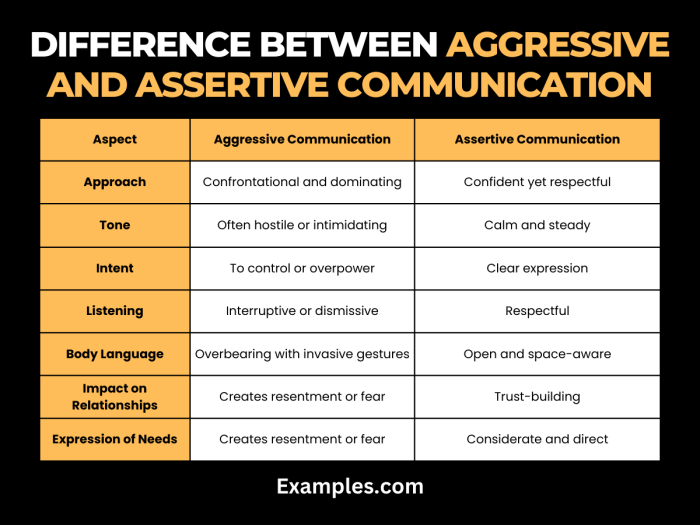
To clearly distinguish between the mechanics of self-respecting expression and forceful coercion, the following structured comparison details the distinct behavioral footprints associated with each approach across four essential dimensions.
While assertive communication builds bridges, aggression burns them down entirely in today’s fast-paced corporate arena. Navigating this delicate daily balance requires anchoring oneself firmly in core professional values that elevate integrity and mutual respect. Ultimately, mastering the art of speaking up with unwavering confidence rather than hostility transforms workplace conflicts into powerful opportunities for lasting growth.
| Communication Dimension | Self-Respecting Expression | Forceful Coercion | Behavioral Impact on Dialogue |
|---|---|---|---|
| Vocal Tone | Calm, resonant, steady pacing with controlled pitch and intentional pauses. | Loud, sharp, rapid, or intentionally intimidating with fluctuating inflection. | Self-respect invites receptive listening, whereas coercion provokes immediate defensive posturing. |
| Body Posture | Grounded, open torso, relaxed shoulders, and balanced weight distribution. | Leaning aggressively forward, invading personal space, or rigid tension. | Open posture fosters psychological safety; encroaching posture signals a territorial threat. |
| Listening Habits | Active reception, reflective pauses, and genuine curiosity toward the other’s view. | Selective hearing, interrupting, and formulating rebuttals while the other speaks. | Respectful listening validates the partner; coercion reduces dialogue to a competitive monologue. |
| Emotional Regulation | Rooted emotional stability, self-soothing under pressure, and responsive choice. | High reactivity, emotional impulsivity, and attempts to induce guilt or fear. | Regulation keeps the interaction collaborative; emotional volatility shatters trust and connection. |
Visual Metaphor of Balanced Personal Fortitude
Envision a magnificent, centuries-old coastal pine tree rooted firmly in a rocky cliffside, facing a relentless, howling gale sweeping in from the open sea. As heavy gusts crash against its trunk, the tree does not lurch aggressively forward into the wind as if to physically punch the storm, nor does it collapse backward in submission, splintering against the earth. Instead, its deep, unseen roots grip the subterranean stone with absolute, unyielding integrity, while its flexible branches sway in fluid synchronization with the atmospheric pressure.
The trunk remains centered on its vertical axis, absorbing the immense kinetic energy of the wind and neutralizing it through quiet, balanced resilience. This vivid imagery mirrors the ideal communication posture: an individual standing entirely firm in their personal truths and boundaries, absorbing the turbulent winds of disagreement with poise, neither attacking the storm nor yielding their foundational stance.
Recognizing hidden micro-expressions and subtle verbal cues helps unmask the invisible boundary where confidence crosses over into hostility.

Source: thepleasantmind.com
Navigating the delicate architecture of professional discourse requires an acute awareness of the invisible tripwires that transform executive presence into an atmosphere of intimidation. Beneath the surface of polished corporate boardrooms and fast-paced digital meetings, minor shifts in posture and vocabulary often dictate whether a dialogue fosters innovation or breeds resentment. Observers in organizational psychology note that the descent from productive assertiveness to abrasive dominance rarely happens through dramatic outbursts.
Instead, it unfolds through a slow accumulation of microscopic territorial markers that quietly shut down psychological safety and collaborative problem-solving.
Communication footprints expand or contract based on an individual’s internal state, often betraying a desperate need for control masked as decisive leadership. When professionals lose their grip on an evolving project narrative, their physiology immediately reacts, translating abstract anxiety into rigid physical manifestations. Recognizing these subtle transitions allows individuals to course-correct before their communication style alienates the very teams they rely on for success.
Mastering this delicate equilibrium demands rigorous self-monitoring and a willingness to dismantle ingrained conversational habits that prioritize winning an argument over collective progress.
Linguistic markers and physical gestures in collaborative problem-solving
Language acts as the primary architecture of workplace culture, yet it frequently serves as a weapon of exclusion through the deployment of subtle linguistic absolutes. Words such as always, never, everyone, and impossible function as conversational dead ends, effectively erasing nuance and painting colleagues into corners where defense becomes their only viable option. When a project lead declares that a team always misses deadlines, they are not merely addressing a scheduling delay; they are issuing an unyielding indictment of character that halts creative troubleshooting.
Such absolute statements trigger a defensive neurological response, shifting the listener’s focus away from the operational issue at hand and redirecting it toward self-preservation and emotional shielding.
Accompanying these rigid verbal patterns are physical micro-gestures, most notably finger-pointing and aggressive postural leaning, which visually reinforce verbal dominance. Pointing a finger across a conference table acts as a primal territorial display, instantly shifting the dynamic from a peer-to-peer exchange of ideas to an adversarial interrogation. This kinetic aggression forces the recipient to narrow their cognitive bandwidth, dedicating precious mental energy to managing the visual threat rather than processing strategic insights.
Furthermore, sweeping hand gestures that cut through the air like blades physically dismiss opposing viewpoints before they can be fully articulated. Collaborative problem-solving requires an expansive, open environment, but the inclusion of these absolute declarations and hostile gestures creates an invisible cage of compliance, suffocating the diverse perspectives essential for robust innovation and sustainable organizational growth.
Hostility rarely begins with a shout; it often takes root in the finality of an absolute statement and the rigid arc of a pointing finger.
Systematic self-audit procedures for daily conversational habits, Assertive vs aggressive
Uncovering unconscious patterns of steamrolling requires a deliberate, methodical approach to analyzing daily interactions long after the meeting has adjourned. Professionals committed to fostering an inclusive communication climate must actively track their linguistic footprint by implementing structured journaling and behavioral tracking mechanisms. Without a systematic review process, the natural human tendency toward self-justification will continuously blind individuals to the collateral damage they leave in the wake of their ambition.
Implementing a daily conversation audit involves evaluating specific operational metrics from recent meetings to ensure balanced participation and respectful dialogue. The following structured steps provide a reliable framework for detecting early signs of conversational dominance before they escalate into systemic hostility.
- Record a minimum of two collaborative sessions per week using audio or video tools, focusing specifically on instances where speaking turns overlapped or interrupted a colleague’s thought process.
- Calculate the conversational ratio by tracking the duration of spoken contributions versus active listening periods, ensuring that listening time occupies at least sixty percent of total engagement.
- Review written communications, including emails and instant messaging threads, searching specifically for definitive adverbs like clearly, obviously, and undoubtedly that invalidate alternative viewpoints.
- Establish a trusted feedback channel with a peer mentor who holds permission to signal real-time physical cues whenever defensive body language or overbearing postures emerge.
Comparative analysis of workplace communication dynamics
Every professional interaction presents a choice point where communication can either bridge divergent views or widen operational divides. The following matrix Artikels common high-pressure scenarios, mapping the immediate defensive reflex against the resulting hostile reaction and the corresponding balanced alternative response.
| Workplace Scenario | Immediate Verbal Reflex | Hostile Reaction Provoked | Balanced Alternative Response |
|---|---|---|---|
| Budget variance discovered during a critical project review | “This is a massive oversight that completely derails our timeline.” | Team members feel personally attacked, leading to finger-pointing and hidden errors. | “We have encountered a significant variance; let us review the data together to recalibrate our next steps.” |
| A colleague challenges a proposed technical architecture | “That approach has already failed, and pursuing it is a waste of time.” | The challenger withdraws from future discussions out of fear of public humiliation. | “I appreciate that perspective. Let us weigh the historical risks against the potential benefits of that method.” |
| Cross-functional team misses a major deliverable deadline | “Nobody is taking accountability for keeping this initiative on track.” | Defensiveness spikes across departments, destroying inter-team trust and cooperation. | “Let us examine the systemic bottlenecks that prevented us from crossing the finish line on schedule.” |
| Client requests a sudden shift in project scope | “That is completely unreasonable and shows a total lack of understanding.” | The client hardens their stance, demanding rigid adherence to contract terms. | “That is a notable shift in direction. Let us evaluate how this impacts our current resource allocation.” |
Somatic manifestation of feeling misunderstood
The internal somatic experience of feeling deeply misunderstood often registers within the human body long before the rational mind can formulate a measured response. When a well-articulated idea is dismissed or misinterpreted by a peer, the nervous system instantly interprets this cognitive disconnect as a direct threat to survival and status. A sudden constriction in the chest, a tightening of the vocal cords, and a surge of thermal energy rushing toward the face signal the activation of the sympathetic nervous system.
This physiological state of arousal creates an intense, visceral urge to reclaim lost control over the narrative by artificially inflating one’s vocal volume and accelerating the pace of speech.
Visualizing this moment reveals a tight psychological knot where passion and frustration violently collide within the individual. The physical body braces as if preparing for physical combat, shoulders elevate toward the ears, and the jaw clamps shut to force the next sentence out with maximum velocity. Raising one’s volume in this heated state feels instinctively like a mechanism to restore authority, yet it invariably acts as a wrecking ball to the remaining remnants of psychological safety in the room.
The louder voice reverberates not as a symbol of strength, but as a clear biological indicator of emotional dysregulation and lost composure. Recognizing these internal somatic signals before they manifest outwardly allows an individual to pause, take a deliberate diaphragmatic breath, and choose a grounded, resonant tone that commands respect through stability rather than force.
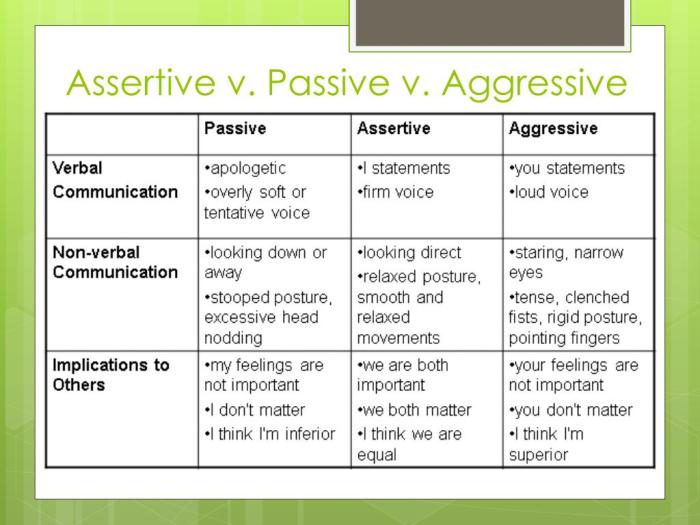
Navigating high-stakes negotiations demands mastery over emotional friction to ensure mutual respect remains intact throughout the discussion.: Assertive Vs Aggressive
Source: slideserve.com
Picture the fluorescent lights of a corporate boardroom humming with suppressed tension as numbers flash across a glowing projector screen. Every word carries the weight of a heavy anchor, and the invisible line separating professional resolve from volatile confrontation begins to blur under the crushing pressure of conflicting interests. Mastering this delicate equilibrium requires a profound understanding of human psychology, where maintaining your composure is not merely a polite choice, but a strategic imperative that shields your boundaries from encroaching aggression.
When an interlocutor reacts to clearly established boundaries with sudden hostility, the human brain undergoes a rapid neurochemical shift, triggering the amygdala and overriding the prefrontal cortex with a classic fight-or-flight response. Understanding the psychological mechanisms of de-escalation during these volatile moments requires recognizing that the aggressor is operating from an emotional deficit rather than rational logic. By deliberately lowering your speaking tempo, you engage the mirror neurons of your counterpart, subtly signaling safety and inviting their nervous system to recalibrate alongside yours.
Tactical empathy acts as an immediate psychological circuit-breaker, validating their underlying frustration without conceding the validity of their aggressive delivery. This deliberate pivot diffuses the perceived threat, transforming a potential shouting match into a structured dialogue where boundaries remain firmly intact without escalating the friction.
Behavioral Calibration Techniques for Heated Exchanges
Sustaining absolute composure during intense budget disputes or emotionally charged family interventions demands rigorous control over non-verbal physiological anchors. The human nervous system constantly scans the room for signs of submission or dominance, making your physical presentation the primary stabilizing force of the entire interaction. Applying specific behavioral methods ensures that your presence communicates unshakeable confidence while disarming the opposition’s urge to dominate.
Maintaining steady eye contact without devolving into an aggressive stare requires softening your gaze, focusing on the bridge of the adversary’s nose, and blinking naturally at regular intervals. This technique projects unwavering presence while signaling non-threatening receptivity. Simultaneously, anchoring your vocal cadence to a measured, deliberate rhythm prevents adrenaline from elevating your pitch and accelerating your speech rate. Breathing deeply from the diaphragm before delivering your response lowers your vocal register into a resonant, authoritative tone that inherently commands the room’s attention.
Pausing for three full seconds before addressing a provocative remark demonstrates profound psychological ownership of the space, effectively starving the hostility of the oxygen it needs to ignite.
True authority in high-stakes negotiations is never proclaimed through volume or intimidation; it is quietly anchored in the unwavering steadiness of a calm voice and a grounded gaze.
Implementing these behavioral safeguards consistently alters the psychological dynamic of the negotiation table, preventing emotional contagion from derailing strategic objectives. To further clarify how different behavioral patterns manifest in high-pressure environments, the following matrix categorizes distinct approaches observed in modern conflict resolution.
| Collaborative Boundary-Setting | Defensive Posturing | Passive Withdrawal | Dominating Assault |
|---|---|---|---|
| Using ‘I’ statements to clearly define limits while inviting joint problem-solving. | Crossing arms, deflecting questions, and relying heavily on rigid policy excuses. | Avoiding eye contact, yielding prematurely, and conceding vital points to escape tension. | Interrupting frequently, raising vocal volume, and utilizing personal attacks. |
| Active listening paired with firm adherence to core operational principles. | Guarded body language and maintaining extreme vigilance against perceived threats. | Short, monosyllabic responses and a physical lean away from the discussion table. | Cornering the opponent and demanding immediate, unconditional capitulation. |
Divergent Negotiation Paths During a Stalemate
The stark contrast between constructive engagement and destructive intimidation becomes vividly apparent when a critical negotiation reaches an absolute stalemate. Visualizing the physical and emotional architecture of these opposing approaches reveals why one path fosters long-term alliance while the other breeds lingering resentment and systemic failure.
Imagine a spacious, glass-walled conference room overlooking a bustling city skyline, where two seasoned negotiators sit across from each other amidst a mountain of fractured financial reports. Negotiator Elena sits upright with an open posture, her hands resting calmly on the mahogany surface, radiating a quiet, steady warmth that commands the room without demanding submission. When her counterpart slams a fist onto the table and barks an insulting ultimatum regarding budget cuts, Elena does not flinch or raise her voice in retaliation.
Instead, her steady gaze remains locked with calm curiosity, and she pauses, letting the heavy silence absorb the outburst before speaking in a low, measured cadence that instantly resets the acoustic pressure of the room. By validating the immense financial pressure her counterpart is facing while firmly refusing to accept the disrespectful tone, she elevates the discussion back to shared objectives, transforming the hostile energy into a collaborative dissection of the data.
Conversely, across the room, an opposing negotiator trapped in a mindset of scarcity reacts to the same stalemate by leaning aggressively forward, narrowing his eyes, pointing accusing fingers, and weaponizing past mistakes to induce guilt and panic. His rigid posture and rapid, clipped speech create an invisible shockwave of tension, backing his team members into a corner where compliance is driven entirely by fear rather than strategic agreement.
This stark visual and psychological divide underscores the fundamental truth of high-stakes environments: while intimidation may secure a temporary concession, only mutual elevation builds a sustainable, unbreakable agreement.
Uncovering the childhood conditioning and societal pressures that breed either defensive posturing or people-pleasing tendencies provides profound clarity on adult relational patterns.

Source: marketing91.com
Every adult interaction carries the invisible weight of our formative years, where the blueprint for our current communication style was quietly drafted in living rooms and school hallways. Long before we ever stepped into a boardroom or navigated a complex romantic partnership, our nervous systems learned survival strategies designed to keep us safe in unpredictable environments. These early domestic ecosystems forced developing minds to make a subconscious calculation: shrink to stay safe through silent submission, or armor up to demand space through loud domination.
Society layered its own expectations atop these domestic blueprints, rewarding compliance in some contexts while praising raw dominance in others, ultimately fracturing our natural capacity for balanced self-expression.
The architecture of adult behavior rests heavily on the emotional climate of the childhood home. When children grow up in environments marked by emotional volatility, strict authoritarian rule, or neglect, they quickly deduce that authentic self-expression carries a dangerous price tag. If expressing a genuine need resulted in parental withdrawal or explosive anger, the developing mind adopted passivity as a shield, convincing itself that keeping the peace mattered more than holding personal boundaries.
Conversely, children who witnessed their caretakers dominating conversations to gain control often internalized the belief that vulnerability equals defeat. They learned to strike first with verbal aggression, ensuring they would never experience the terror of powerlessness again. This lifelong pendulum swing between cowering in silence and lashing out with force traces directly back to those foundational household dynamics.
Archetypes of early domestic conditioning and relational adaptation
Recognizing the specific patterns formed during youth allows individuals to trace their current triggers back to their original source rather than blindly reacting to present circumstances. The following classification Artikels how different domestic environments foster specific adult communication extremes.
- The high-conflict household breeds the preemptive striker, an adult who relies on aggressive posturing and volume to control narratives before feeling threatened.
- The emotionally vacant environment produces the phantom caretaker, an individual who endlessly pleases others while secretly drowning in unexpressed resentment.
- The perfectionist dynamic creates the invisible achiever, someone who equates mistake-making with worthlessness and reacts defensively to the slightest critique.
- The chaotic unpredictability of substance-affected homes often shapes the hyper-vigilant appeaser, who constantly scans rooms for micro-expressions of displeasure.
Actionable journaling exercises designed to unearth buried resentments
Unlocking the cages where old resentments hide requires deliberate, structured introspection that bypasses the rational mind to reach deeper emotional reservoirs. Writing without a filter allows long-buried anger to surface safely onto the page instead of detonating unexpectedly during routine workplace disagreements.
Begin this exploratory process by dedicating fifteen uninterrupted minutes each morning to stream-of-consciousness writing focusing exclusively on moments from the past week where you felt unfairly silenced. Do not edit your words for politeness or logic; let the raw frustration flow directly from memory to ink. Next, construct a retrospective timeline of significant childhood conflicts, noting specifically what you were forbidden from saying out loud back then.
Draw a parallel column connecting those historical silences to current relationships where you notice yourself swallowing your words until you eventually snap. Finally, write an unsent letter to the original authority figure or peer group that first taught you that your voice lacked value, detailing every ounce of pain caused by that suppression. Engaging in this rhythmic drafting process rewires the somatic memory, releasing the physical tension that fuels sudden verbal explosions.
True emotional regulation emerges only when we stop treating our current outbursts as isolated failures and start viewing them as overdue letters from our younger selves. When a minor irritation triggers a disproportionate roar of fury, it is rarely the current situation speaking; it is the accumulated backlog of decades-old compromises finally demanding an audience.
Cognitive reframing techniques for transforming powerlessness
Shifting away from the exhausting binary of submission and dominance requires intentional mental recalibration. The internal dialogue must transition from reactive panic to grounded self-governance through targeted perspective shifts.
- Redefine boundaries not as acts of aggression against others, but as essential containers that preserve the integrity of mutual relationships.
- Translate the automatic thought of I am trapped into the empowering reality of I am choosing my response based on my core values.
- Replace the internal panic of they are judging me with the objective query what actual evidence supports this catastrophic assumption.
- Substitute the urge to win every argument with the stabilizing mantra that understanding and connection outweigh the need for dominance.
- Convert feelings of helplessness during high-stakes friction into a physical anchor by focusing entirely on the sensation of your feet resting flat against the floor.
Power is not the volume of your voice or the impenetrability of your armor; it is the quiet, unshakable certainty of standing inside your own truth without needing to dismantle anyone else’s.
Visualizing the dissolution of defensive armor
Picture a solitary figure standing at the center of a dim, cavernous hall, encased from head to toe in heavy, rust-covered iron plating. This armor represents decades of accumulated adaptations, forged in the fires of early childhood survival and reinforced by societal pressures to never appear weak. Every plate of steel—whether bolted on by the sharp tongue of aggression or welded shut by the silent glue of people-pleasing—serves to keep the outside world at a safe distance.
Yet, this heavy casing also traps the wearer in a suffocating isolation, blocking out genuine connection while demanding a relentless expenditure of energy just to remain upright.
Navigating the delicate boundary between assertive versus aggressive communication requires sharp emotional intelligence and calm resolve. True progress happens when individuals become socially savvy , mastering the art of speaking their truth without stepping over others. By choosing respectful clarity over hostile dominance, we unlock powerful doors for genuine connection and lasting personal growth.
Imagine slowly unbuckling the heavy chest piece of this emotional armor, hearing the metallic clatter echo off the stone floor as each rusted section falls away. Beneath the intimidating exterior lies no monstrous threat, nor a fragile creature destined to shatter, but a tender, breathing core that simply longed to be seen and accepted without condition. The aggressive spikes that once warned the world to stay back dissolve into the air, while the thick, passive walls melt away to reveal an open, beating heart.
This internal landscape transforms from a battlefield of fortresses and weapons into a quiet sanctuary where strength and vulnerability coexist in absolute harmony, entirely free from the exhausting burden of defense.
Crafting interpersonal boundaries within digital communication channels presents unique hurdles when facial expressions and vocal inflections are entirely absent from the exchange.
Navigating the modern digital landscape requires mastering a delicate art form, particularly when screens strip away the rich tapestry of human non-verbal cues. In an era where professional and personal lives unfold across glowing monitors, establishing firm interpersonal limits becomes a complex puzzle of pixels and text. Without the softening effect of a warm smile or the grounding reassurance of a calm vocal tone, written words often land with an unintended heaviness, transforming simple exchanges into battlegrounds of misinterpretation.
The phenomenon of keyboard antagonism manifests when individuals unleash hostile remarks behind the protective barrier of a screen, driven by a psychological construct known as the online disinhibition effect. First coined by cyberpsychologist John Suler, this behavioral shift occurs because asynchronous messaging eliminates immediate social feedback loops. When people type messages instead of speaking face-to-face, they experience a perceived invisibility and minimization of authority, which dramatically lowers the inhibition threshold for aggressive behavior.
Without witnessing the micro-expressions of pain or surprise on a recipient’s face, the human brain struggles to register the real-world emotional impact of harsh words. This detachment fosters a breeding ground for toxic assertiveness, where colleagues and acquaintances alike mistake dominance for productivity, abandoning the basic empathy that typically governs physical interactions.
Digital antagonism and psychological disinhibition mechanisms
Communication environments lacking temporal and visual synchronicity fundamentally alter human interaction patterns, stripping away the natural hesitation that prevents unnecessary conflict. Users often fall prey to solipsistic introjection, where they unconsciously assign a fictional persona to their digital counterpart, frequently viewing them as an adversary rather than a collaborative partner. Research into digital communication overload reveals that high-velocity messaging environments induce cognitive fatigue, which subsequently erodes emotional regulation and primes users to default to defensive or domineering postures.
To counteract this invisible friction, digital citizens must intentionally inject clarity and emotional intelligence into their asynchronous workflows, ensuring that distance does not breed disrespect.
Protecting professional real estate and personal peace from unreasonable digital demands requires a precise linguistic scalpel rather than a blunt instrument of retaliation. Drafting firm, unyielding email responses involves stating absolute limits with clinical precision while entirely bypassing inflammatory terminology that triggers defensive loops. Deploying neutral, policy-driven phrasing establishes a professional perimeter that leaves zero room for negotiation without ever crossing into personal hostility.
The following exact phrasing strategies offer reliable blueprints for maintaining absolute boundaries when confronted with boundary-violating requests over email:
- Deploying the operational capacity framework by writing, “Current project allocations prevent the absorption of additional deliverables within this timeframe, and execution will resume upon the completion of current milestone objectives.”
- Establishing temporal boundaries through the phrase, “Non-urgent communications received outside standard operating hours will be addressed during the subsequent business cycle to ensure optimal focus on primary deliverables.”
- Enforcing scope integrity by stating, “The requested adjustments fall outside the agreed parameters Artikeld in the project charter, requiring a formal contract amendment and timeline adjustment before implementation can proceed.”
- Declining unreasonable priority shifts by asserting, “Immediate reprioritization of this magnitude jeopardizes the delivery of critical path items; therefore, executive sign-off is required to officially pause existing commitments.”
Digital mediums carry distinct architectural properties that inherently influence human behavior, frequently tipping the scales between healthy professional discourse and overbearing dominance. Understanding these platform-specific tendencies allows communicators to anticipate friction points and preemptively adjust their boundary-setting techniques.
The following mapping details how different digital communication channels shape interpersonal friction and behavioral overreach:
| Digital Medium | Structural Characteristic | Tendency to Provoke Overbearing Behavior | Mitigation Strategy |
|---|---|---|---|
| Chat Applications | Real-time, high-velocity, informal messaging | High urgency creates pressure for instant replies, often leading to reactive hostility and boundary erosion. | Enforce designated response windows and utilize scheduled messaging features to pace interactions. |
| Email Threads | Asynchronous, formal, document-oriented | Prone to passive-aggressive tone looping and extended argument escalation without real-time emotional checks. | Keep text concise, objective, and transition complex disagreements to synchronous voice calls. |
| Video Calls | Synchronous, audio-visual, face-to-face simulation | Can induce cognitive fatigue and camera surveillance anxiety, occasionally triggering defensive posturing. | Implement mandatory meeting-free blocks and encourage audio-only breaks during long sessions. |
| Comment Sections | Public, permanent, multi-user broadcasting | Invites performative aggression, mob mentality, and polarization due to lack of immediate moderation. | Establish strict community guidelines and utilize transparent moderation workflows to de-escalate threads. |
Visualizing a high-pressure digital crisis provides a clear blueprint for diffusing tension in real-time through measured communication habits. Picture a bustling virtual workspace interface where a high-stakes product launch is rapidly unraveling inside a crowded project management chat channel. A rogue stakeholder, fueled by approaching deadlines and screen anonymity, fires off a barrage of abrasive messages demanding immediate structural changes and aggressively tagging multiple team members to assign premature blame.
The digital room falls into an anxious silence, thick with digital tension and the palpable threat of a full-scale interpersonal escalation. Instead of firing back with defensive justifications or ignoring the outburst, the senior online project manager takes a deliberate pause of forty-five seconds to reset their emotional baseline before responding.
Utilizing a measured and deliberate cadence, the project manager types a response that immediately neutralizes the emotional charge without validating the hostility, anchoring the conversation back to objective metrics. They explicitly acknowledge the underlying pressure driving the stakeholder’s anxiety while firmly establishing a collaborative boundary regarding communication standards. By anchoring the reply in data and redirecting the dialogue from a public chat room to a structured resolution ticket, the manager demonstrates master-level emotional intelligence in a medium devoid of vocal warmth.
The visual landscape of the chat instantly transforms from a volatile firing line into a controlled, professional environment, proving that intentional pacing and precise vocabulary can successfully tame the digital wilderness.
Mastering digital boundaries requires treating every keyboard stroke not as a weapon of defense, but as a deliberate architectural beam supporting healthy professional ecosystems.
Outcome Summary
Source: examples.com
Mastering the art of holding our ground while preserving mutual respect is not merely a communication strategy, but a lifelong journey toward genuine inner freedom and collective harmony. By peeling away the heavy armor of defensiveness and stepping into the light of centered, deliberate expression, we unlock the profound capacity to transform conflict into profound connection and build bridges where walls once stood.
