passive aggressive therapist dynamics represent a deeply unsettling reality within contemporary clinical spaces, where the fragile sanctuaries meant for profound healing occasionally harbor hidden currents of veiled hostility. When individuals walk through those heavy office doors seeking absolute safety during their most vulnerable breakthrough moments, they rarely anticipate navigating a labyrinth of backhanded clinical validation and carefully disguised sarcasm delivered from the polished comfort of a leather armchair.
Recent investigative insights reveal how unacknowledged professional burnout and suppressed countertransference quietly mutate compassionate listening into strategic withdrawal, administrative friction, and ambiguous treatment recommendations. Beneath the veneer of professional neutrality, unsuspecting clients often internalize these subtle verbal invalidations, mistaking quiet sabotage for genuine emotional support while their journey toward authentic self-discovery is profoundly compromised.
Unsuspecting clients often mistake backhanded clinical validation for genuine emotional support during vulnerable breakthrough moments.

Source: choosingtherapy.com
Modern consulting rooms are frequently perceived as sanctuaries of unconditional positive regard, yet beneath the soothing cadence of professional discourse, a more complex psychological dynamic often operates silently. Individuals seeking refuge from profound personal distress frequently enter these spaces with lowered defenses, yearning for authoritative reassurance that their emotional reality is valid. Unfortunately, the architecture of contemporary therapeutic communication occasionally conceals a subtle undercurrent of veiled disdain, repackaging conditional approval as objective clinical insight.
Subtle verbal invalidation masquerades as professional empathy through carefully calibrated linguistic constructs that exploit the inherent power asymmetry of the therapeutic alliance. When a practitioner delivers a statement that sounds empirically grounded, the recipient’s cognitive apparatus tends to default to trust, attributing benevolent motives to the speaker. This phenomenon relies heavily on the phenomenon of institutional transference, where the therapist occupies an internalized parental or authoritative role.
Consequently, a meticulously phrased backhanded compliment or a patronizing observation is frequently metabolized by the client as a profound breakthrough rather than an interpersonal microaggression. The disguise is maintained through prosody and measured pacing, ensuring that the affective tone mimics warmth while the semantic content introduces doubt regarding the client’s emotional stability or cognitive competence. Over time, this systemic dissonance erodes the individual’s self-trust, binding them closer to the practitioner who simultaneously inflicts and purports to heal the relational injury.
Navigating the subtle jabs of a passive aggressive therapist can quietly exhaust your spirit, but relief arrives the moment you finally master a brilliant wine pair for turkey to celebrate your newfound emotional boundaries at tonight’s gathering. Turning those heavy clinical frustrations into genuine personal triumph proves that every single breakthrough deserves a deeply comforting toast right back in the office.
The subtle nature of this invalidation prevents immediate detection, allowing the dynamic to fester beneath the surface of conscious awareness until the client experiences a pervasive sense of inadequacy that they mistakenly attribute to their own pathology.
Psychological Mechanisms of Veiled Hostility
Understanding the architecture of covert aggression within professional relationships requires a granular examination of the cognitive and emotional pathways activated during clinical interactions. The following comparative breakdown illustrates the stark divergence between verbal presentation and internal clinical reality.
When a passive aggressive therapist weaponizes subtle jabs behind a clinical smile, the damage mirrors toxic corporate boardrooms riddled with problematic leadership activities that silently crush team morale. Yet, recognizing these veiled toxic patterns sparks true empowerment, guiding us to rebuild authentic trust and reclaim our personal peace from manipulative guidance.
| Clinical Phrasing | Client Perception | Actual Intent | Psychological Impact |
|---|---|---|---|
| It is quite fascinating how committed you remain to this particular narrative. | Appreciation for deep analytical engagement with personal history. | Subtle ridicule regarding repetitive behavioral patterns and rigidity. | Induction of shame, defensiveness, and intellectual self-doubt. |
| Not everyone possesses your unique threshold for enduring such intense self-created chaos. | Recognition of remarkable resilience and survival capacity. | Covert victim-blaming masked as an accolade for endurance. | Internalization of fault for external traumatic circumstances. |
| We must applaud your dedication to preserving these elaborate defense mechanisms. | Encouraging acknowledgment of personal protective strategies. | Condescending critique of resistance to therapeutic directives. | Alienation, heightened anxiety, and fear of authentic expression. |
Detailed examination of these conversational patterns reveals a calculated strategy designed to maintain clinical control while evading accountability for interpersonal harm. The strategic deployment of neutral terminology functions as a smokescreen, shielding the practitioner from standard ethical scrutiny.
Trauma Processing Dynamics
The manifestation of disguised hostility becomes acutely damaging during vulnerable trauma processing sessions, where clients expose core wounds in search of sanctuary. Imagine a softly lit consultation room where ambient light filters through sheer curtains, casting muted shadows across a comfortable armchair. A client sits forward, hands trembling slightly as they recount a deeply painful memory of betrayal, tears tracing a silent path down their cheek as they articulate a breakthrough realization about their self-worth.
The atmosphere feels heavy with the gravity of emotional exposure, demanding the utmost tenderness and psychological safety from the professional holding the space. Instead of meeting this raw vulnerability with unreserved compassion, the therapist leans back, crossing their legs with deliberate slowness, and offers a carefully modulated smile that fails to reach the eyes. With a voice dripping in theatrical serenity, the practitioner remarks on the sheer magnitude of the performance, observing how diligently the client works to center themselves in the narrative of distress.
The stark visual contrast between the client’s open, bleeding emotional state and the therapist’s icy, detached posture creates an immediate sensory dissonance that freezes the room. The client stops mid-sentence, the initial warmth of the breakthrough evaporating into a chilling confusion as they desperately scan the therapist’s expression for reassurance, only to find an impenetrable wall of clinical amusement disguised as objective observation.
True empathy requires the dissolution of superiority; when neutrality is weaponized, the consulting room transforms from a sanctuary into a subtle theater of compliance.
Hidden resentment within the supervisory dynamic frequently manifests as deliberately ambiguous treatment recommendations that undermine client autonomy.

Source: verywellmind.com
Beneath the polished veneer of professional healthcare, the architecture of clinical guidance sometimes conceals a quieter, more calculated dynamic of power retention. When a practitioner harbors unexpressed frustration or professional fatigue, the consulting room transforms into a theater of subtle control, where authority is maintained not through direct instruction, but through strategic uncertainty. This atmospheric pressure relies on the systematic erosion of an individual’s self-trust, achieved by offering counsel that sounds profoundly therapeutic while intentionally withholding the clarity necessary for true independent action.
Practitioners weaponize vague guidance to maintain an asymmetrical power balance, ensuring that individuals remain emotionally and intellectually tethered to ongoing clinical oversight. By refusing to offer definitive frameworks or actionable paths forward, the clinician creates an artificial vacuum of certainty that only their continuous presence can supposedly fill. When an individual attempts to synthesize their own breakthrough moments or forge an autonomous decision, the passive-aggressive supervisor introduces calculated ambiguity—phrases draped in therapeutic jargon like sitting with the unsaid or exploring deeper layers.
This calculated vagueness acts as a psychological anchor, dragging the seeker back into a state of perpetual dependence where every life choice requires validation from the very authority figure orchestrating the fog. Over time, the individual stops trusting their own internal compass, trading self-determination for the safety of a structured labyrinth designed never to reach an exit.
The Behavioral Progression of Covertly Hostile Clinical Oversight
Decoding the trajectory of covertly hostile clinical supervision requires tracking the precise interplay between professional action and psychological impact. The following structured progression maps out the observable stages through which subtle manipulation systematically dismantles client independence.
- Behavioral Markers: The practitioner systematically delivers intentionally opaque directives, responds to direct requests for clarity with philosophical counter-questions, and offers lukewarm validations that subtly invalidate recent progress.
- Client Reactions: Individuals experience a creeping sense of cognitive dissonance, growing self-doubt, heightened anxiety regarding their decision-making capabilities, and an increasing urgency to seek external approval.
- Defense Mechanisms: Clients resort to intellectualization, hyper-vigilance in analyzing every word spoken by the clinician, and internalizing the manufactured ambiguity as personal inadequacy or lack of spiritual readiness.
- Professional Justifications: The clinician frames their withholding of clear guidance as organic pacing, patience, resistance to codependency, or a necessary confrontation with the client’s underlying fear of the unknown.
The architecture of this dynamic relies heavily on spoken interactions that masquerade as profound psychological wisdom while quietly dismantling personal boundaries. Real-world consultations often reveal these micro-violations embedded within seemingly compassionate exchanges.
True clinical guidance illuminates the path toward self-reliance, whereas weaponized ambiguity constructs a gilded cage from which the occupant believes they cannot escape alone.
Consider a scenario where an individual shares a profound realization about finally setting firm boundaries with an emotionally abusive family member, expecting affirmation. The practitioner leans forward, offering a gaze of intense empathy before delivering a statement dripping with hidden hesitation. The clinician remarks that rushing toward such rigid structures might simply be a sophisticated defense mechanism against the fluidity of true forgiveness, subtly inducing guilt and forcing the individual to second-guess their hard-won autonomy.
In another documented dynamic, an individual proudly Artikels a concrete career plan designed to pull them out of a chronic burnout cycle, seeking endorsement for their newfound clarity. The supervisor tilts their head, validating the passion while noting that true healing often requires sitting in the stagnation rather than manufacturing premature momentum. This statement reframes healthy ambition as avoidance, effectively paralyzing the individual’s drive and chaining their professional choices to the therapist’s approval.
A final manifestation occurs when an individual expresses emotional readiness to terminate the therapeutic relationship, having achieved their primary goals. The practitioner smiles warmly, acknowledging the growth, but adds that the most profound work often begins precisely when the ego believes it is finished, warning that premature departure might reactivate dormant abandonment schemas. This artful framing transforms a milestone of independence into a clinical risk, ensuring the financial and emotional retainer remains unbroken.
Chronic appointment rescheduling and tactical silence serve as nonverbal instruments of quiet sabotage used by frustrated caregivers.
Deep within the sterile confines of the consultation room, a profound transformation occurs when verbal communication ceases to be the primary vehicle of clinical expression. The therapeutic alliance occasionally fractures not through explicit malpractice, but through meticulously orchestrated logistical friction. Caregivers who find themselves grappling with unacknowledged emotional exhaustion frequently channel their fatigue into systemic resistance, weaponizing the administrative architecture of the practice.
Navigating a passive aggressive therapist often feels like decoding a subtle puzzle of guarded sighs and veiled remarks. Yet, profound healing frequently begins when relocating to a bustling random city in the us where fresh perspectives thrive. Embracing this vibrant environment empowers you to finally confront lingering doubts and discover truly authentic guidance.
What appears to be an unfortunate scheduling conflict or a contemplative pause often functions as a calculated measure of emotional distancing, leaving the individual in the chair to navigate a turbulent sea of unspoken animosity without a navigational chart.
Strategic withdrawal and administrative friction manifest as physical and operational manifestations of unresolved countertransference. When a practitioner experiences persistent internal aversion toward a specific case—perhaps due to complex diagnostic presentations, secondary traumatic stress, or personal value clashes—direct confrontation rarely aligns with professional ethics. Instead, the practitioner resorts to passive-aggressive mechanisms, utilizing calendar management and purposeful pauses as defensive shields. Chronic appointment rescheduling communicates a subconscious rejection, subtly signaling to the vulnerable individual that their therapeutic presence is an inconvenience rather than a priority.
Simultaneously, tactical silence ceases to be a supportive holding environment and transforms into an oppressive vacuum. This weaponized quietude is designed to induce anxiety, force compliance, or provoke an emotional outburst from the client, thereby validating the practitioner’s preexisting biases regarding the individual’s emotional instability. By engineering these recurring logistical barriers, the frustrated caregiver maintains absolute emotional control while evading accountability for the breakdown in the therapeutic container.
The practice of deliberately delaying session confirmations or abruptly altering established rhythms forces the client into a perpetual state of psychological supplication, fundamentally undermining the egalitarian foundation required for genuine healing.
Identification framework for nonverbal hostility during initial consultations
Recognizing the subtle markers of suppressed clinician irritation requires heightened observational awareness, particularly during the vulnerable opening phases of therapy when power dynamics are rapidly being established. Clients frequently lack the clinical vocabulary to name the hostility directed toward them, often internalizing the practitioner’s nonverbal cues as personal failures. To assist individuals in accurately decoding these covert behaviors, the following diagnostic matrix categorizes observable behavioral signs alongside their true emotional origins, common misinterpretations, and necessary corrective actions.
| Behavioral Sign | Underlying Emotion | Client Misinterpretation | Corrective Action |
|---|---|---|---|
| Extended, unprompted gazing without blinking accompanied by micro-frowns | Suppressed irritation or judgment | Perceiving the gaze as deep empathy or intense focus | Establish clear physical boundaries and request direct verbal feedback regarding treatment trajectory. |
| Abrupt truncation of session times by precisely three to five minutes consistently | Unconscious avoidance and burnout | Assuming personal inadequacy or unworthiness of full time | Document session durations meticulously and demand adherence to contractual time allotments. |
| Heavy, audible sighs immediately following vulnerable admissions | Burdened countertransference fatigue | Interpreting the sound as shared grief or heaviness | Interrupt the dynamic to inquire neutrally about the practitioner’s professional capacity. |
| Deliberate avoidance of eye contact while rapidly typing clinical notes | Active emotional disengagement | Believing the practitioner is capturing vital clinical insights | Request transparency regarding documentation habits and shift focus back to relational presence. |
Somatic manifestations of suppressed practitioner hostility
Human beings possess an exquisite neuroceptive radar capable of detecting micro-expressions, autonomic nervous system shifts, and subtle energetic changes in their environment long before the conscious mind can process the data. Sitting across from a clinician who is actively suppressing frustration triggers a visceral, physiological response within the client’s body. This silent tension bypasses cognitive reasoning, activating survival mechanisms that mimic the physical sensation of walking through an unpredictable physical space.
When a passive aggressive therapist leaves you navigating icy sighs and cryptic remarks instead of healing, the stark contrast hits hard. True emotional safety emerges when you embrace best friend traits anchored in radical honesty and unwavering loyalty. Stepping away from subtle professional hostility clears the path toward genuine connections that genuinely uplift your spirit.
The autonomic nervous system registers the incongruence between the clinician’s soothing vocal tone and their rigid, guarded physical posture, resulting in a cascade of internal distress signals that disrupt the healing process.
The body keeps the score of professional disingenuousness long before the conscious mind dares to question the authority of the healer.
Vulnerable individuals exposed to this dynamic frequently report a distinct set of physical sensations that arise the moment they cross the threshold of the consulting room. These somatic reactions serve as bodily alarms, signaling that the emotional climate of the space is fundamentally unsafe despite the clinical framing. Recognizing these bodily cues is essential for preventing the internal attribution of systemic neglect.
- An immediate, involuntary constriction in the chest cavity accompanied by shallow, thoracic breathing patterns as the client unconsciously braces for criticism.
- A sudden drop in skin temperature, resulting in cold extremities and a tingling sensation along the back of the neck during prolonged periods of tactical silence.
- Persistent muscular tension concentrated in the jaw and shoulders, mirroring the physical rigidity exhibited by the practitioner across the room.
- A pervasive sense of inner disorientation, characterized by mild dissociation and a heavy brain fog that lingers for hours after the session concludes.
Misguided humor and sarcastic double-entendres routinely fracture the sacred trust required for deep psychological healing to occur.
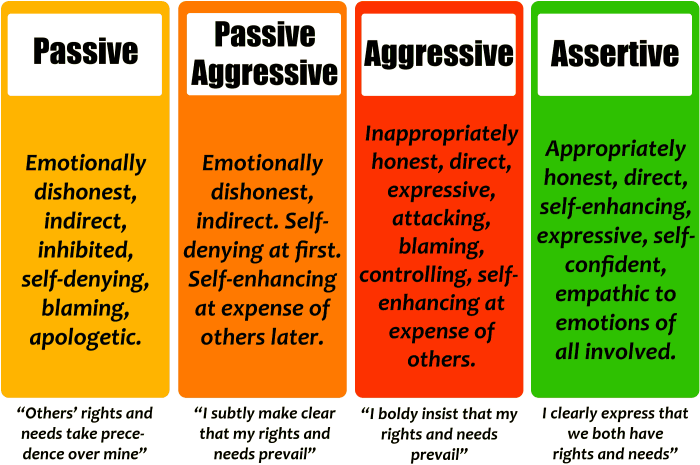
Source: thepowermoves.com
Entering the therapeutic sanctuary often requires immense courage, as individuals lay bare their deepest vulnerabilities under the assumption of absolute safety and unconditional positive regard. Yet, when an entrusted practitioner deploys sarcasm and ironic barbs from the perceived immunity of an executive leather armchair, the foundational alliance shatters completely. This insidious dynamic transforms a clinical environment into a psychological minefield where every breakthrough is met with veiled ridicule rather than empathetic holding.
The devastation caused by these calculated linguistic assaults extends far beyond mere bruised feelings, actively dismantling the neurological and emotional pathways necessary for sustainable recovery and self-compassion.
Picture a muted office where late afternoon sunlight cuts across rich mahogany bookshelves, illuminating a plush leather armchair positioned strategically at a measured distance from the client’s couch. From this elevated perch of perceived authority, a seasoned practitioner delivers a seemingly casual punchline disguised as objective clinical observation, entirely misjudging the profound asymmetry of the room. The acoustic impact of a sarcastic double-entendre in such a confined, emotionally charged space reverberates differently than everyday banter, penetrating raw psychological defenses that took months to construct.
Clients who have spent a lifetime navigating hostile home environments suddenly find themselves re-traumatized by the very professional hired to model healthy relational dynamics. The irony drips with a quiet cruelty, leaving the recipient stranded between the objective reality of the insult and the gaslighting illusion of professional expertise, effectively paralyzing their capacity for authentic emotional expression.
Comparative Analysis of Supportive and Hostile Therapeutic Commentary Across Modalities
Navigating the vast landscape of mental health treatment requires distinguishing between genuine therapeutic interventions and disguised hostility across various clinical frameworks. Within cognitive behavioral approaches, a supportive practitioner might gently challenge distorted thinking patterns with collaborative curiosity, whereas a hostile clinician utilizes sarcastic remarks to humiliate the client for making predictable cognitive errors. Similarly, in psychodynamic therapy, uncovering deeply buried unconscious material should be handled with delicate interpretive reverence rather than cynical mockery that weaponizes the client’s own vulnerabilities against them.
Humanistic modalities, which rely heavily on empathy and congruence, suffer catastrophic failures when the therapist masks contempt behind dry wit, rendering the therapeutic relationship actively toxic.
- Cognitive Behavioral Therapy framework involves collaborative empiricism, where supportive feedback sounds like exploring alternative hypotheses together, while hostile commentary manifests as sarcastic dismissals of the client’s cognitive efforts as hopeless.
- Psychodynamic therapy traditions prioritize gentle uncovering of defense mechanisms, contrasting sharply with covertly cynical interpretations that mock the client’s developmental regressions for cheap comedic effect.
- Humanistic person-centered modalities demand unconditional positive regard, which is completely corrupted when a practitioner delivers patronizing double-entendres that judge the client’s innate emotional processing.
- Somatic experiencing practices focus on bodily safety and regulation, yet sarcastic remarks from the clinician instantly trigger physiological fight-or-flight responses, contradicting the entire somatic healing objective.
Systematic Documentation Framework for Covert Clinical Micro-Aggressions
Establishing an objective record is vital for clients navigating subtle psychological subversion, as internal doubt often clouds memory following ambiguous verbal exchanges. Utilizing a structured logging mechanism allows individuals to anchor their lived experience against the disorienting gaslighting frequently embedded in covertly hostile clinical environments. Maintaining a meticulous log validates the client’s perception, transforming vague feelings of unease into concrete, undeniable data points that can be reviewed independently or utilized if reporting ethical violations.
The following detailed observation matrix provides a reliable methodology for tracking sarcastic micro-aggressions, ensuring every critical element from the session is captured accurately for personal validation and analytical clarity.
| Date and Time | Exact Clinical Quote | Nonverbal Cue | Emotional Fallout |
|---|---|---|---|
| October 12, 14:00 | Oh sure, because crying about your childhood will definitely pay your rent this month. | Smirking while leaning back and checking a wristwatch. | Immediate shame, dissociation, and suppression of grief for the remainder of the session. |
| October 19, 14:00 | Another breakthrough? Let me grab my notepad for this historic milestone. | Heavy sigh accompanied by an exaggerated eye-roll and slumping posture. | Deep humiliation, self-doubt regarding progress, and fear of sharing future vulnerabilities. |
| October 26, 14:00 | You really have mastering self-sabotage down to an absolute art form. | Condescending chuckle combined with a pointed, dismissive wave of the hand. | Internalized harsh judgment, severe anxiety, and a strong urge to terminate treatment abruptly. |
The therapeutic alliance cannot survive where contempt wears the mask of clinical humor, because true healing demands the absolute sanctuary of empathetic truth.
Practitioners struggling with unacknowledged burnout frequently project their hidden exasperation onto compliant individuals seeking sanctuary.
The sanctuary of the consultation room occasionally transforms into a theater of silent attrition when the person holding the notepad reaches the absolute limits of their emotional reserve. Behind the polished veneer of professional composure, an internal depletion takes root, slowly corroding the foundational empathy that once defined the vocation. Individuals who arrive seeking refuge from their own internal storms instead encounter a subtle, pervasive shift in the therapeutic atmosphere.
What begins as a momentary lapse in concentration gradually mutates into a steady current of unacknowledged fatigue, quietly altering the dynamics of every exchange.
Compassionate listening demands a profound expenditure of psychological energy, requiring the practitioner to absorb, process, and metabolize heavy emotional burdens hour after hour. When self-care protocols fail and cumulative stress goes unaddressed, the human nervous system initiates defensive survival mechanisms to protect against further depletion. Empathy ceases to flow as an organic response and instead becomes a rigid, mechanical performance drained of its vital warmth.
This silent transformation turns the sacred act of holding space into an exhausting endurance test, where the clinician’s internal friction leaks into the shared space through micro-expressions, postural rigidity, and tonal flatness. The compliant client, naturally attuned to maintaining harmony, absorbs this atmospheric shift without naming it, internalizing the clinician’s unspoken irritation as their own personal failure to heal correctly.
Physiological and Emotional Manifestations of Practitioner Fatigue, Passive aggressive therapist
Recognizing the profound depth of practitioner exhaustion requires examining the tangible bodily and psychological signals that emerge when the threshold of resilience is breached. The following structured overview maps the progression of burnout from internal bodily cues outward into the interpersonal dynamic of the consulting space, providing a clear diagnostic blueprint for identifying hidden exasperation before it fully compromises the therapeutic alliance.
| Symptom | Manifestation | Client Impact | Recovery Protocol |
|---|---|---|---|
| Adrenal Hyperarousal | Elevated heart rate and shallow breathing during standard intake sessions. | Senses subtle urgency, leading to guarded disclosures and performance anxiety. | Mandatory somatic breathing breaks between appointments and caseload capping. |
| Cognitive Blunting | Delayed processing speeds and frequent reliance on clinical clichés. | Feels unseen, reduced to a mere diagnostic category rather than a complex human. | Clinical supervision focusing strictly on countertransference and mental rest. |
| Cynical Detachment | Internal eye-rolling and cynical framing of client breakthroughs. | Absorbs covert rejection, leading to premature termination or compliance. | Sabbatical leave and intensive personal psychotherapy to process secondary trauma. |
| Compassion Fatigue | Complete inability to generate affective resonance toward recurring narratives. | Experiences profound emotional abandonment while sitting in the same room. | Peer support networks, workload restructuring, and boundary reinforcement. |
Observational Protocol for Internalized Hostility Detection
Trainees navigating the demanding landscape of clinical education must cultivate radical self-awareness to intercept suppressed frustration before it materializes as clinical harm. The practice of bearing witness to human suffering exacts a heavy toll, making it essential to monitor the subtle physiological and cognitive markers that signal the onset of projective friction.
The following structured guidelines Artikel the necessary steps for trainees to audit their internal emotional state during high-stress clinical interactions, ensuring that hidden animosity remains outside the boundary of the therapeutic relationship:
- Establish a baseline somatic check by scanning for physical tension in the jaw, shoulders, and hands during the first five minutes of every client session.
- Monitor internal monologue for judgmental categorization, noting any mental shifts from empathetic curiosity toward clinical condescension or impatience.
- Evaluate post-session energy levels to differentiate standard professional tiredness from the heavy, stagnant exhaustion indicative of unacknowledged secondary trauma.
- Review session transcripts or audio recordings specifically for instances of clipped pacing, overly authoritative pronouncements, or sarcasm disguised as therapeutic humor.
- Engage in structured peer debriefing sessions where hidden resentments can be articulated safely without fear of institutional reprisal or professional judgment.
True clinical integrity requires acknowledging the limits of one’s own capacity, ensuring that the sanctuary offered to others does not become a quiet chamber of hidden rejection.
Final Wrap-Up: Passive Aggressive Therapist

Source: thepleasantmind.com
Recognizing the quiet echoes of covert hostility in professional healing spaces marks a powerful turning point toward reclaiming absolute emotional autonomy and restoring the sacred trust essential for true psychological transformation. By shining a brilliant light into these shadowed clinical dynamics, we empower every seeker to honor their inner resilience, demand authentic empathy, and bravely step forward into a future defined by genuine, uncompromised emotional well-being.
