intent vs impact stands at the silent crossroads where what we carry inside our minds violently collides with how the world receives our actions. Every single day, a quiet cognitive friction hums beneath the surface of our interactions, turning genuine warmth into accidental wounds that ripple far beyond our initial awareness.
From the subtle missteps in bustling corporate digital channels to the heavy silences breeding inside once-warm homes, this phenomenon dictates the hidden friction of modern existence. As cultural backgrounds, masked agendas, and digital screens strip away our vital nonverbal lifelines, understanding this profound disconnect becomes essential for navigating the complex web of human relationships.
Unseen psychological gears disconnect what people actually mean from how their actions land in real time

Source: teacherspayteachers.com
Every single day, quiet collisions occur across boardrooms and living rooms alike, born not from malice, but from a profound internal disconnect. The human experience is driven by an invisible machinery where pure intentions are manufactured deep within the mind, yet they frequently morph into entirely different signals by the time they cross the threshold of expression. Navigating this landscape requires examining the silent gears of perception that dictate how a simple gesture transforms into an unintended offense.
Deep beneath the surface of everyday interaction, a silent storm of cognitive friction brews whenever our internal motives fail to align with external receptions. This mental turbulence originates in the fundamental divergence between self-perception and social observation. When individuals act, they possess complete, unfiltered access to their own benevolent intentions, soothing doubts, and careful considerations. They know the exact origin of their words.
However, observers operate in a starkly different reality. Deprived of internal context, observers must reconstruct meaning exclusively from observable behaviors, tone of voice, and fleeting facial expressions. This creates an immediate informational asymmetry. The mind attempts to bridge this gap through rapid, automatic mental shortcuts known as heuristics, but these shortcuts often misfire under the weight of stress or fatigue.
While our purest goals matter, the actual outcomes we create truly define our journey. Sometimes a fresh perspective changes everything, which is why exploring exciting day trips from new orleans reveals vibrant new horizons. Ultimately, bridging the gap between what we secretly hope to achieve and the tangible footprint we leave behind shapes our truest legacy.
As the brain scrambles to decode incoming signals, it relies heavily on past traumas and generalized assumptions rather than current realities. Consequently, a casual comment meant to lighten a heavy mood is processed by a stressed colleague as a personal critique. The friction intensifies because the speaker evaluates themselves based on their noble motives, while the listener evaluates the speaker based solely on the immediate impact.
This perpetual mismatch shatters the illusion of clear communication, proving that merely possessing a good heart is never enough to guarantee a safe landing.
Cognitive Friction Dynamics and Interpersonal Misunderstandings
To fully grasp how internal motives fracture upon contact with the outside world, we must examine the specific behavioral patterns and emotional ripples that accompany these daily miscommunications. The following breakdown maps out the hidden trajectory of human exchanges, illustrating how benevolent thoughts routinely morph into profound emotional wounds.
| Hidden Motives | Perceived Actions | Resulting Misunderstandings | Emotional Fallout |
|---|---|---|---|
| Offering constructive guidance to improve a project | Micro-managing and displaying unwarranted authority | Believing leadership lacks trust in individual competence | Defensiveness, quiet resentment, and diminished creativity |
| Setting firm boundaries to protect personal bandwidth | Abrupt withdrawal and emotional coldness | Interpreting the distance as a personal rejection or hostility | Anxiety, alienation, and escalating relational friction |
| Using concise language to save time during a crisis | Bluntness and abrasive communication | Assuming the speaker is angry or dismissive | Intimidation, guarded collaboration, and loss of psychological safety |
Neurological Pathways Governing Emotional Reactivity
When interpersonal communication suddenly breaks down, human biology often bypasses rational thought in favor of instantaneous self-preservation. The brain’s architecture prioritizes survival over nuanced understanding, creating a physiological rush that distorts reality.
This rapid emotional hijack begins in the amygdala, an almond-shaped cluster of nuclei deep within the temporal lobes that acts as the brain’s ultimate sentinel for emotional processing. The moment an interpersonal friction point emerges, sensory data travels through the thalamus, taking a lightning-fast shortcut directly to the amygdala before ever reaching the prefrontal cortex for logical analysis. This neural bypassing ensures an instantaneous fight-or-flight response, flooding the bloodstream with cortisol and adrenaline.
Simultaneously, the prefrontal cortex, responsible for executive functioning, empathy, and objective evaluation, experiences a temporary offline status as blood flow is redirected to large muscle groups. In this neurochemical state, a neutral facial expression or a slightly elevated vocal tone is automatically categorized as a direct threat. The human nervous system reacts to verbal disagreements with the exact same biological fervor it reserves for physical predators.
This explains why individuals in heated discussions frequently find themselves speaking out of character, unable to access higher-order reasoning until the physiological storm subsides entirely.
Personal Biases and Distorted Observational Clarity
Our understanding of reality is constantly filtered through deeply ingrained mental biases that quietly rewrite the narratives of our daily interactions. These perceptual lenses ensure that we rarely see the world as it is, choosing instead to see it through the distorted prism of our own assumptions and fears.
Observational clarity is fundamentally compromised by the fundamental attribution error, a cognitive bias where we attribute other people’s problematic behaviors to their inherent character while excusing our own through situational context. Recognizing this pattern requires close examination of real-world scenarios where internal innocence clashes with external judgment.
“When we watch a colleague rush past us in the hallway without a greeting, our confirmation bias immediately frames them as arrogant and dismissive, entirely ignoring the crushing deadline they are desperately trying to meet.”
Visualizing this dynamic reveals a profound irony of human nature. Picture a brightly lit corporate office where a senior manager stands by a glass window, rubbing their temples with a look of intense concentration. Down below, a junior employee glances up, interprets the pinched expression as profound disapproval of their recent presentation, and immediately spirals into self-doubt. The manager is actually calculating quarterly budgets with zero thought toward the employee, yet the employee’s internal anxiety creates a complete, highly detailed narrative of impending professional doom.
This vivid mental illustration highlights how personal insecurities act as master editors, splicing terrifying new meanings into utterly mundane human moments.
Cultural frameworks quietly dictate how individuals judge the wreckage left behind by well-meaning blunders.
Beneath every public apology and private misunderstanding lies an invisible architecture of shared beliefs, traditions, and unspoken rules. When a well-intentioned gesture shatters against the reality of cultural differences, society does not merely observe the collision; it actively grades the debris through a specialized lens forged by centuries of heritage. Picture a vast, mosaic-tiled arena where every spectator wears polarized glasses, rendering the exact same event in entirely different shades of grace or guilt.
Societal backgrounds fundamentally dictate whether observers fixate on the purity of an actor’s heart or the chaotic fallout of their external actions. In individualistic societies, where personal autonomy and direct communication reign supreme, people often isolate the individual from the environment, weighing the internal motive above all else. Conversely, in collectivistic and high-context cultures, the web of relationships and societal harmony takes precedence.
Here, a disruption in the social fabric demands accountability for the outcome, regardless of how noble the initial driver might have felt to the perpetrator. This fundamental divergence creates a heavy fog over human interactions, transforming innocent remarks into diplomatic incidents. Observers do not just see what happens; they see what their culture has trained them to value, turning a simple misstep into a profound moral referendum on character, upbringing, and social belonging.
Historical instances of cross-cultural friction from misaligned intentions and outcomes
History is replete with monumental collisions where stellar internal objectives crashed violently against foreign shores, leaving lasting scars. During early modern diplomatic exchanges between the British Empire and the Qing Dynasty, British envoys arrived with advanced technological gifts intended to signal respect, scientific enlightenment, and a desire for mutually beneficial trade. Within the framework of British modernity, bringing the pinnacle of industrial innovation was the ultimate expression of goodwill.
However, the Qing court operated under a deeply rooted tributary framework where foreign emissaries were expected to demonstrate submission through ritualistic prostration rather than offering peer-level technological novelties. The British viewed their actions through the lens of benevolent progress, while the imperial court interpreted the exact same behavior as arrogant insubordination. The resulting friction accelerated centuries of geopolitical tension, proving that noble intent possesses zero diplomatic immunity when translated across incompatible cultural lexicons.
Another striking chapter unfolded during mid-20th-century international development programs, where Western agricultural experts deployed modern farming machinery to agrarian communities in parts of South Asia. The internal motivation was entirely humanitarian: to eradicate famine, ease backbreaking labor, and elevate local living standards through scientific efficiency. Yet, these well-meaning specialists failed to account for localized communal land ownership traditions and sacred ecological stewardship practices.
The introduction of heavy machinery fractured traditional labor distributions, empowered dominant local elites at the expense of marginalized farming castes, and destabilized delicate ecosystems. The foreign agents measured their success by the number of tractors delivered, while local populations measured the intervention by the erosion of community cohesion and spiritual displacement. These historical echoes remind modern global citizens that benevolence without profound cultural literacy is simply a more polite form of imposition.
While heartfelt motives rarely match cold reality, bridging this gap requires honest feedback. Reflecting on past assistance, how would you rate the support you received ? True progress unfolds when constructive criticism meets genuine dedication, transforming accidental missteps into powerful catalysts for meaningful future connections and lasting positive change.
Environmental triggers amplifying social hypersensitivity
Modern social ecosystems are fraught with invisible tripwires that instantly heighten vigilance, transforming minor verbal slips into severe emotional crises. Understanding these atmospheric catalysts helps decode why communities react with disproportionate intensity during specific periods of societal stress.
- Prolonged systemic instability and economic precarity force populations into a persistent state of hyper-vigilance, where every ambiguous statement is parsed as a potential threat to survival.
- Rapid demographic shifts within urban centers create friction between long-standing cultural norms and emerging pluralistic expectations, lowering the collective threshold for perceived disrespect.
- The relentless velocity of digital outrage cycles amplifies minor infractions, stripping away context and forcing observers to react instantly to curated snippets of conflict.
- Historical trauma embedded within specific communities acts as an early-warning system, causing immediate defensive reactions when modern actions mirror past patterns of institutional exclusion.
Psychological toll on marginalized populations navigating chronic misunderstandings
Living within a society where one’s daily behaviors are perpetually misinterpreted demands an exhausting cognitive tax. For marginalized populations, navigating interpersonal waters feels like walking through a minefield designed by people who refuse to acknowledge the explosives beneath the soil. Every casual gesture, professional ambition, or emotional expression must be mentally pre-screened for how the dominant culture might distort its meaning.
This chronic state of hyper-adaptation erodes mental health, fostering a persistent exhaustion known as minority stress.
When well-meaning individuals commit microaggressions and brush them off with declarations of having a pure heart, they effectively invalidate the lived reality of those bearing the brunt of the outcome. The psychological weight accumulates silently, manifesting as anxiety, diminished professional risk-taking, and a profound sense of alienation within spaces meant for collaboration and growth. Observers frequently demand that marginalized individuals maintain infinite patience, educating others while simultaneously absorbing the collateral damage of their blunders.
This dynamic creates an insidious double bind: individuals must remain pleasant enough to be accepted, yet vigilant enough to survive the next unintended blow.
The true measure of an interaction is not found in the purity of the spark that started it, but in the enduring shelter it provides for everyone standing in the rain.
Modern professional communication channels strip away vital nonverbal cues that usually heal accidental slights.
The modern workplace has migrated from bustling collaborative rooms into illuminated glass rectangles where text reigns supreme. In this disembodied digital landscape, human interaction is stripped of its biological safety nets, turning routine updates into potential landmines of misunderstanding.
Digital workspaces drastically amplify the dangerous chasm between text-based sentiments and receiver reactions by removing the subtle, organic feedback loops that humans have relied on for millennia. When an executive types a terse directive like "See me," the physical reality of a calm tone of voice and a reassuring smile is completely absent. Deprived of these biological safety valves, the human brain instinctively reverts to a default negativity bias.
Receivers fill the vast informational vacuum with their own anxieties, transforming neutral typography into perceived hostility. A delayed Slack message becomes a silent reprimand; a missing punctuation mark translates into icy anger. According to workplace psychology research, over seventy percent of human communication relies on nonverbal cues such as micro-expressions, vocal inflection, and posture. When communication channels reduce rich, multi-dimensional interactions to flat pixels on a screen, they eliminate the immediate, involuntary gestures that naturally heal accidental slights in real time.
Without the softening effect of a warm laugh or a supportive nod, minor word choices fester, escalating small misunderstandings into full-scale organizational friction and eroded trust.
Digital Communication Medium Vulnerabilities
Navigating the modern enterprise requires a clear understanding of how different technological platforms distort human intent. Organizations must recognize the specific systemic flaws inherent in each channel to deploy proactive countermeasures that protect workplace relationships from collateral damage.
| Digital Communication Medium | Inherent Flaws | Typical Misinterpretations | Corrective Measures |
|---|---|---|---|
| Instant Messaging Platforms | Encourages rapid-fire, fragmented typing without contextual depth or emotional buffering. | Perceived micro-management, impatience, or passive-aggressive coldness. | Incorporate deliberate warmth, strategic emoji usage, and periodic verbal check-ins. |
| Corporate Email Threads | Asynchronous pacing combined with formal structures creates rigid, overly defensive tones. | Hidden agendas, bureaucratic reprimands, or systemic exclusion. | Keep sentences concise, state positive intent upfront, and transition complex issues to voice calls. |
| Collaborative Project Tools | Task-oriented commenting systems reduce human contributors to mere functional cogs. | Devaluation of effort, personal criticism, or public humiliation among peers. | Separate process critique from personal feedback; utilize private channels for performance notes. |
Systematic Written Directive Audit Framework
Corporate leaders can dramatically reduce the risk of collateral damage in their communications by implementing a rigorous, structured evaluation process prior to publication. Adopting a methodical review framework transforms impulsive typing into deliberate, empathetic leadership.
- Conduct an initial tone scan to identify any abrupt imperatives, demanding questions disguised as statements, or missing contextual framing that might trigger defensiveness in the recipient.
- Evaluate the emotional vulnerability index of the message by assessing whether the text leaves room for the receiver to ask clarifying questions without fear of retribution.
- Apply the stranger test by imagining how an external party, completely unfamiliar with internal team dynamics, would interpret the emotional weight of the vocabulary used.
- Insert explicit statements of positive intent and collaborative partnership to anchor the directive in psychological safety before hitting send.
Isolated Remote Worker Experience
Picture a solitary professional sitting in a dimly lit home office at twilight, the blue glare of a computer monitor reflecting off exhausted eyes. The silence of the apartment is heavy, punctuated only by the faint hum of a refrigerator and the ominous ping of an incoming notification chime. A message pops up from senior management concerning quarterly metrics, devoid of pleasantries, context, or warmth.
In the absence of verbal inflection or a supportive glance across a desk, the worker stares at the glowing text, re-reading the same two sentences over and over. Every possible catastrophic interpretation begins to bloom in the quiet room: job insecurity, unmet expectations, and invisible failure. The isolation amplifies the ambiguity, turning a simple administrative request into an echo chamber of self-doubt.
The worker sits paralyzed in the quiet digital void, drowning in an ocean of misinterpreted typography, completely disconnected from the human empathy that should anchor every professional relationship.
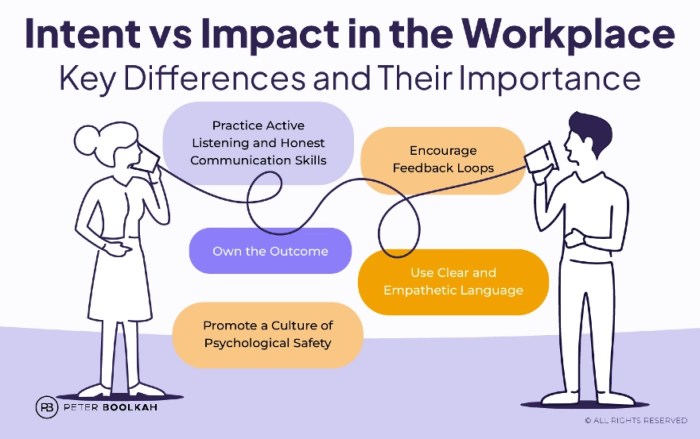
Linguistic weaponization occurs when shrewd participants hide toxic agendas behind plausible deniability about their initial goals.
Source: boolkah.com
Beneath the polished surface of high-stakes boardrooms and political chambers, a calculated form of psychological warfare operates through the very vocabulary of cooperation. Shrewd participants often master the dark art of linguistic weaponization, meticulously wrapping toxic agendas in the pristine packaging of plausible deniability. This calculated strategy allows them to inflict professional or emotional damage while retaining an immaculate facade of innocence.
Observers witness a chilling theater where malice is deliberately disguised as mere clumsiness, leaving targets isolated, confused, and questioning their own perception of reality.
The mechanics of disguising malice as clumsiness within elite environments rely heavily on the exploitation of institutional politeness norms. In corporate and political hierarchies, colleagues and constituents are culturally conditioned to grant the benefit of the doubt, especially to individuals in positions of power. Perpetrators exploit this goodwill by deploying passive-aggressive remarks, strategic omissions, and backhanded compliments framed as awkward jokes or misguided attempts at mentorship.
When a victim attempts to address the harm, the perpetrator instantly retreats behind the shield of benevolent intent, claiming their words were misinterpreted or taken entirely out of context. This dynamic creates a suffocating environment where the burden of proof shifts unfairly onto the injured party, transforming every legitimate grievance into an apparent overreaction by a sensitive employee. Historical corporate investigations, such as those documented in workplace culture assessments by organizations like the Equal Employment Opportunity Commission, frequently reveal how serial harassers maintain power for years by systematically camouflaging targeted hostility as professional miscommunication.
Rhetorical Tactics Used to Gaslight Victims, Intent vs impact
Navigating the terrain of engineered toxicity requires recognizing the specific linguistic maneuvers designed to erode psychological stability. Manipulators rely on a standardized toolkit of rhetorical deception to rewrite narratives and invalidate the emotional responses of those they target. Understanding these precise methods is the first line of defense against systematic psychological erosion in professional spaces.
- Inverting the victim and offender roles through feigned fragility, where the perpetrator claims the target’s assertion of boundaries is actually an act of bullying against them.
- Minimizing legitimate grievances by labeling emotional or professional distress as an inability to handle high-pressure environments or standard corporate banter.
- Deploying historical revisionism regarding previous interactions, flatly denying documented agreements or hostile statements to induce cognitive dissonance in the target.
- Shifting the focus entirely away from the harmful action onto the tone of the person reporting the harm, policing their delivery rather than addressing the substance of the abuse.
Investigative Frameworks for Uncovering Masked Behavior
Exposing systemic patterns of damaging behavior hidden behind sweet-talking rhetoric demands a rigorous, forensic approach to communication analysis. Casual observations rarely suffice when dealing with sophisticated operatives who leave a trail of deniable plausible deniability. Investigators and organizational leaders must adopt systematic protocols to separate calculated malice from isolated human errors.
The investigative process begins with longitudinal data collection, moving away from single incidents to map out behavioral trends across multiple months and diverse colleagues. Investigators must audit written correspondence, meeting transcripts, and digital communication logs to identify recurring motifs of exclusion, subtle undermining, or targeted discreditation. Visual descriptive analysis of high-stakes settings often reveals non-verbal micro-expressions of contempt immediately following the delivery of sweet-talking rhetoric, offering crucial telemetry that contradicts the spoken words.
Furthermore, conducting structured, anonymous climate surveys allows patterns of psychological safety erosion to surface without triggering the fear of retaliation from politically entrenched actors. By triangulating digital records with verifiable witness testimonies, organizations can pierce through the armor of plausible deniability and reveal the deliberate architecture of harm beneath.
Systematic manipulation thrives in the shadow of ambiguity; bringing concrete behavioral patterns to light destroys the safe harbor of plausible deniability.
Preserving Emotional Sovereignty Against Persistent Manipulators
Maintaining psychological autonomy while interacting with individuals who weaponize their claimed innocence is an exercise in rigorous internal boundary-setting and emotional detachment. Victims often exhaust their cognitive reserves trying to force the manipulator to acknowledge reality, a futile endeavor designed to consume their energy. True empowerment begins with accepting that the manipulator will never offer authentic closure or validate the inflicted harm.
Securing emotional sovereignty requires a shift from seeking external validation to relying entirely on internal consensus and objective documentation. When confronted with sweet-talking hostility, targets must consciously anchor themselves in the factual reality of the action rather than the gentle cadence of the words used to deliver it. Establishing strict communication protocols, such as insisting that all critical agreements and feedback be conducted strictly through written channels, drastically reduces the space for gaslighting and retroactive reinterpretation.
Mental health frameworks emphasize the power of the grey rock method, responding to provocations with calculated emotional neutrality to starve the manipulator of the dynamic engagement they crave. By refusing to participate in the emotional theater of manufactured innocence, individuals reclaim their agency, rendering the linguistic weapons of the manipulator entirely ineffective against their well-guarded peace of mind.
Transformative accountability demands that actors abandon their defensive attachments to pristine motives when harm occurs.

Source: versoriaonline.com
While our purest aspirations often miss the mark, true growth emerges from bridging that painful gap. Consider how artisan craftsmanship elevates simple milk into award-winning grand cru cheese through patient dedication. This exact mindful precision transforms our everyday actions, ensuring our heartfelt actions finally match the positive outcomes we genuinely strive to create.
The landscape of human interaction is frequently fractured by the invisible chasm between what we intend and what we enact. When an action leaves a trail of emotional wreckage, the immediate impulse of the human ego is to construct an impenetrable fortress around its original goodness. People cling desperately to the narrative of a pure heart, believing that if they can just prove their intentions were noble, the resulting damage should magically vanish.
This white-knuckled grip on innocence is not just futile; it is a heavy anchor that drags both parties into a stagnant pool of resentment and unresolved pain.
True psychological liberation begins the moment an individual unclenches their fists from the need to be perceived as inherently good in every single instance. Surrendering the armor of pristine motives allows a person to step out from behind the shield of defensiveness and look directly at the reality of the impact they caused. Imagine walking into a darkened room and accidentally shattering an expensive, heirloom vase.
While good intentions often pave our daily road, the actual impact reveals the true measure of our actions. Stepping through the leafy suburban avenues of petersham , local communities beautifully demonstrate how mindful choices transform noble ideas into uplifting realities. Ultimately, bridging that crucial gap between what we mean to do and how we truly affect the world remains our greatest journey.
Crying out that you did not mean to break it does nothing to reassemble the porcelain shards on the floor. However, dropping the defensive posture creates an immediate shift in the dynamic. It opens up a vast, breathable space where actual healing can finally take root, unburdened by the exhausting labor of self-preservation and image management.
Releasing this ego-driven need to justify oneself requires a radical acceptance of human fallibility. When the obsession with protecting one’s personal brand of righteousness fades away, a profound sense of lightness takes its place. Mental energy that was once entirely consumed by spinning narratives, deflecting blame, and managing guilt becomes suddenly available for empathy and connection. This psychological shift moves a person from a state of fragile reactivity into a posture of grounded maturity.
By acknowledging that a good person can still cause devastating harm, the individual honors the complex reality of human relationships rather than demanding a sanitized fantasy where their mistakes do not matter.
Comparative Analysis of Accountability Behaviors
Human reactions to conflict span a wide spectrum, moving from protective hostility to genuine repair. Understanding these distinct behavioral patterns helps clarify why certain approaches perpetuate harm while others successfully mend relational fractures.
| Defensive Fragility | Avoidance Tactics | Genuine Remorse | Restorative Actions |
|---|---|---|---|
| Instant anger and immediate pivoting to self-defense. | Ghosting, denial, or shifting conversation topics entirely. | Active listening without interruption or internal rebuttal. | Offering concrete steps to repair the specific damage done. |
| Insisting that the hurt party misunderstood the original goal. | Minimizing the severity of the emotional or physical impact. | Deep validation of the other person’s emotional experience. | Consistent behavioral changes over an extended period. |
| Playing the victim because the mistake was purely accidental. | Rationalizing behavior through external stress or exhaustion. | Acceptance of full responsibility without conditional clauses. | Transparent communication and patient rebuilding of trust. |
Procedural Framework for Sincere Apologies
Delivering an apology that truly heals requires a methodical approach that strips away ego and centers entirely on the person who absorbed the blow. Moving through deliberate phases ensures that the amends are felt as authentic rather than manipulative.
-
The process begins with an unvarnished acknowledgment of the specific disruption caused, naming the exact behavior without sugarcoating or creative interpretation.
-
The second phase involves an intentional pause, silencing any internal urge to explain the backstory, the fatigue, or the original good intention that went sideways.
-
The third step centers on validating the emotional reality of the injured party, allowing them to express the full weight of the impact without counter-arguments.
-
The final stage requires outlining a tangible path forward, demonstrating through observable behavioral modifications that the lesson has been deeply integrated.
Verbal Phrasing for Accountability
Navigating the delicate architecture of an apology requires precise language that respects the listener’s pain while relinquishing all claims to immediate absolution. The spoken word must reflect a complete divorce from self-justifying rationalizations.
“I recognize that my words caused you deep pain, and I am not here to explain my intentions or defend my character.”
When the temptation arises to minimize the fallout, shifting the linguistic focus entirely to the receiver’s experience changes the emotional climate of the interaction. Authentic accountability relies on clear, unbuffered statements of ownership.
“You have every right to feel hurt by what I did, and I take full responsibility for the impact of my actions without any conditions.”
Moving past the desperate need to prove a pure heart opens the door to genuine human connection, proving that true strength lies in the courage to stand unprotected in the wreckage and help clean it up.
Intimate partnerships become breeding grounds for chronic resentment when goodwill repeatedly translates into silent suffering

Source: turnforpeace.com
Beneath the surface of enduring romances, a quiet erosion frequently takes place as domestic machinery grinds down emotional safety. People enter commitments carrying vast reservoirs of affection, yet daily routines often twist pure intentions into painful misunderstandings. This hidden friction builds up gradually, transforming once-warm households into quiet battlegrounds where nobody remembers who fired the first shot, only that the walls are fracturing from the impact.
Domestic dynamics decay under the heavy weight of unacknowledged collateral damage within long-term relationships through a slow accumulation of unaddressed micro-ruptures. When partners operate under the assumption that a pure heart excuses a clumsy delivery, they inadvertently grant themselves immunity from accountability, leaving the other person to absorb the shockwaves. Over years, these compounding incidents of well-meaning collateral damage create a psychological landscape defined by vigilance rather than rest.
One partner might execute a chore with genuine helpfulness, yet criticize the other’s prior methods in the same breath, erasing the positive utility of the act through the sting of superiority. The recipient learns to swallow the frustration to keep the peace, burying the hurt beneath a compliant smile. This dynamic breeds chronic resentment because the suffering remains entirely invisible to the perpetrator, who continues to distribute goodwill while wondering why their partner grows increasingly distant.
Psychological safety evaporates not from grand betrayals, but from the death-by-a-thousand-cuts of benevolent blunders that are never brought to light, repaired, or integrated into mutual understanding. Emotional isolation deepens silently inside the very walls built to keep loneliness out, turning domestic life into an exercise in endurance rather than sanctuary.
True intimacy dies not when love fades, but when the damage caused by clumsy affection is repeatedly denied the dignity of acknowledgment.
Everyday domestic habits that unknowingly drain emotional safety
Recognizing the subtle ways emotional safety leaks out of a household requires looking closely at daily behavioral patterns that feel harmless on the surface. The following inventory highlights specific domestic habits that consistently erode trust and connection between romantic partners over time.
- Offering unsolicited optimization advice during moments of vulnerability, transforming a supportive listening session into an impromptu performance review.
- Assuming mind-reading capabilities based on longevity, resulting in skipped basic negotiations about needs, schedules, and emotional bandwidth.
- Weaponizing humor or sarcasm to deflect immediate feedback, leaving the wounded partner feeling foolish for raising a legitimate concern.
- Keeping an internal tally of household contributions while outwardly projecting fairness, letting quiet scorekeeping poison natural generosity.
- Interrupting a partner’s recounting of a difficult day with immediate problem-solving strategies instead of offering empathetic validation.
The sensory architecture of emotional distance in shared spaces
The physical environment of a home absorbs the psychological weather of its inhabitants, mirroring the invisible chasms growing between them. Emotional distance possesses a distinct sensory signature that transforms the familiar architecture of a shared life into something heavy and melancholic. It sounds like the exaggerated acoustic resonance of footsteps pacing on hardwood floors late at night, carefully timed to avoid waking the person in the next room.
It tastes like the metallic tang of unsaid words swallowed repeatedly over lukewarm coffee during silent morning routines. The visual landscape shifts from vibrant engagement to muted dissociation, where partners navigate around each other in narrow hallways with practiced, frictionless precision, avoiding accidental skin contact as if navigating a minefield. The air itself feels heavy and static, stripped of the spontaneous warmth of shared laughter, replaced by the sterile chill of emotional self-preservation.
Even the lighting in the living spaces alters perceptually, casting long shadows across corners that once felt cozy, now serving as physical boundaries marking the psychological territories each person has retreated behind. Every object in the room—from the untouched mugs on the counter to the separate seating arrangements on the couch—tells a silent story of two people coexisting in parallel universes, mourning a connection that died a slow death through a thousand unexamined impacts.
An interactive communication ritual bridging affection and execution
Bridging the persistent chasm between affectionate intent and clumsy execution requires a deliberate, structured practice that forces both partners out of autopilot. The alignment dialogue ritual serves as this necessary bridge, operating on a specific framework designed to decouple motives from impacts safely.
- The initiator states a specific recent event where a well-intentioned action landed with unexpected emotional weight, strictly avoiding generalizations about character.
- The recipient listens without defending their initial motive, summarizing the partner’s emotional experience back to them until the partner feels completely understood.
- Both individuals explicitly separate the purity of the internal goal from the reality of the external impact, validating both truths simultaneously.
- The pair collaboratively redesigns the future execution of that specific daily action, ensuring the resulting behavior actually matches the intended care.
Epilogue: Intent Vs Impact

Source: slideserve.com
Ultimately, true accountability demands that we step away from the fragile safety of defending our pure motives and instead face the tangible wreckage we leave behind. By anchoring our awareness in the heavy reality of our external footprints rather than the comforting fiction of our internal desires, we unlock a transformative path toward genuine healing and profound human connection.
