Inspirational vs aspirational forces shape the very core of human ambition, quietly guiding the delicate balance between finding deep soulful fulfillment and chasing towering external milestones. Across the shifting landscapes of modern culture, leadership, and digital media, individuals continually navigate the invisible currents that separate a fleeting moment of heartfelt encouragement from a lifelong hunger for prestige and status symbols.
Recent developments in psychological research and digital algorithm analysis reveal how these distinct motivational states trigger entirely different neurological pathways, altering everything from daily routines to long-term career trajectories. Understanding these foundational mechanics not only illuminates personal growth paths but also exposes how modern enterprises, educational frameworks, and brand storytellers strategically harness human desire to influence collective behavior.
Understanding the fundamental psychological mechanics that separate emotional motivation from future-oriented goal-seeking helps clarify personal growth trajectories.

Source: getmidnight.com
Human ambition often walks a fine line between the immediate warmth of emotional resonance and the cold, calculated blueprint of distant achievement. Navigating this internal landscape requires looking closely at how the mind processes stimuli, builds momentum, and sustains energy over time. Every choice made, from morning habits to career pivots, stems from these two distinct mental engines quietly driving behavior behind the scenes.
While inspirational ideas ignite our inner drive and aspirational dreams point toward distant futures, bridging that motivational gap demands witnessing raw majesty firsthand. Travelers standing before the emerald cliffs of north shore kauai witness waves crashing against ancient volcanic shores, transforming abstract ambition into tangible reality. Ultimately, this breathtaking encounter proves that true motivation flourishes when lofty desires meet the enduring power of nature.
The cognitive mechanics operating during an immediate emotional uplift differ fundamentally from the processes involved in projecting the self into a distant achievement scenario. When a person encounters a moving story or a stirring speech, the brain experiences a rapid surge of neurotransmitters like oxytocin and dopamine, creating a profound sense of connection and present-moment elevation. This visceral reaction engages the limbic system, particularly the amygdala, which evaluates emotional significance and triggers an immediate subjective feeling of readiness or goodwill.
The temporal horizon here is compressed entirely into the now, demanding no long-term spatial or temporal calculation from the prefrontal cortex. Conversely, projecting oneself into a distant milestone requires advanced executive functioning. The dorsolateral prefrontal cortex must actively construct a mental simulation of a future reality, weighing probabilities, delaying gratification, and orchestrating complex sequences of goal-directed actions. This mental time travel involves high cognitive load, abstract reasoning, and the suppression of immediate impulses in favor of a delayed reward structure that may not materialize for years.
Cognitive Architecture of Motivation and Goal-Seeking
Comparing these two psychological states reveals stark contrasts in how human neurology, behavior, time perception, and emotional endurance manifest during daily challenges. The following data breakdown maps out the operational differences that govern human drive.
| Neurological Triggers | Behavioral Outcomes | Temporal Focus | Emotional Endurance |
|---|---|---|---|
| Limbic system activation, release of oxytocin and dopamine via empathy and resonant storytelling. | Spontaneous acts of kindness, charitable giving, creative breakthroughs, and momentary surges of enthusiasm. | Immediate present; highly reactive to environmental cues and interpersonal connections. | Short-lived; decays rapidly within hours or days once the immediate stimulus fades. |
| Prefrontal cortex engagement, strategic planning circuits, and calculation of delayed rewards. | Systematic habit formation, rigorous training schedules, financial saving, and structured career progression. | Distant future; maps months, years, or decades ahead into strategic milestones. | High resilience; sustained by purpose, grit, and the systematic tracking of long-term progress. |
Physiological Impacts of Touching Narratives Versus Long-Term Milestones
The body responds physically to the nature of the thoughts and stories it consumes, translating abstract concepts into concrete biological realities. Encountering a touching narrative—such as watching a documentary about community resilience or reading an intimate account of personal triumph—instantly modulates the autonomic nervous system. Heart rate variability often increases, cortisol levels temporarily stabilize through a sense of emotional catharsis, and peripheral vasodilation can create a literal sensation of warmth in the chest.
These biological shifts are designed for immediate social bonding and empathy, priming the organism to connect with others and respond to immediate environmental cues.
Visualizing a long-term milestone, however, invokes a markedly different physiological profile rooted in task-oriented arousal. When an individual mentally rehearses the steps required to launch a business over a five-year period or trains for a marathon, the sympathetic nervous system shifts into a state of focused readiness. Muscle tension subtly increases, baseline dopamine production remains steady to fuel sustained focus, and metabolic rates adjust to support prolonged cognitive exertion.
Unlike the sudden, wave-like biological peak of an emotional uplift, the physiological response to long-term planning resembles a steady-state engine, optimized for endurance, stress inoculation, and repetitive physical or mental output over extended periods.
True personal evolution requires balancing the spark of emotional resonance with the steady architecture of long-term strategic execution.
Behavioral Shifts Stemming from Heartfelt Encouragement Versus Material Ambition
Daily routines undergo a profound metamorphosis depending on whether an individual operates from a wellspring of heartfelt encouragement or the rigid framework of material ambition. When someone is driven primarily by deep emotional support, interpersonal connection, and a sense of shared purpose, their daily schedule naturally incorporates spaces for mindfulness, community engagement, and creative expression. Mornings might begin with reflective journaling, checking in on loved ones, and aligning daily tasks with personal values rather than external status markers.
Work is approached as a medium for self-actualization and service, reducing burnout because the underlying fuel is relational and intrinsic rather than transactional.
Conversely, a routine anchored entirely in material ambition or distant status-driven milestones operates with clockwork precision and relentless optimization. The daily schedule becomes a tightly managed sequence of productivity blocks, skill acquisition sessions, and performance metrics tracking. Coffee is consumed not for comfort, but as a cognitive enhancer; commute times are utilized for listening to educational podcasts or strategic audiobooks.
While this material-driven routine generates high output and accelerates tangible achievements, it carries a distinct vulnerability to exhaustion if it lacks the grounding warmth of emotional nourishment. Recognizing these distinct behavioral patterns allows individuals to consciously calibrate their daily lives, blending the soulful drive of human connection with the unyielding focus of future-oriented planning.
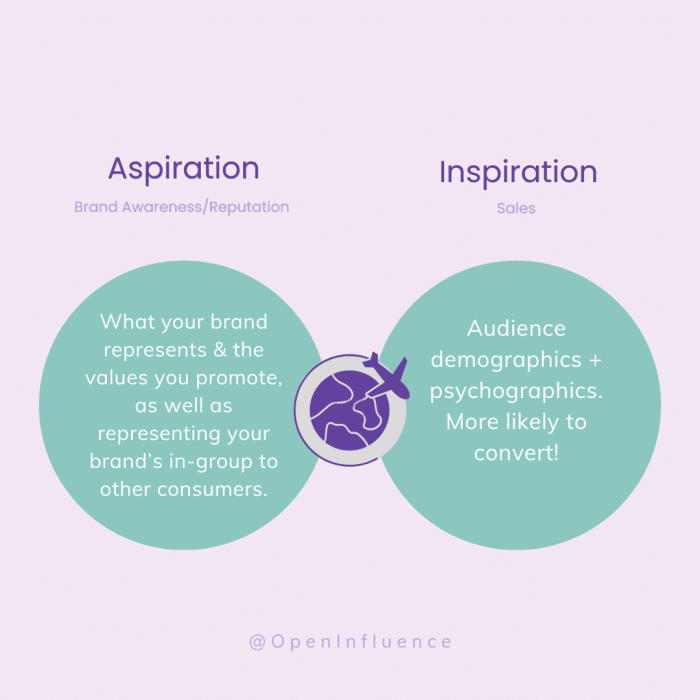
Examining how linguistic framing alters the reception of leadership messaging reveals deep insights into human responsiveness.
Source: openinfluence.com
The architecture of human decision-making relies heavily on the specific vocabulary delivered from the podium, acting as a direct catalyst for how teams interpret authority and direction. When leaders step into the spotlight, every syllable carries the weight of psychological direction, shaping whether an organization reacts with profound internal reflection or relentless external ambition. Behind every successful corporate address lies a precise orchestration of semantics designed to navigate the intricate landscape of human desire and behavioral economics.
Specific vocabulary choices within motivational addresses serve as psychological levers that either evoke a sense of spiritual elevation or trigger an acute hunger for social status. When a speaker deliberately selects transcendent lexicons—words like legacy, purpose, soul, awakening, and transcendence—the listener’s neural pathways register a call toward higher moral and existential alignment. This linguistic approach bypasses immediate material concerns, anchoring the individual in a timeless narrative of personal virtue and collective harmony.
Dreams spark the soul, yet true purpose transforms mere wishes into lived reality, bridging the gap between who we are and who we dare to become. As global adventurers chase these profound horizons, carrying the sleek wayfinder passport wallet secures vital documents through every bold transition. Ultimately, embracing this journey empowers us to manifest our deepest visions into an authentic, enduring legacy.
Conversely, pivoting toward a lexicon of status—terms such as dominance, market share, recognition, hierarchy, and outperformance—activates the brain’s reward circuitry related to social standing and tribal dominance. History shows that figures ranging from civil rights leaders to visionary tech entrepreneurs meticulously calibrated these word choices. For instance, addressing an auditorium with the promise of self-actualization creates a sanctuary of shared ideals, whereas framing the corporate mission around conquering industry benchmarks immediately awakens competitive adrenaline and the pursuit of tangible prestige.
While inspirational figures ignite immediate action, aspirational goals paint tomorrow’s vast horizon. This delicate balance profoundly shapes our inner compass, resting heavily upon a steadfast belief and value system that anchors every bold decision. As breaking reports highlight shifting cultural mindsets, embracing this dynamic tension ultimately bridges the gap between who we are today and the extraordinary legacy we choose to build.
Rhetorical mechanisms for morale enhancement
Sustaining team resilience often requires communication strategies that build intrinsic fortitude without relying on immediate material incentives or financial bonuses. The following rhetorical devices demonstrate how linguistic mastery successfully elevates collective morale through psychological engagement.
- Anaphora creates rhythmic momentum by repeating opening phrases across consecutive sentences, anchoring foundational truths deeply into the collective consciousness of the listeners.
- Antithesis juxtaposes contrasting ideas within balanced clauses, illuminating a clear path away from stagnation toward dynamic collective achievement.
- Metaphorical reframing translates abstract organizational challenges into heroic odysseys, transforming routine operational tasks into meaningful rites of passage.
- Inclusory plural pronouns intentionally substitute individual burdens with shared ownership, dissolving isolation and fostering an unbreakable sense of communal solidarity.
- Evocative sensory adjectives paint vivid mental landscapes of future triumphs, allowing audiences to emotionally experience victory long before the physical work concludes.
Corporate boardroom dynamics during strategic communication pivots
The polished mahogany conference table reflects the harsh glare of recessed LED lights, casting sharp shadows across the faces of twelve senior executives sitting in tense silence. At the head of the table stands the chief executive officer, tailored suit immaculate, leaning forward with palms pressed firmly against the glass surface. The atmosphere transitions abruptly from an abstract philosophical dialogue about organizational integrity and individual moral character to the cold, unforgiving reality of numerical accountability.
Charts flicker on the massive wall-mounted display behind him, replacing poetic metaphors about human potential with stark columns of quarterly advancement metrics, margin contractions, and projected earnings per share. The collective gaze of the executive board shifts instantly from contemplative nodding to intense scrutiny of the financial graphs, illustrating the seamless boundary where transcendent inspiration surrenders to empirical corporate governance.
Syntax structures fundamentally dictate whether a listener experiences a state of liberating presence or feels crushed by the impending weight of future expectations. Sentences characterized by coordinated clauses and present-participle phrases allow the human mind to rest comfortably in the immediate experience, fostering psychological safety and emotional resonance. On the other hand, complex subordinate clauses packed with future-conditional markers and heavy performance obligations force the listener’s cognition into perpetual anticipation and anxiety.
Language is not merely a vehicle for transmitting information; it is the architect of human emotion, capable of elevating the spirit or chaining the will to relentless ambition.
By carefully balancing syntactic flow, communicators can either liberate their audiences to feel deeply moved in the present moment or burden them with the heavy expectations of tomorrow’s deliverables.
Tracing the historical evolution of self-improvement literature uncovers a fascinating shift from moral fortitude to material upward mobility.
Human ambition has undergone a profound metamorphosis over the past century, drifting away from the quiet sanctuaries of inner virtue and marching boldly toward the gleaming neon shrines of external status. If you leaf through the yellowed pages of early twentieth-century manuals, you encounter a relentless obsession with character, integrity, and spiritual resilience. Fast forward to the modern digital age, and the lexicon of betterment has been entirely rewritten by the high-stakes vernacular of productivity hacking, wealth accumulation, and brand building.
This cultural pivot mirrors a broader societal reconfiguration where worth is no longer measured by the quiet strength of one’s conscience, but by the visible weight of one’s achievements.
The transformation of societal values over the last hundred years represents a massive structural migration from collective morality to hyper-individualistic capitalization. In the post-Victorian era, popularized by writers like Orison Swett Marden, self-help was inextricably linked to civic duty and religious piety. The ultimate benchmark of success was mastering the self, controlling one’s passions, and contributing to a harmonious community through honest toil.
While true motivation often bridges the gap between who we are and who we strive to become, capturing this powerful inner drive requires the right backdrop. Transforming personal ambition into striking imagery truly sparks the soul, especially when exploring financial district photoshoot ideas amid gleaming skyscrapers and bustling glass towers. Ultimately, embracing these visionary heights elevates our deepest dreams into reality.
However, the economic booms of the mid-twentieth century, catalyzed by the post-war industrial expansion and the birth of consumer capitalism, shattered this austere paradigm. Napoleon Hill and subsequent pioneers redirected the human gaze outward, teaching that thoughts are things and that financial abundance is the ultimate proof of personal enlightenment. Contentment was quietly dethroned, replaced by an insatiable hunger for prestige, luxury, and upward mobility that continues to define the contemporary landscape.
Historical Eras and Philosophical Shifts in Personal Betterment
Charting the trajectory of human progress requires examining the shifting frameworks that dictated how individuals viewed their potential and purpose across distinct historical periods. The underlying philosophies transitioned from divine alignment to scientific management, permanently altering the written guides offered to the public.
| Historical Era | Dominant Philosophical Teachings | Primary Societal Goals | Prevailing Literature Types |
|---|---|---|---|
| Victorian and Edwardian Period | Moral absolutism, transcendentalism, and stoic self-discipline | Spiritual purity, civic duty, and character development | Sermons, character guides, and essays on virtue |
| Mid-Twentieth Century | Pragmatism, early motivational psychology, and industrial efficiency | Economic security, career stability, and interpersonal influence | Success manuals, public speaking guides, and corporate habits |
| Contemporary Era | Neoliberal individualism, hyper-productivity, and manifest destiny | Financial independence, luxury acquisition, and brand visibility | Wealth acceleration blueprints, memoirs, and digital courses |
Cultural Catalysts Shaping Modern Ambition
The acceleration of consumer capitalism and the advent of mass media served as the primary engines driving the migration from inner tranquility to external display. Cultural turning points such as the post-World War II suburban boom and the subsequent dot-com revolution fundamentally redefined the American dream from owning a peaceful homestead to amassing venture-backed fortunes. This evolution found a willing megaphone in publishing houses that quickly adapted to public desires, trading pamphlets on spiritual fortitude for glossy paperbacks promising immediate luxury and elite status.
“The cultivation of the immortal soul requires a quiet detachment from the fleeting vanities of the earth, for true riches reside solely within the untroubled sanctuary of a righteous conscience.” — A nineteenth-century perspective on spiritual awakening.
“Scale your personal brand, optimize your morning routine, and leverage high-yield assets to dominate your market sector and secure elite positioning.” — A modern perspective on career scaling.
A striking mental snapshot illustrates this vast transition: picture an sepia-toned study from the late 1800s, where a solitary gentleman sits by a flickering hearth, meticulously journaling about patience, temperance, and the conquest of his own ego under the soft glow of an oil lamp. Contrast this directly with a bustling twenty-first-century downtown coffee shop, where a sleek professional clad in tailored minimalist attire aggressively taps on a glowing laptop, tracking stock portfolios, scheduling podcast interviews, and managing real-time metrics for a burgeoning digital empire.
This vivid juxtaposition captures the exact psychological distance humanity has traveled from the cultivation of inner peace to the relentless pursuit of outward status.
Navigating modern digital landscapes requires decoding how social media platforms exploit the tension between feeling creatively ignited and coveting unattainable lifestyles.

Source: askdifference.com
Modern glass screens serve as the primary arena where human ambition meets algorithmic engineering. Every swipe through a contemporary feed introduces a calculated juxtaposition of genuine artistic expression and conspicuous consumption, subtly shifting human desire from internal fulfillment to external acquisition. Behind the clean user interfaces lies a sophisticated architecture designed to maximize user retention by keeping the human psyche suspended in a delicate equilibrium between emotional resonance and material inadequacy.
Photo-sharing algorithms operate on psychological principles that exploit the brain’s reward circuitry, specifically targeting dopamine pathways through a calculated sequence of imagery. When a user opens a mainstream application, the digital feed rarely presents content uniformly. Instead, it deploys a sophisticated sequence designed to disarm critical thinking. The journey typically begins with a deeply vulnerable testimonial—perhaps a local baker sharing the emotional trials of opening a modest storefront, accompanied by soft, natural lighting and unpolished footage that triggers immediate empathy and a sense of shared human struggle.
Just as the viewer’s emotional guard drops and a genuine connection is established, the algorithm seamlessly injects a high-production-value post featuring a luxury yacht charter or an infinity pool overlooking the Amalfi coast, tagged with subtle lifestyle branding. This tactical juxtaposition relies on emotional priming; the warmth generated by the personal story lowers the psychological defenses, making the subsequent display of wealth feel attainable rather than alienating.
Behavioral data from major tech platforms indicate that mixed-content feeds increase session lengths by nearly forty percent compared to uniform streams, because the brain continuously attempts to reconcile the emotional authenticity of the first post with the aspirational appeal of the second. Users are conditioned to believe that emotional fulfillment and material opulence are intrinsically linked, fostering an unspoken narrative that true creative success must ultimately culminate in elite financial status.
Algorithmic Influence on Human Desires
A visual description captures a creator sitting at a cluttered, sunlit wooden desk overflowing with handmade ceramic mugs, charcoal sketches, and scattered notebooks filled with poetic drafts, dressed in a simple, paint-splattered linen apron. The warm golden hour light highlights the dust motes dancing in the air, emphasizing raw, unfiltered dedication to a craft. Right beside this humble workspace rests a sleek, metallic smartphone displaying a notification for a seven-figure real estate closing or an exclusive first-class lounge invite in Dubai, captured through a desaturated, high-contrast cinematic lens.
This stark visual duality encapsulates the modern creator economy, where the boundary between pursuing genuine artistic passion and marketing an enviable net worth has completely dissolved. Creators frequently find themselves trapped in a feedback loop where authentic vulnerability drives initial engagement, but monetization requires pivoting toward luxury lifestyle displays to satisfy commercial sponsors and algorithmic preferences.
Reclaiming digital sovereignty requires a systematic evaluation of daily media consumption patterns to separate constructive inspiration from toxic envy. Implementing a rigorous structural audit helps users consciously recalibrate their digital environments and protect their mental bandwidth.
- Execute a comprehensive following list audit by categorizing every account into either nourishment or depletion based on emotional reactions experienced within three seconds of viewing their content.
- Implement strict notification silences for accounts that consistently blend high-end luxury displays with creative pursuits, reducing passive exposure to carefully engineered lifestyles.
- Establish dedicated offline intervals during peak psychological vulnerability windows, such as late evenings or early mornings, to prevent algorithmic conditioning during low cognitive states.
- Curate alternative information channels that prioritize long-form, text-based journalism or community-driven forums where visual opulence holds zero currency.
The human mind cannot easily distinguish between a curated digital illusion and reality, treating every pixelated display of wealth as a personal indictment of current inadequacy.
Evaluating the psychological toll of these mixed-media feeds demands rigorous self-reflection and an understanding of cognitive bias. Clinical observations from digital wellness researchers demonstrate that prolonged exposure to high-end achievement showcases paired with heartwarming narratives leads to chronic comparison fatigue and elevated cortisol levels. Users often internalize the curated successes of others, measuring their internal creative journeys against external material milestones that represent only a fraction of a percent of global realities.
Recognizing these hidden psychological costs is the first critical step toward establishing a healthy psychological boundary with digital media, ensuring that online spaces remain tools for human connection rather than instruments of manufactured discontent.
Designing effective educational frameworks involves harmonizing the cultivation of inner resilience with the ambition for academic and professional excellence.
Modern classrooms stand at a vital crossroads where raw human potential meets structured industry demands. Across educational sectors globally, pioneering institutions are rewriting the blueprint for student achievement by merging deep emotional fortitude with high-stakes professional output. This integrated approach ensures that young learners do not merely climb career ladders, but build the internal strength required to sustain success through inevitable setbacks.
Curriculum planners hold the profound responsibility of weaving existential purpose directly into rigorous academic standards. When designing modern syllabi, instructional architects must deliberately pair exercises in self-discovery with modules on strategic career mapping. For instance, a high school entrepreneurship unit should not simply focus on revenue projections and market analysis; it must simultaneously incorporate reflective journals where students analyze their core values and long-term societal contributions.
This dual methodology bridges the gap between feeling deeply inspired by a personal mission and aggressively executing professional milestones. By anchoring ambition in authentic self-awareness, educators prevent burnout and foster a generation of leaders who view their vocations as extensions of their character. Educational research from institutions like the Collaborative for Academic, Social, and Emotional Learning highlights that students receiving this balanced framework demonstrate higher graduation rates and superior workplace adaptability years later.
Curriculum Integration Strategies For Purpose And Ambition
To successfully merge internal wellness with external drive, academic designers must implement systematic pathways across varying developmental stages. The following pedagogical matrix Artikels structured milestones designed to guide students from foundational self-awareness to high-level professional execution.
| Grade Levels | Recommended Pedagogical Activities | Emotional Intelligence Milestones | Career Readiness Targets |
|---|---|---|---|
| Elementary (K-5) | Storytelling circles focusing on personal heroes, guided imagination workshops, and collaborative art projects. | Developing basic emotional vocabulary, empathy for peers, and basic frustration tolerance during group tasks. | Exploring diverse community roles through guest speaker panels and hands-on imaginative play stations. |
| Middle School (6-8) | Passion-project portfolios, community service integration, and iterative prototyping challenges. | Cultivating self-advocacy, constructive conflict resolution, and resilience in the face of initial project failures. | Drafting initial interest inventories, exploring broad industry clusters, and shadowing local professionals. |
| High School (9-12) | Advanced venture incubators, capstone research on social issues, and cross-disciplinary mentorship programs. | Mastering stress regulation, ethical decision-making, and maintaining intrinsic motivation under heavy workloads. | Securing micro-internships, building digital professional portfolios, and defining clear post-secondary pathways. |
Classroom Exercises For Passion Mapping
Translating abstract theories of purpose into daily classroom routines requires hands-on methodologies that resonate with developing minds. Educators can deploy specific interactive exercises that honor a student’s creative spark while demanding rigorous structural planning for their future.
The daily educational environment must pulse with activities that demand both imaginative freedom and analytical discipline. Implementing these targeted exercises transforms standard lesson plans into dynamic incubators for holistic success.
- The Ikigai Blueprint Project asks students to map their personal joys, societal needs, marketable skills, and economic viability onto a four-quadrant canvas, ensuring their dreams have financial traction.
- Future Self Simulation exercises require learners to write a detailed diary entry from the perspective of their professional self ten years in the future, analyzing both the triumphs and the emotional hurdles overcome.
- Creative Constraint Workshops challenge students to solve real-world industry problems using unconventional artistic mediums, forcing them to balance wild creative ideation with strict project management timelines.
True educational mastery occurs when a student’s internal compass is strong enough to weather professional storms, and their professional ambition is sharp enough to turn inner visions into tangible reality.
Holistic Evaluation And Assessment Methods
Measuring a student’s delicate equilibrium between soulful engagement and ambitious target-hitting demands evaluation metrics that extend far beyond traditional standardized testing. Progressive schools now utilize multifaceted assessment models to capture the complete spectrum of human growth.
Evaluating this delicate balance requires moving away from purely quantitative metrics and embracing qualitative tracking tools. Educational psychologists advocate for assessment portfolios that tell the complete story of a student’s developmental journey.
- Longitudinal Growth Portfolios collect artifacts of both emotional breakthroughs and technical project deliveries, allowing educators to review how a student’s resilience grew alongside their GPA.
- Peer-Reviewed Resilience Audits give students structured rubrics to evaluate how well their classmates supported team morale during high-pressure academic competitions.
- Reflective Metacognitive Essays require learners to critically analyze the moments they felt overwhelmed, detailing the specific coping strategies they deployed to maintain their academic trajectory without sacrificing their mental well-being.
Evaluating brand storytelling strategies sheds light on how commercial enterprises successfully persuade consumers to align their purchases with deeply held identity ideals.: Inspirational Vs Aspirational

Source: myenglishmatters.com
Modern commerce operates far beyond the simple exchange of utility for currency, functioning instead as a sophisticated theater of identity construction. When individuals browse through marketplaces, they are rarely just buying physical items; they are actively seeking external anchors for their internal narratives. Corporations recognize this psychological vulnerability and craft intricate commercial narratives that tap directly into the human desire for acceptance, status, and meaning.
By carefully calibrating their messaging, brands transform ordinary commodities into powerful totems of personal and social identity.
The marketplace engine thrives on two primary psychological levers: the promise of profound belonging and the allure of a higher social tier. When marketing teams develop campaigns centered on connection, they leverage fundamental human evolutionary needs for tribal inclusion and emotional resonance. Consumers purchase these goods to feel anchored, understood, and safely enveloped by a community of shared values. Conversely, campaigns built around elite status exploit the perpetual human drive for hierarchical advancement and distinction.
Acquiring a luxury item signals exclusivity, competence, and access to an elevated echelon of society. This dichotomy forces buyers into a continuous loop of consumption, where every purchase acts as a vote for who they believe they are or desperately wish to become.
Analysis of Commercial Campaigns and Strategic Positioning
Examining historical and contemporary marketing rollouts reveals the distinct mechanisms corporations use to manipulate consumer psychology. The following breakdown illustrates how major brands successfully navigate the delicate balance between emotional stirring and prestige positioning to capture market share.
- Campaigns focusing on community solidarity utilize raw, unpolished storytelling, featuring everyday settings and diverse casts to foster an immediate sense of emotional warmth and radical inclusivity among viewers.
- Luxury tier promotions rely heavily on minimalist aesthetics, sparse lighting, and high-contrast cinematography, deliberately alienating the casual observer to manufacture an aura of scarce, hard-earned privilege.
- Hybrid product launches often sequence their marketing rollout by initially building grassroots emotional momentum through charitable partnerships, followed swiftly by the introduction of limited-edition, high-priced variants for elite collectors.
- Corporate rebranding initiatives frequently pivot from cold corporate efficiency to folksy, heritage-driven narratives when attempting to recapture declining market segments through nostalgia and perceived authenticity.
The physical architecture of modern retail spaces actively reinforces these psychological divides through meticulous environmental design. A striking scene unfolds inside a flagship concept store where two distinct worlds collide within the same architectural footprint. On the left side of the grand hall, warm amber lighting cascades over reclaimed barnwood tables laden with homespun, organic cotton textiles and ceramic mugs that evoke rustic homesteads and neighborhood cooperation.
The ambient soundscape murmurs with acoustic folk music and the gentle hum of shared gatherings, inviting the foot-traffic browser to slow down and feel safely embraced by a fictional heritage. Just ten feet away, separated only by a polished concrete aisle, the atmosphere shifts radically into a hyper-modern gallery zone. Here, minimalist chrome pedestals showcase limited-edition Swiss timepieces and laser-cut Italian leather goods under sharp, cool-toned spotlighting.
The contrast is jarring yet calculated, forcing the consumer to physically step between the comforting embrace of the collective tribe and the cold, thrilling summit of individual achievement.
Strategic Guidelines for Ethical Brand Copywriting, Inspirational vs aspirational
Copywriters carry the immense responsibility of shaping public desire without exploiting deep-seated psychological insecurities. Balancing the warmth of community impact with the ambition of elite achievement requires a rigorous framework of ethical boundaries that respects the intelligence and emotional wellbeing of the consumer.
Authentic brand messaging honors the consumer’s current reality while illuminating a path forward, refusing to manufacture artificial deficits to accelerate sales conversions.
- Messaging must transparently represent the origin of community-driven initiatives, ensuring that real social impact is never trivialized as a mere aesthetic accessory for profit generation.
- Elite positioning copy should avoid utilizing exclusionary language that demeans non-purchasers, focusing instead on craftsmanship, heritage, and the intrinsic quality of the materials used.
- Copywriters need to maintain a strict factual baseline regarding the exclusivity of luxury goods, steering clear of manipulative artificial scarcity tactics that induce panic buying among status-driven consumers.
- Communication channels must clearly separate philanthropic storytelling from commercial sales pitches, allowing buyers to support community causes independently of their luxury purchasing decisions.
Concluding Remarks

Source: thecontentauthority.com
Ultimately, mastering the interplay between soulful resilience and ambitious target-hitting allows individuals to design a more grounded and purposeful journey forward. By recognizing the subtle boundaries that separate heartwarming inner peace from the relentless pursuit of high-end achievement, we unlock the capacity to build meaningful lives that honor both our present emotional well-being and our future professional horizons.
