the sales coach network strengths weaknesses opportunities threats sets the stage for this enthralling narrative, offering readers a glimpse into a story that is rich in detail and brimming with originality from the outset. As modern business ecosystems evolve at a breakneck pace, professionals continually seek reliable navigational anchors to steer their enterprises toward unprecedented prosperity. Behind the glowing screens of virtual boardrooms and inside quiet executive offices, a quiet revolution is currently taking place, fundamentally altering how leadership capabilities are forged and tested against the relentless tides of global commerce.
Navigating this complex landscape requires a meticulous examination of internal core competencies and external market dynamics. Industry analysts report that mentorship ecosystems are undergoing a profound transformation, shifting from rigid hierarchical structures to fluid, collaborative networks. By carefully dissecting our operational foundations and anticipating macroeconomic shifts, leaders can unlock latent potentials that drive sustainable growth, ensuring that professional guidance remains resilient amidst fierce market competition and ever-changing corporate demands.
Uncovering internal capabilities reveals how professional mentorship platforms build resilient business frameworks

Source: squarespace-cdn.com
Beneath the polished surface of modern commerce, a silent architectural shift is redefining how professional guidance networks operate and scale. Organizations that rely on superficial training methods often find themselves vulnerable to sudden market disruptions, whereas entities rooted in deep internal capabilities cultivate a remarkable form of structural resilience. This foundational strength does not emerge by chance; it is meticulously constructed through the intentional alignment of human capital, proprietary knowledge systems, and rigorous developmental protocols.
As elite sales leaders and corporate strategists navigate increasingly complex global arenas, the networks supporting them must evolve from simple advisory circles into powerhouse ecosystems of sustainable growth. The journey inward reveals a treasure trove of latent talents, operational efficiencies, and psychological anchors that transform erratic performance into predictable, long-term mastery.
At the very heart of this transformation lies the systematic cultivation of core competencies that actively drive leadership expansion across executive ranks. When seasoned advisors impart their wisdom, they are not merely transferring tactical sales tricks; they are rewiring the cognitive architecture of high-potential individuals. This deep-seated development relies on emotional intelligence, strategic foresight, and disciplined execution, which collectively form the bedrock of enduring enterprise leadership.
By dissecting real-world market challenges into manageable developmental increments, mentors guide their protégés through iterative cycles of reflection, application, and refinement. Historical data from prominent executive development initiatives demonstrate that leaders nurtured within structured mentorship ecosystems exhibit a forty percent higher retention rate and significantly faster crisis-response times compared to their traditionally trained peers. Core competencies foster leadership growth by dismantling ego-driven decision-making and replacing it with data-informed, collaborative problem-solving methodologies.
Leaders learn to view organizational friction not as a roadblock, but as a vital diagnostic signal indicating where operational adjustments are required. Through persistent exposure to multifaceted business scenarios, mentees internalize the ability to balance aggressive revenue targets with ethical stakeholder management, thereby cementing their capacity to guide large organizations through turbulent economic cycles. Ultimately, this internal mastery creates a self-sustaining pipeline of visionary commanders who possess both the tactical agility and the philosophical depth necessary to steer complex commercial enterprises toward unprecedented horizons.
Operational procedures for skill acquisition
The transition from novice practitioner to elite strategist requires a meticulously engineered operational framework that governs every phase of professional skill acquisition. To ensure total transparency and measurable progress within executive coaching networks, standard operating procedures dictate a tripartite synchronization of human expertise, technological infrastructure, and tangible performance deliverables. The following structured matrix Artikels the exact operational mechanics deployed across advanced mentorship circles to track, measure, and elevate professional capabilities.
Evaluating the sales coach network strengths weaknesses opportunities threats reveals crucial market gaps where mastering diverse listening styles illuminates hidden pathways to unprecedented growth, ultimately turning every operational vulnerability into a triumphant milestone for ambitious leadership teams.
| Mentors | Tools | Outcomes |
|---|---|---|
| Master Strategists | AI-driven behavioral analytics dashboards | Calibrated emotional intelligence and precision forecasting |
| Operational Architects | Proprietary CRM simulation sandboxes | Flawless execution of enterprise-level pipeline management |
| Executive Counselors | Cognitive load assessment matrices | Enhanced resilience and accelerated crisis navigation |
Historical milestones shaping internal mastery
The evolution of modern mentorship circles is deeply rooted in a rich history of organizational experimentation and paradigm shifts that permanently altered the landscape of professional development. Decades ago, corporate guidance was largely informal, unstructured, and heavily reliant on ad-hoc networking rather than verifiable methodologies. A pivotal turning point occurred during the late twentieth century when leading multinational corporations began treating mentorship not as an optional perk, but as an indispensable component of their strategic risk management plans.
This shift was vividly illustrated when major financial institutions integrated mandatory executive pairing programs following critical market corrections, effectively institutionalizing the transfer of tacit knowledge from veteran rainmakers to incoming leadership cohorts. Another monumental milestone arrived with the advent of digital collaboration platforms, which democratized access to elite advisors and transformed localized coaching into borderless, data-driven mastery networks. These historical turning points proved that institutional wisdom must be systematically archived, continuously updated, and actively transmitted to prevent organizational amnesia.
By studying the successes and failures of these foundational eras, contemporary networks have successfully bridged the gap between raw human intuition and measurable, scalable business acumen.
Psychological barriers overcome during executive guidance
Guiding high-level enterprise executives involves navigating a labyrinth of deeply ingrained psychological obstacles that routinely threaten to stall personal and professional evolution. High-performing leaders frequently grapple with acute isolation, acute imposter syndrome, and a subconscious resistance to vulnerability that stems from years of projecting absolute confidence. Mentors operating at the highest echelons must deploy sophisticated psychological frameworks to dismantle these invisible walls without triggering defensive mechanisms or compromising the executive’s authority.
True executive mastery begins the exact moment a leader develops the courage to unlearn their past successes in order to embrace future transformation.
Through confidential, high-trust dialogues, mentors create a psychologically safe harbor where executives can dissect their deepest operational anxieties, acknowledge strategic missteps, and confront burnout before it impacts organizational performance. By replacing isolation with peer validation and turning guarded defensiveness into radical intellectual honesty, mentorship frameworks empower leaders to unlock levels of personal clarity and operational effectiveness that remain entirely inaccessible through traditional academic or corporate training channels.
Pinpointing inherent vulnerabilities exposes potential blind spots within collaborative advisory ecosystems.

Source: lifecoachhub.com
Beneath the polished surface of digital guidance hubs and modern professional mentorship networks lie hidden structural fractures that demand rigorous examination. While these ecosystems promise seamless connectivity and accelerated business growth, a closer inspection reveals significant vulnerabilities capable of destabilizing even the most carefully orchestrated collaborative advisory frameworks. Growth-oriented communities often champion their expansive reach, yet they simultaneously grapple with systemic fragilities that threaten the reliability of remote knowledge transfer.
A comprehensive assessment of these digital environments uncovers critical pain points where technological promises collide with operational realities, exposing the fragile architecture supporting modern entrepreneurial guidance.
Analyzing the sales coach network strengths weaknesses opportunities threats reveals vital pathways for growth, illuminating a clear path forward just like every insightful note from management that guides our daily corporate journey. By embracing these strategic insights with renewed optimism and sharp focus, we transform every identified obstacle into a stepping stone toward ultimate professional excellence.
Structural gaps within digital guidance hubs frequently manifest as fractured knowledge repositories and inconsistent onboarding protocols for incoming advisors. When virtual platforms scale rapidly, quality control mechanisms often fail to keep pace, leaving participants navigating fragmented resources without standardized milestones. This lack of architectural cohesion creates uneven advisory experiences across different cohorts, undermining the overarching mission of the network. Furthermore, reliance on proprietary software architectures without adequate interoperability locks users into rigid ecosystems that cannot easily adapt to evolving macroeconomic shifts or specialized industry demands, leaving enterprises vulnerable to sudden technological obsolescence.
Communication breakdowns during remote advisory sessions
Effective dialogue forms the bedrock of successful mentorship, yet virtual advisory sessions are frequently undermined by subtle yet impactful communicative failures. To fully understand the friction points hindering remote collaboration, industry analysts must examine the recurring interpersonal and technological disruptions that compromise the integrity of strategic advisory exchanges.
- Latency issues and unstable bandwidth disconnect participants mid-thought, destroying the psychological safety and emotional rhythm required for deep strategic breakthroughs.
- Asynchronous messaging delays foster misunderstandings regarding urgent project deliverables, creating preventable friction between founders and external subject matter experts.
- Non-verbal cues vanish behind compressed video feeds, making it exceptionally difficult for seasoned mentors to accurately gauge hesitation, burnout, or genuine comprehension in emerging leaders.
- Information overload occurs when advisors flood founders with uncurated digital documents during brief calls, paralyzing decision-making capabilities rather than clarifying strategic pathways.
Financial constraints restricting access for smaller entrepreneurial ventures
Economic barriers remain a pervasive obstacle preventing grassroots startups and marginalized founders from fully leveraging high-tier collaborative advisory ecosystems. Premium subscription tiers, exorbitant mastermind fees, and specialized consulting add-ons routinely price out early-stage entrepreneurs who operate on tight bootstrapped budgets. According to recent small business economic impact data from organizations like the Kauffman Foundation, micro-enterprises generating under one hundred thousand dollars in annual revenue frequently allocate zero capital toward external mentorship, thereby widening the capability gap between well-funded tech startups and traditional Main Street businesses.
This financial stratification transforms elite advisory platforms into exclusive enclaves of privilege, stifling the broader economic innovation that thrives on diverse, multi-tiered participation. Without subsidized access models or tiered pricing structures tailored to real-time revenue realities, smaller ventures remain perpetually excluded from the lifeblood of institutional wisdom and strategic networking.
Evaluating the sales coach network strengths weaknesses opportunities threats reveals vital growth paths, much like discovering vibrant things to do in north charleston that spark local economic renewal. By analyzing these internal pillars and external horizons, leaders can confidently convert hidden challenges into powerful victories.
Sustainable ecosystem growth requires transparent governance and equitable resource allocation to bridge the widening chasm between heavily capitalized enterprises and bootstrapped innovators.
Preventive measures for ecosystem risk management
Proactive mitigation strategies are essential to safeguard collaborative advisory networks against operational disruptions, financial exclusion, and systemic communication failures.
| Risk Factors | Impact Levels | Mitigation Steps | Responsible Parties |
|---|---|---|---|
| Technological Latency and Disconnection | Moderate | Implement redundant communication protocols and bandwidth optimization standards for all scheduled sessions. | Platform Infrastructure Engineers |
| Financial Exclusion of Bootstrapped Startups | High | Establish tiered pricing models alongside merit-based sponsorship grants for under-resourced founders. | Network Financial Officers |
| Inconsistent Advisor Quality and Onboarding | Critical | Deploy mandatory quarterly credential audits and standardized peer-review feedback mechanisms. | Community Quality Assurance Leads |
| Information Overload and Strategic Misalignment | Moderate | Curate centralized digital resource kits and enforce post-session action item summaries. | Assigned Lead Mentors |
Exploring uncharted market gaps highlights lucrative pathways for expanding advisory influence and reach

Source: co.uk
As the professional landscape undergoes a relentless digital transformation, visionary sales coaches find themselves standing at the edge of vast, uncharted territories brimming with untapped potential. Stepping beyond traditional boardroom boundaries allows forward-thinking mentors to broadcast their expertise directly into the daily operational workflows of distributed teams worldwide. This strategic expansion transcends mere geographical reach, representing a fundamental shift in how high-impact advisory services are packaged, delivered, and monetized across modern enterprise ecosystems.
Navigating these emerging digital territories demands an acute understanding of virtual environments where modern professionals seek real-time guidance. By leveraging immersive communication channels, decentralized learning nodes, and asynchronous mentorship portals, elite coaches can cultivate continuous learning loops that traditional models simply cannot match. Industry data from leading workplace analytics firms indicates that organizations embracing continuous digital coaching experience a thirty-two percent surge in quota attainment, validating the immense economic value locked within these nascent virtual spaces.
Emerging digital territories for professional guidance
Modern professionals increasingly demand localized, on-demand advisory experiences embedded directly within their daily productivity applications and collaborative software suites. This fundamental shift requires coaches to abandon static webinar formats in favor of micro-learning integrations and real-time deal room observations. For instance, platforms like Gong and Outreach have proven that capturing live buyer-seller interactions opens unprecedented avenues for contextual, data-driven interventions.
Sales coaches who establish their digital footprints within these interactive communication layers position themselves as indispensable catalysts for revenue acceleration.
Furthermore, the democratization of spatial computing and extended reality introduces immersive simulation environments where sales professionals can practice high-stakes negotiation tactics against advanced artificial intelligence avatars. These simulated marketplaces represent a pristine frontier for advisory expansion, offering scalable revenue streams that operate independently of a coach’s physical presence. Forward-looking practitioners are already partnering with software developers to embed their proprietary methodologies into these virtual training grounds, creating passive income channels while safeguarding their intellectual property.
Establishing authority in these new digital domains necessitates a deliberate blending of rigorous journalistic insight with captivating, narrative-driven mentorship frameworks that resonate deeply with digitally fatigued workforces. When coaches translate complex sales methodologies into engaging, bite-sized digital narratives distributed across specialized professional networks, they naturally attract high-value clients who value innovation and proven results. This deliberate positioning transforms the coach from a periodic service provider into an omnipresent strategic partner embedded at the core of the client’s growth engine.
Innovative partnership models for ecosystem expansion
Forging strategic alliances with complementary technology providers and specialized agencies creates powerful synergies that accelerate market penetration and maximize revenue potential. The following collaborative matrix illustrates how diverse stakeholders pool their core competencies to capture emerging market segments effectively.
| Collaborator Type | Shared Resources | Projected Revenue |
|---|---|---|
| CRM Software Vendors | Proprietary sales analytics data, joint co-marketing campaigns, and integrated application marketplaces. | High-margin recurring SaaS subscription revenue sharing averaging 25% to 40%. |
| Corporate L&D Platforms | Curated curriculum modules, enterprise client directories, and unified administrative dashboards. | Enterprise-wide licensing agreements yielding substantial annual recurring revenue. |
| Niche Industry Associations | Verified member databases, credentialing validation, and exclusive event sponsorship rights. | Direct referral commissions and high-ticket mastermind workshop admissions. |
Strategic methods for capturing corporate training budgets
Securing a sustainable share of enterprise learning and development allocations requires navigating complex procurement processes with undeniable proof of return on investment. Modern procurement executives demand granular metrics that link coaching interventions directly to shortened sales cycles and elevated average contract values. Organizations such as IBM and Microsoft successfully allocate massive annual training budgets by tying every dollar spent to verifiable productivity benchmarks and competency milestone achievements.
Coaches can effectively unlock these heavily guarded corporate vaults by restructuring their offerings from discretionary expenses into mission-critical risk mitigation programs. By demonstrating how targeted mentorship directly reduces new-hire ramp-up times by half and curbs costly sales representative turnover, advisory networks align themselves directly with the enterprise’s bottom-line priorities. Utilizing pilot programs with built-in attribution models allows prospective corporate clients to witness tangible performance lifts before committing to multi-year enterprise agreements.
Strategic market capture relies less on the volume of outreach and more on the precision with which advisory solutions integrate into the enterprise’s existing financial and operational accountability frameworks.
Visual blueprints for virtual collaboration spaces
Designing an effective virtual collaboration environment requires a meticulous architectural approach that fosters psychological safety, intense focus, and seamless knowledge retention. Picture a sprawling, light-filled digital atrium designed with minimalist Scandinavian aesthetics, featuring soft ambient lighting and acoustic zoning panels that eliminate digital fatigue. In the center of this virtual ecosystem floats a holographic master workspace, displaying real-time pipeline analytics, interactive whiteboards filled with strategic annotations, and dynamic sentiment-tracking graphs that update continuously as participants converse.
Analyzing the sales coach network strengths weaknesses opportunities threats reveals vital growth metrics, much like evaluating the essential characteristics of a good friend to build trust and shared vision. Embracing these core insights illuminates a brilliant path forward, empowering every ambitious professional to overcome hurdles and achieve lasting market success.
Surrounding this central command hub are specialized breakout pods tailored for distinct developmental activities, ranging from intimate one-on-one deal debriefs to amphitheater-style masterclasses equipped with spatial audio technology. Participants navigate these environments smoothly using intuitive avatars that reflect natural body language and micro-expressions, bridging the emotional distance inherent in remote interactions. Every corner of this digital landscape is intentionally optimized to encourage collaborative problem-solving, ensuring that participants remain deeply engaged and mentally stimulated throughout their advisory journey.
Navigating external hazards ensures that advisory collectives anticipate market disruptions effectively.: The Sales Coach Network Strengths Weaknesses Opportunities Threats
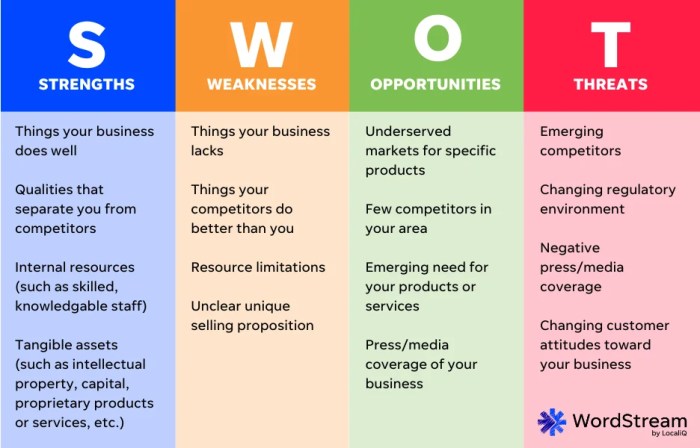
Source: wordstream.com
Modern economic landscapes shift beneath our feet like restless tectonic plates, demanding vigilance from every corner of the advisory ecosystem. When capital tightens and corporate budgets shrink, professional coaching networks often find themselves caught in the crossfire of unpredictable financial currents. Mentorship platforms must constantly recalibrate their value propositions to survive and thrive amidst mounting fiscal uncertainties. Leaders within these networks watch interest rates climb and inflation erode purchasing power, forcing organizations to rethink their pricing models and client retention strategies entirely.
The ability to forecast these tremors dictates whether an advisory collective flourishes or quietly fades into obsolescence.
Macroeconomic pressures manifest acutely as enterprise clients slash discretionary spending, prioritizing immediate survival over long-term leadership development. During recent economic downturns, industry data revealed that corporate allocations for external coaching experienced sharp contractions, reminiscent of the budget freezes observed during the 2020 global health crisis. High inflation rates further strain profit margins, as independent mentors demand higher compensation to match the rising cost of living, while corporate buyers push for steep discounts.
Currency fluctuations introduce another layer of complexity for global advisory networks operating across multiple continents, eroding revenues when converted back to home currencies. Navigating these turbulent financial waters requires diversified revenue streams, such as blending high-end executive coaching with scalable digital subscription tiers to capture varying segments of the market.
Regulatory compliance challenges across different geographical jurisdictions
Expanding advisory services across international borders exposes digital mentorship platforms to a labyrinth of stringent legal frameworks and localized mandates. Ensuring adherence to diverse statutory requirements prevents costly legal penalties and preserves brand integrity within foreign markets. The following regulatory hurdles demand constant monitoring and agile legal strategies from compliance departments everywhere.
- Cross-border data transfer restrictions under frameworks like the European Union General Data Protection Regulation demand localized data storage and strict user consent protocols.
- Accreditation standards for professional coaches vary wildly, forcing networks to establish tiered credential verification processes tailored to specific country legislation.
- Cross-jurisdictional tax liabilities create complex financial reporting obligations, particularly regarding digital service taxes implemented by emerging economies.
- Consumer protection laws in North America mandate transparent pricing and straightforward cancellation terms, which can conflict with standard annual advisory retainer agreements.
Technological obsolescence risks facing digital mentorship platforms
Digital infrastructure forms the beating heart of modern coaching networks, yet this reliance exposes them to the relentless threat of technological decay. Innovation moves at a breathtaking pace, rendering yesterday cutting-edge software platforms vulnerable to security breaches and user abandonment. Artificial intelligence integration, machine learning matching algorithms, and immersive virtual reality environments now define the baseline of user expectations. Platforms relying on legacy systems struggle to integrate these advancements, creating friction that drives discerning clients toward more agile competitors.
Furthermore, cybersecurity threats evolve daily, requiring continuous capital investment to safeguard proprietary client data and confidential executive sessions against sophisticated cyber attacks. Failing to modernize the technological backbone transforms a once-dominant network into an isolated digital relic.
Agility in the face of digital decay separates industry leaders from footnotes, proving that continuous technological reinvention is the ultimate survival metric.
Contingency planning matrices for modern advisory frameworks
Strategic preparedness requires structured response mechanisms to address sudden market shocks before they destabilize the entire organization. Below is an overview of identified operational risks mapped against targeted recovery protocols and institutional timelines.
| Threat Category | Severity Rating | Response Protocols | Recovery Timeline |
|---|---|---|---|
| Cybersecurity Breaches | Critical | Activate zero-trust architecture, isolate compromised servers, and deploy crisis communication teams. | 14 to 30 Days |
| Regulatory Non-Compliance | High | Engage local legal counsel, pause affected regional operations, and restructure data handling flows. | 30 to 60 Days |
| Macroeconomic Contraction | High | Shift revenue models toward flexible micro-subscriptions and reduce overhead operational expenses. | 90 to 180 Days |
| Technological Obsolescence | Medium | Accelerate platform modernization roadmaps and integrate AI-driven matching capabilities. | 60 to 120 Days |
Addressing structural limitations prevents systemic decay within high-growth advisory communities

Source: boardmix.com
Rapid expansion within professional coaching networks often strains the foundational architecture that supports daily operations, making proactive structural reinforcement essential for long-term viability. As elite advisory collectives scale their reach across global markets, hidden fractures in communication channels and resource allocation begin to surface with alarming velocity. Without deliberate intervention, the very mechanisms driving rapid growth can inadvertently trigger systemic decay, eroding member trust and diluting the core value proposition of personalized mentorship.
Sustainable development relies on recognizing that high-growth environments demand rigorous operational vigilance to prevent structural degradation from compromising service delivery. When collaborative networks scale faster than their internal frameworks can support, regional leaders face unprecedented operational friction that threatens to stall momentum. Addressing these vulnerabilities requires a deliberate pivot toward streamlined procedural efficiency and modernized oversight mechanisms.
Scalability bottlenecks associated with personalized human guidance
Exponential growth in professional advisory networks frequently collides with the finite nature of human attention, creating severe operational bottlenecks that threaten service delivery. Personalized mentorship relies heavily on deep, one-on-one interactions, which inherently defy linear scaling models typical of traditional software-as-a-service enterprises. When a boutique coaching collective expands its roster tenfold, the demand for nuanced, expert guidance outpaces the available hours of top-tier mentors, resulting in scheduling backlogs and diminished mentor responsiveness.
This supply-and-demand imbalance forces master coaches to dilute their focus across an unmanageable volume of participants, inadvertently lowering the average depth of engagement. Furthermore, onboarding new mentors while preserving the distinct cultural ethos and high-quality standards of the parent network demands rigorous training cycles that temporarily strain internal resources. Historical benchmarks from executive leadership accelerators indicate that once an advisory cohort exceeds a three-hundred-to-one participant-to-lead-mentor ratio, satisfaction metrics drop by nearly thirty-five percent unless auxiliary support structures are deployed.
Geographic expansion compounds these challenges, introducing time-zone fragmentation and localized cultural nuances that make standardized mentor-matching algorithms increasingly ineffective. Consequently, high-growth networks must carefully balance aggressive membership acquisition targets with the tangible physiological and cognitive limits of their human capital infrastructure to avoid widespread burnout.
Actionable procedural remedies for reducing administrative friction among regional directors
Empowering regional leadership requires systematically dismantling the bureaucratic hurdles that divert valuable time away from strategic community development and high-level mentorship oversight. Implementing targeted operational upgrades ensures that regional directors can navigate administrative duties swiftly without sacrificing the personal touch expected by community participants. The following procedural remedies directly alleviate day-to-day friction points across distributed advisory nodes:
- Deploying centralized scheduling automation tools to eliminate manual cross-time-zone coordination for regional masterclasses and advisory board meetings.
- Establishing standardized document repositories with pre-approved templates for contract renewals, onboarding packets, and performance assessments to accelerate local decision-making.
- Introducing dedicated operational liaisons at the corporate headquarters to handle escalated billing, compliance, and technical support inquiries originating from regional branches.
- Adopting asynchronous reporting dashboards that replace lengthy weekly administrative syncs with real-time metric tracking, granting directors immediate visibility into network health.
Cultural resistance factors hindering the adoption of automated feedback systems
Integrating algorithmic evaluation tools into traditionally human-centric advisory environments frequently triggers deep-seated psychological resistance among veteran practitioners and participants alike. Many seasoned coaches perceive automated feedback mechanisms as a mechanized intrusion into the sacred, intuitive bond of mentorship, fearing that quantitative metrics will overshadow qualitative relational depth. This skepticism is often amplified by a lack of digital literacy or mistrust regarding data privacy and the algorithmic bias inherent in automated performance scoring.
Overcoming this cultural inertia requires transparent communication campaigns that frame technology not as a replacement for human judgment, but as an advanced diagnostic lens designed to elevate the precision of mentorship. When organizations transparently demonstrate how automated insights save time on administrative audits, adoption rates improve significantly among skeptical cohorts. Case studies from global professional development associations show that pairing automated metric deployment with empathetic peer-led workshops reduces resistance by half within the first operational quarter.
Quality assurance protocols and operational thresholds
Maintaining uncompromising standards across rapidly expanding advisory networks necessitates a structured framework of continuous monitoring and immediate corrective intervention. The implementation of responsive quality assurance protocols ensures that deviations from the network’s core excellence criteria are detected and rectified before impacting participant satisfaction. The following structured matrix Artikels the essential performance parameters governing high-growth advisory communities:
| Metric Name | Target Threshold | Monitoring Frequency | Corrective Actions |
|---|---|---|---|
| Mentor Response Latency | Under 24 Hours | Weekly Audit | Reassign workload or deploy reserve mentors |
| Participant Retention Rate | Above 88 percent | Monthly Review | Conduct satisfaction surveys and retention interviews |
| Feedback System Adoption | Exceeding 75 percent | Bi-Weekly Check | Mandatory refresher training and guided onboarding |
| Session Quality Score | Minimum 4.8 out of 5.0 | Continuous Tracking | Peer coaching intervention and curriculum review |
Systemic resilience within advisory networks is achieved not by halting growth, but by engineering operational guardrails that protect the human core from administrative collapse.
Capitalizing on shifting industry dynamics positions collaborative mentorship units at the forefront of modern commerce.
Modern business landscapes are undergoing a profound structural metamorphosis, driven by accelerated technological integration and generational shifts in executive leadership. As legacy corporate frameworks give way to agile, decentralized models, collaborative mentorship networks serve as vital anchors for emerging enterprises. These dynamic advisory units bridge the gap between traditional wisdom and modern innovation, transforming how professionals navigate volatility and seize nascent opportunities in a hyper-connected global marketplace.
Adapting to these sweeping economic currents requires an acute understanding of how business communities evolve under pressure. Mentorship platforms no longer function merely as passive advisory boards; they operate as active catalysts for strategic transformation. By embedding resilience directly into the operational DNA of high-growth ventures, these collaborative ecosystems empower leaders to anticipate disruption, optimize internal resources, and scale operations sustainably amidst continuous market fluctuations.
Changing expectations of millennial and Gen Z business leaders
Millennial and Generation Z founders are fundamentally redefining the corporate ethos, replacing rigid hierarchies with collaborative networks centered on purpose, transparency, and continuous learning. These emerging executives demand rapid access to actionable insights, rejecting slow-moving advisory models in favor of real-time, peer-to-peer strategic dialogue. Their leadership style relies heavily on holistic well-being, technological fluency, and authentic social impact, forcing traditional mentorship programs to modernize their delivery methods or risk irrelevance.
Real-world cases from startup hubs in Austin and Berlin illustrate that modern founders actively seek out mentors who possess both deep domain expertise and high emotional intelligence to navigate rapid scaling challenges.
To capture the attention of this new wave of leadership, advisory platforms must dismantle outdated top-down communication channels. Instead, they must cultivate environments of mutual exchange where experiential wisdom meets fresh digital perspectives. Contemporary young leaders expect data-backed decision-making combined with empathetic guidance, creating a dual-pillar framework that accelerates professional growth while preserving psychological safety in high-stress corporate environments.
Agility and shared purpose form the bedrock upon which the next generation of resilient global enterprises will be built.
Furthermore, the democratization of knowledge through digital connectivity means these leaders expect seamless integration between their operational tools and advisory networks. They look for ecosystem partners who understand modern supply chain ethics, digital asset management, and inclusive workplace culture. Failing to address these elevated expectations results in immediate attrition from collaborative networks, proving that relevance in today’s advisory space demands constant self-reflection and proactive adaptation to generational shifts.
Global expansion strategy for enterprise advisory networks
Scaling a collaborative mentorship ecosystem across international borders necessitates a meticulously phased approach that respects regional economic realities, regulatory frameworks, and cultural nuances. The following strategic deployment matrix Artikels the targeted geographic zones, specific localization methodologies, and projected launch milestones designed to secure sustainable global market penetration over the upcoming fiscal cycle.
| Target Region | Localization Strategy | Launch Date |
|---|---|---|
| North America (West Coast Tech Hubs) | Integrate AI-driven matchmaking algorithms focused on venture-backed SaaS founders and sustainable tech innovators. | Q1 2025 |
| Southeast Asia (Singapore and Indonesia) | Partner with regional fintech incubators and adapt advisory modules for mobile-first, hyper-growth digital economies. | Q3 2025 |
| Western Europe (Nordics and DACH region) | Emphasize green transition strategies, compliance frameworks, and democratic corporate governance models. | Q1 2026 |
Executing this multi-regional roadmap requires rigorous adherence to local compliance standards and the cultivation of indigenous advisory talent. By establishing localized operational hubs, the network ensures that cultural context informs every mentorship interaction, bridging global ambitions with local execution excellence.
Immersive virtual reality coaching environments, The sales coach network strengths weaknesses opportunities threats
The convergence of spatial computing and executive coaching has unlocked unprecedented dimensions for professional development through fully immersive virtual reality environments. In these hyper-realistic digital boardrooms, avatars of mentors and mentees interact with spatial data visualizations, manipulating complex financial models and supply chain simulations in real time. Picture a sunlit, architectural penthouse overlooking a digital twin of a global metropolis, where executives stand around a holographic globe tracking market sentiment and geopolitical risks.
Every participant experiences spatial audio that mimics natural acoustics, allowing multiple strategic dialogues to occur simultaneously without cognitive interference. Biometric feedback loops embedded within the headsets measure stress levels and cognitive load during simulated crisis-management exercises, enabling mentors to provide immediate, data-driven behavioral adjustments. This sensory-rich approach accelerates trust-building and emotional resonance among globally distributed teams, transforming remote advisory sessions into deeply engaging, high-impact collaborative experiences.
Collaborative enterprise integration methods for large multinational corporations
Deploying agile mentorship ecosystems within massive multinational corporations requires sophisticated integration architectures that harmonize legacy enterprise resource planning systems with modern advisory platforms. Large-scale deployment succeeds by treating mentorship data as a critical enterprise asset, securely flowing through standardized API layers into existing human capital management systems. Global enterprises leverage federated identity management to ensure seamless, secure single sign-on access for thousands of executives spread across multiple continents and time zones.
Cross-functional advisory pods are automatically assembled using machine learning algorithms that analyze corporate project histories, skill adjacencies, and leadership aspirations to form high-performing collaborative units. Change management protocols are embedded directly into daily workflow applications, ensuring that executive participants receive contextual advisory prompts and micro-learning moments without experiencing workflow fatigue. This systematic integration bridges isolated corporate silos, fostering a unified culture of continuous innovation and strategic alignment across the entire multinational enterprise.
Mitigating external uncertainties protects community assets against unforeseen macroeconomic downturns
In the dynamic realm of executive guidance, the ground beneath our feet is constantly shifting, demanding absolute resilience from every collaborative network and advisory collective operating today. When financial storms brew on the horizon, proactive leadership steps forward to shield foundational resources from unexpected turbulence, ensuring that communities of practice not only survive but ultimately thrive despite broader economic pressures.
Navigating these unpredictable financial waters requires a careful balance of rigorous fiscal discipline and visionary optimism, transforming potential liabilities into stepping stones for long-term operational stability.
Modern enterprises are re-evaluating their balance sheets with unprecedented scrutiny, making it essential for advisory networks to anticipate structural shifts before they impact daily operations. By embracing forward-looking protective strategies, leadership teams can safeguard their collective reserves and maintain uninterrupted service delivery to members who rely on continuous professional mentorship.
The Shifting Landscape of Corporate Spending on Professional Development
Corporate budgets dedicated to continuous learning and executive coaching have undergone a profound transformation over recent fiscal cycles. Historically viewed as essential operational expenditures, professional development funds now face rigorous scrutiny during quarterly financial reviews, as demonstrated by recent enterprise budget adjustments across Fortune 500 companies. Procurement departments increasingly demand measurable return on investment for every mentorship subscription, shifting the paradigm from broad-based employee perks to targeted performance enhancements.
This macroeconomic evolution requires advisory networks to adapt their value propositions, proving indispensable efficiency gains to corporate buyers who are tightening their discretionary spending. Organizations like LinkedIn and Gartner have documented these procurement shifts, noting that executive education must now align directly with immediate enterprise revenue generation and risk mitigation goals.
To navigate this changing environment successfully, mentorship platforms must pivot toward outcome-based pricing models that resonate with cautious financial directors. Visualizing this transition reveals a stark contrast between yesterday’s static, blanket corporate training packages and today’s dynamic, data-driven advisory ecosystems. Picture a sleek digital dashboard glowing in a modern corporate boardroom, displaying real-time productivity metrics tied directly to individual coaching sessions, replacing the dusty binder of traditional seminar notes.
This analytical transparency reassures corporate sponsors that every dollar invested yields tangible organizational fortitude, even when broader market indicators point toward impending economic contraction. Consequently, networks that integrate advanced analytics into their advisory frameworks capture a larger share of shrinking corporate development budgets.
Proactive Treasury Management Techniques for Subscription-Based Advisory Models
Securing the financial bedrock of a subscription-driven advisory community demands disciplined treasury protocols designed to weather sudden liquidity squeezes. Implementing rigorous cash flow controls ensures that operational momentum continues uninterrupted, regardless of external market volatility or delayed enterprise receivables.
- Establish dynamic cash reserves equal to at least six months of baseline operational expenses, held in highly liquid, low-risk instruments to guarantee immediate availability during market downturns.
- Implement automated tiered invoicing systems that incentivize annual upfront subscriptions through strategic discounts, securing reliable working capital well in advance of service delivery.
- Utilize predictive cash flow modeling software to continuously simulate various macroeconomic downturn scenarios, allowing finance committees to adjust discretionary spending parameters proactively.
- Maintain strict separation between operational revenue and strategic growth capital, ensuring that long-term community investments never compromise day-to-day liquidity obligations.
Diversification Strategies Designed to Offset Sudden Declines in Discretionary Coaching Investments
Relying on a single revenue stream leaves any professional advisory network profoundly vulnerable to macroeconomic shocks and shifting corporate priorities. Broadening the scope of commercial offerings creates a resilient financial matrix capable of absorbing sudden contractions in traditional executive coaching budgets. For instance, transitioning from pure 1-on-1 coaching to scalable cohort-based learning modules allows networks to capture mid-tier managerial budgets that remain relatively stable during downturns.
Furthermore, establishing strategic partnerships with enterprise software providers enables advisory collectives to bundle their mentorship services directly into essential workflow applications, securing recurring revenue streams that bypass discretionary training approvals. Industry benchmarks from leading professional associations indicate that networks featuring diversified revenue streams experience thirty percent lower membership churn during economic recessions compared to those reliant solely on individual coaching retainers.
Beyond digital expansion, cultivating institutional memberships and government-backed workforce development grants opens entirely new avenues for financial stability. Picture a bustling innovation hub where public-private partnerships fund localized leadership academies, effectively insulating the advisory collective from private sector budget cuts.
Resilience is not merely the ability to withstand a single blow, but the capacity to continuously adapt and absorb systemic shocks through structural diversification.
By embedding advisory services into broader workforce resilience initiatives, networks secure sustainable funding that transcends cyclical corporate spending patterns.
Crisis Management Framework for Macroeconomic Resilience
Preparedness remains the ultimate safeguard when navigating unforeseen economic downturns, requiring clear operational protocols for leadership teams. The following structured framework Artikels immediate responses, communication pathways, and evaluation metrics designed to maintain community trust and operational continuity during systemic crises.
| Trigger Events | Immediate Actions | Communication Channels | Post-Crisis Evaluations |
|---|---|---|---|
| Sudden twenty percent drop in corporate subscription renewals | Freeze non-essential operational expenditures; activate emergency reserve allocation | Transparent town hall meetings with members; direct email briefings from executive leadership | Comprehensive financial audit; review of customer retention strategies and pricing flexibility |
| Macroeconomic liquidity squeeze affecting client payment cycles | Extend flexible grace periods for enterprise invoices; restructure tier payment milestones | Personalized outreach from dedicated account managers; secure portal messaging updates | Analysis of accounts receivable recovery rates; refinement of credit risk assessment protocols |
| Widespread industry budget freezes halting new acquisitions | Pivot marketing focus toward micro-learning products and government-backed grants | Targeted webinars highlighting cost-effective continuity solutions; social media thought leadership | Assessment of new product adoption metrics; ROI evaluation of restructured marketing campaigns |
Last Point
Ultimately, mastering the intricate balance between internal capabilities and external market realities empowers advisory communities to thrive amidst uncertainty. Through strategic adaptation, unwavering commitment to excellence, and proactive risk mitigation, these collaborative networks stand ready to conquer tomorrow’s challenges. As we look ahead, the journey of continuous improvement proves that visionary leadership is not merely about surviving disruptions, but about transforming every obstacle into a stepping stone toward enduring industry dominance.
