aspiration vs inspiration stands at the very heart of human achievement, acting as the invisible compass that guides our daily triumphs and quietest moments of reflection. Across the vast landscape of personal growth, we often find ourselves caught between the heavy, deliberate footsteps of relentless ambition and the feather-light, sudden brush of a creative awakening. Recent developments in human psychology and cognitive science reveal a fascinating dance happening inside our minds, showing how structured goal-setting lays a concrete foundation while fleeting flashes of brilliance paint the walls of our imagination with vibrant, unexpected colors.
History whispers tales of towering figures who mastered this delicate equilibrium, bending both exhaustive discipline and sudden epiphanies into timeless legacies. Yet, modern society frequently blurs these vital boundaries, mislabeling corporate targets as artistic miracles while forgetting the quiet grit required to sustain true progress. As we embark on this deeply immersive exploration, we will peel back the layers of our internal machinery, examining how our physical environments, psychological states, and future technological horizons shape the eternal tug-of-war between striving for tomorrow and surrendering to the present moment.
We uncover how internal desires pull us toward personal growth while external sparks ignite sudden artistic breakthroughs.
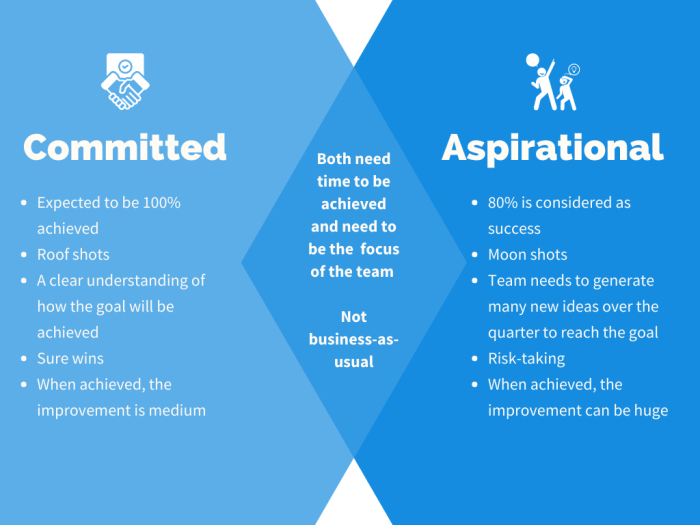
Source: weekdone.com
Beneath the surface of human achievement lies a fascinating duality between the quiet, steady climb of self-betterment and the violent, beautiful lightning strike of sudden genius. Every human endeavor is shaped by this delicate tension, where the long march of ambition meets the unpredictable arrival of the muse. Navigating this landscape requires a deep look into the mechanics of the mind, the echoes of history, and the modern misunderstanding of how breakthroughs actually happen.
The pursuit of future achievements is governed by deep-seated psychological frameworks, most notably self-determination theory and intrinsic motivation. When individuals map out long-term trajectories, the prefrontal cortex engages in complex executive functioning, plotting milestones that satisfy psychological needs for autonomy, competence, and relatedness. This internal engine is fueled by delayed gratification, sustained by the dopaminergic pathways that reward incremental progress toward a distant horizon.
Conversely, ephemeral flashes of muse-driven insight operate through entirely different neurological real estate. Sudden artistic or intellectual breakthroughs light up the default mode network and the right hemisphere’s superior temporal gyrus, the exact regions associated with associative thinking, metaphor resolution, and unconscious incubation. While the former represents a marathon of endurance powered by steady neurochemical regulation, the latter is a sudden electrical storm, a swift realignment of neural networks that brings disparate ideas into startling, coherent focus.
Historical balancing acts of ambition and brilliance
History offers profound testimony to the coexistence of relentless goal-pursuit and unexpected flashes of brilliance. Consider the trajectory of Marie Curie, whose painstaking, methodical laboratory routines spanned decades of rigorous scientific aspiration. Yet, her most monumental breakthroughs—such as the isolation of radium—often arrived as sudden conceptual leaps following periods of intense, exhaustive experimentation where the conscious mind relinquished control. Similarly, Ludwig van Beethoven filled countless notebooks with obsessive, grinding revisions of musical themes, representing the absolute peak of structured ambition.
However, accounts of his creative process reveal that his most transcendent melodic motifs frequently struck him instantly during solitary walks, bypassing the laborious drafting process entirely. These historical precedents illustrate that genius is rarely a pure accident or a purely mechanical output; it is the friction created when steady ambition prepares the mind to catch lightning in a bottle.
To fully grasp how these two forces manifest across different domains, the following comparative breakdown Artikels their core characteristics:
| Dimension | Aspiration (Internal Drive) | Inspiration (Sudden Spark) |
|---|---|---|
| Primary Temporal Focus | Future-oriented, spanning years or decades. | Present-moment intensity, instantaneous. |
| Neurological Engagement | Prefrontal cortex, executive control networks. | Default mode network, intuitive associative zones. |
| Operational Pace | Incremental, methodical, habit-driven. | Disruptive, nonlinear, revelatory. |
Societal misinterpretations of striving and visitation
Modern culture frequently stumbles in recognizing where persistent striving ends and sudden muse visitation begins. Contemporary productivity narratives tend to romanticize the lightning strike while demonizing or ignoring the grueling, unglamorous groundwork required to make that strike meaningful. Society often expects constant, uniform output, mistakenly treating creative epiphanies as commodities that can be scheduled on a corporate calendar. This fundamental misunderstanding creates chronic burnout, as individuals attempt to force organic neurological incubations through sheer willpower alone.
True mastery occurs not when we wait passively for the muse, nor when we force the mind to break, but when we build a sturdy vessel of ambition resilient enough to weather the sudden storm of inspiration.
Recognizing the distinct roles of both forces allows for a healthier approach to personal and professional evolution, acknowledging that sustainable growth relies on honoring both the patient architect and the sudden lightning thief within the human psyche.
Society often confuses the agonizing climb of goal-setting with the weightless flight of sudden creative awakening.: Aspiration Vs Inspiration
Modern culture frequently blurs the boundary between the methodical architecture of long-term achievement and the electric, unpredictable flash of muse-given clarity. This pervasive cultural misunderstanding forces individuals to navigate a labyrinth of expectations where they mistakenly classify their deeply calculated career targets as spontaneous artistic revelations. Understanding this psychological phenomenon requires examining the friction between structured endurance and involuntary cognitive lightning.
Individuals frequently mislabel their profound occupational targets as mere artistic epiphanies due to a deeply ingrained cultural defense mechanism against the fear of stagnation. When professionals invest years into meticulously planned career trajectories—such as scaling the corporate ladder to secure an executive vice presidency or spending a decade mastering corporate law to achieve partnership—they desperately need to feel that this agonizing, linear climb is infused with magic.
Society teaches us that true success should feel passionate, effortless, and divinely ordained, much like the sudden strokes of genius that define legendary painters or visionary architects. Consequently, when a person finally secures that corner office or hits a major financial benchmark, they project a romanticized narrative onto their achievement, calling it an epiphany of purpose rather than what it actually is: the brutal, mathematical accumulation of thousands of grueling, unglamorous work hours.
By framing a strategic career milestone as a sudden artistic awakening, individuals attempt to mask the mundane fatigue of relentless ambition with the glossy, socially approved veneer of creative enlightenment. This mislabeling serves as a psychological shield, transforming cold spreadsheets, late-night emails, and sacrifice into a romantic masterpiece of personal destiny.
Cognitive Dissonance in Professional Milestones
The human mind experiences profound cognitive dissonance when long-range career milestones fail to evoke the same emotional rush as a sudden sunset or a fleeting burst of poetic inspiration. Reaching a major professional summit often triggers a hollow deflation rather than sustained euphoria, leaving individuals stranded between the person they had to become to succeed and the authentic self they neglected along the way.
Consider the real-life case of high-performing tech founders who orchestrate massive corporate acquisitions; upon reaching the finish line, many report an unexpected numbness rather than ecstasy. This psychological disconnect occurs because structured ambition operates on a dopamine loop of anticipation and relief, whereas true inspiration operates on a neurochemical wave of awe and present-moment integration. When the anticipated career pinnacle arrives and fails to sing the way a sudden creative breakthrough does, the resulting internal friction forces individuals to question the very architecture of their adult lives.
The following visual description captures the stark psychological contrast experienced during these moments:
An exhaustive corporate board meeting room bathed in the sterile, flickering glow of fluorescent lights, where an exhausted executive stares blankly at a glowing financial spreadsheet showing record annual profits. The man sits motionless in a leather ergonomic chair, surrounded by binders and lukewarm coffee cups, feeling an overwhelming emptiness while outside the towering glass window, a brilliant, blazing sunset paints the sky in vibrant strokes of magenta and gold, a fleeting moment of natural wonder that he is too emotionally depleted to appreciate.
Navigating this internal fracture requires acknowledging that career structures are built for survival and status, while sudden mental illuminations are built for transcendence. Recognizing this distinction prevents the dangerous trap of measuring the worth of a hard-earned career by the poetic metrics of a lightning-fast epiphany.
Comparative Analysis of Achievement Dynamics
Evaluating the fundamental differences between structured ambition and sudden creative awakenings requires a comprehensive structural breakdown of their operational mechanics, physiological tolls, and recovery cycles.
The comparative matrix below details the core operational differences between these two distinct human experiences, outlining their structural realities and psychological impacts.
| Phenomenon | Structural Markers | Temporal Duration | Emotional Cost | Recovery Periods |
|---|---|---|---|---|
| Goal-Setting Ambition | Linear metrics, KPIs, milestones, strategic planning, quantifiable benchmarks. | Years, decades, sustained multi-phase execution cycles. | High chronic stress, burnout, strained relationships, identity erosion. | Extended sabbaticals, lifestyle restructuring, therapeutic intervention. |
| Creative Awakening | Spontaneous epiphanies, conceptual clarity, intuitive leaps, sensory alignment. | Seconds, minutes, brief flashes of intense psychological insight. | Brief disorientation, existential vertigo, sudden vulnerability. | Short grounding exercises, physical rest, immediate artistic integration. |
Analyzing these parameters demonstrates why applying the expectations of one domain to the reality of the other consistently results in psychological distress.
Societal Glorification of Relentless Drive
Cultural conditioning heavily promotes relentless ambition while systematically overlooking the vital necessity of passive receptivity to sudden mental illumination. Modern economic systems rely on continuous productivity, viewing deliberate goal-setting as a virtue and quiet contemplation as a liability. This systemic bias creates an environment where individuals feel unwarranted guilt whenever they step off the treadmill of ambition to simply observe, wait, and allow inspiration to find them.
Several underlying cultural mechanisms drive this relentless prioritization of hustle over receptivity:
- Economic frameworks reward quantifiable output and visible metrics of success, rendering invisible internal shifts culturally invalid.
- Media narratives romanticize the grind culture archetype, portraying constant struggle as the sole prerequisite for moral and professional worth.
- Institutional education systems train minds to climb predefined ladders rather than cultivating the stillness required for creative breakthroughs.
- Social validation algorithms amplify public achievements while offering zero engagement for quiet contemplation or psychological incubation.
Embracing a balanced human experience requires dismantling the cultural shame associated with pausing the climb. True holistic growth emerges not from an endless march up a mountain of targets, but from possessing the courage to pause, look around, and let the sudden, weightless flight of inspiration guide the next purposeful step forward.
The anatomy of persistent striving reveals a structured roadmap built upon grit sacrifice and deliberate milestone tracking.
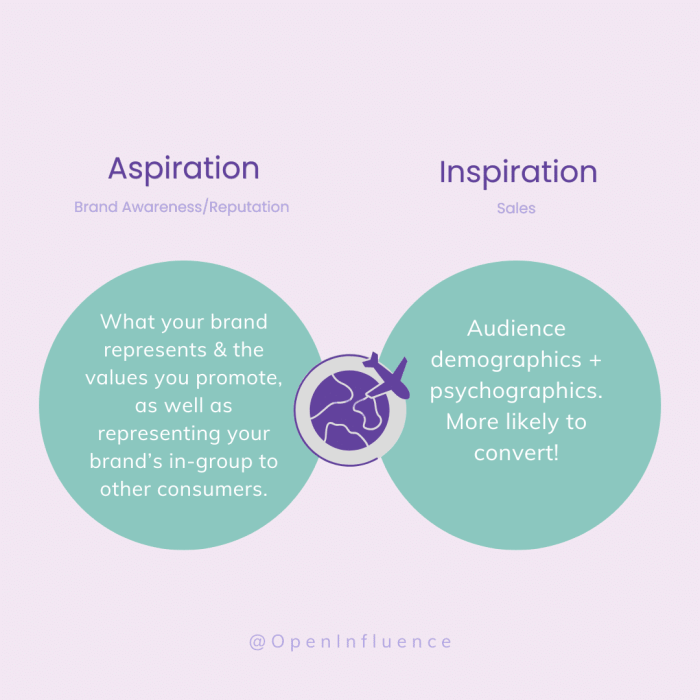
Source: openinfluence.com
Achieving distant horizons requires more than fleeting motivation; it demands a rigorous, systematic architecture designed to withstand the erosion of time and resistance. When navigating the complex terrain of multi-year personal evolution, individuals must construct a scaffolding of daily disciplines that transform abstract ambitions into tangible reality. This process operates much like an industrial engine, converting raw effort into sustained forward momentum through carefully calibrated mechanical inputs and structural safeguards.
Maintaining relentless forward momentum toward distant horizons involves engineering a systematic framework where daily execution supersedes emotional readiness. The foundation rests upon meticulous strategic planning, wherein macro-level visions are systematically dismantled into micro-level operational targets. This methodology requires establishing a quantifiable baseline of current capabilities and mapping out progressive iterations of skill acquisition, resource allocation, and behavioral modification. By anchoring daily routines to uncompromising operational standards, individuals remove the friction of decision fatigue.
Execution becomes an automated reflexive response rather than a daily negotiation with comfort. Furthermore, implementing rigorous feedback loops ensures that tactical adjustments occur in real-time, preventing minor deviations from compounding into major trajectory failures over extended periods of time. The architecture of endurance thrives on this interplay between unyielding macro-vision and hyper-flexible micro-execution, creating a resilient conduit for continuous progress across years of dedicated application.
Systematic procedures for maintaining relentless forward momentum
Navigating the long expanse of ambitious pursuits exposes the human mind and body to profound physiological strain, particularly when the pursuit of excellence spans decades rather than months. Prolonged exposure to high-stakes environments triggers a continuous activation of the hypothalamic-pituitary-adrenal axis, resulting in the chronic release of glucocorticoids such as cortisol. Sustained elevation of cortisol fundamentally alters systemic homeostasis, degrading immune function, impairing metabolic efficiency, and shrinking hippocampal volume, which directly impacts memory consolidation and emotional regulation.
Over extended periods, this biochemical wear and tear manifests as chronic fatigue, cardiovascular vulnerability, and systemic inflammation. Recognizing these biological realities is essential for anyone engaged in long-term striving, as ignoring the physical cost of relentless ambition inevitably leads to catastrophic biological burnout and irreversible performance decline.
To counteract the systemic toll of chronic striving and mitigate physiological burnout during decades of exhaustive personal development, individuals must intentionally implement structured recovery protocols. The following targeted interventions serve as vital biological counter-measures against the insidious creep of exhaustion.
- Prioritizing non-negotiable nocturnal sleep cycles lasting between seven and nine hours to facilitate glymphatic clearance of metabolic waste products from neural tissues.
- Integrating structured micro-breaks throughout the operational day utilizing physiological sigh techniques to down-regulate sympathetic nervous system arousal.
- Scheduling periodic, complete disengagement phases or strategic sabbaticals every quarter to allow neuroendocrine reset and prevent chronic allostatic load accumulation.
- Employing targeted nutritional strategies rich in omega-3 fatty acids and adaptogenic compounds to buffer the inflammatory cascades associated with high-stress performance.
Transforming aspirations into permanent character traits requires profound neurobiological adaptation, a phenomenon governed by the principles of neuroplasticity and habit formation over multi-year timelines. When a specific behavior is repeated within a stable context, it initiates a cellular dance within the basal ganglia, transitioning behavioral control from the energy-intensive prefrontal cortex to the automated procedural memory networks. Initially, synaptic transmission relies on temporary biochemical adjustments, but sustained, multi-year execution triggers structural remodeling.
Dendritic branching increases, synaptic density thickens, and myelin sheaths surrounding neural pathways become progressively robust, effectively insulating the neural circuits responsible for the desired habit. This structural reinforcement reduces metabolic energy expenditure during execution, allowing the brain to execute complex routines with remarkable speed and minimal conscious oversight. Consequently, the multi-year trajectory of habit formation permanently rewires the physical architecture of the central nervous system, turning deliberate sacrifice into an intrinsic biological baseline.
“Excellence is not an isolated act of sudden brilliance, but the cumulative structural integrity of millions of microscopic neurobiological adjustments forged through disciplined repetition.”
The visual representation of this multi-year neuroarchitectural transformation manifests as a highly detailed, cross-sectional microscopic view of the human brain. The illustration highlights the dense, luminous network of myelinated axonal pathways connecting the prefrontal cortex to the basal ganglia, glowing in brilliant hues of electric blue and gold against a dark, contrasting background. In the early stages of the timeline, the pathways appear sparse and fragile, surrounded by diffuse, hazy electrical activity indicating high cognitive friction.
While chasing goals through sheer will often defines relentless ambition, true creative awakening unfolds by way of introduction to sudden, illuminating sparks. This vital shift transforms hard work from a heavy burden into a glowing beacon of possibility, proving that balancing quiet inner drive with vibrant external wonder is the ultimate key to lasting personal triumph.
As the timeline progresses toward the multi-year mark, these pathways thicken dramatically into dense, hyper-connected bundles of brilliant white matter, symbolizing the permanent structural hardening of disciplined habits into the biological fabric of the mind.
Sudden mental lightning strikes transform mundane routines into extraordinary bursts of uncalculated creative fervor.
There are moments when the human mind shifts gears without warning, leaping from the dull machinery of habit into the electric atmosphere of pure innovation. This unpredictable combustion occurs not through rigorous planning, but when the subconscious mind suddenly aligns with the right external catalyst. A quiet afternoon can fracture into a brilliant cascade of ideas, proving that creative breakthroughs often bypass the conscious gatekeepers of thought entirely.
Environmental triggers act as master keys to the vaults of the subconscious mind, unlocking chambers of dormant potential that daily pressures normally keep tightly sealed. When a person walks through a rain-slicked street, watches light refract through a glass of water, or inhales the distinct aroma of old paper, sensory data bypasses rational analysis and plunges straight into emotional and imaginative reservoirs.
This unexpected penetration happens because human brains constantly scan the surroundings for patterns, meaning, and metaphorical resonance. A stray sound or a sudden shift in temperature can act as a cognitive shockwave, dismantling rigid mental frameworks and allowing buried memories, suppressed emotions, and unexpressed concepts to collide. This subterranean collision generates a massive release of cognitive energy, forcing the individual out of passive consumption and directly into an active state of brilliant, unfiltered creation.
The environment ceases to be a passive backdrop and instead becomes an active collaborator, whispering solutions to problems the conscious mind had long since abandoned.
Historical sensory deprivation practices, Aspiration vs inspiration
Long before modern psychology mapped the corridors of the human mind, ancient thinkers understood that reducing external noise was the ultimate prerequisite for profound discovery. Historical records show that visionaries across various traditions deliberately stripped their immediate surroundings of distractions to invite unexpected epiphanies into their daily existence. By starving the senses of trivial data, these seekers forced their internal landscapes to expand, turning silence and solitude into fertile ground for genius.
While chasing lofty dreams often sparks inner fire, turning raw ambition into reality demands grounded dedication. In the modern workplace, this transition shines brightest through steadfast professionalism in hr , anchoring corporate values in daily trust. Ultimately, when quiet sparks meet purposeful action, every individual finds the true momentum needed to elevate their greatest goals.
Ancient Greek philosophers like Pythagoras reportedly spent extended periods in secluded, pitch-black caves to sharpen their intellectual and spiritual clarity. Similarly, Zen Buddhist monks practiced prolonged seated meditation facing blank white walls, an intentional removal of visual stimulation designed to quiet the chattering ego and welcome sudden flashes of enlightenment, known as satori. In the deserts of the Middle East, early Christian ascetics embraced radical isolation in barren cells, stripping away human speech, rich foods, and vibrant colors to achieve a heightened state of visionary awareness.
These historical techniques operated on a singular, powerful neurological principle: when the eyes and ears are starved of superficial inputs, the brain redirects its vast computational power inward, transforming internal whispers into roaring epiphanies that permanently alter human philosophy, art, and science.
The intentional withdrawal from sensory clutter yields distinct cognitive shifts, as Artikeld in the historical record of contemplative traditions:
- Total visual confinement eliminates chromatic and spatial distractions, forcing the cerebral cortex to process abstract spatial and philosophical concepts with intensified focus.
- Acoustic isolation muffles the cacophony of daily existence, allowing the mind to tune into subtle internal rhythms and synthesize complex thoughts without interruption.
- Tactile minimization, achieved through fasting or wearing rough, unadorned garments, detaches the consciousness from physical vanity and bodily discomfort, redirecting energy toward mental synthesis.
The quiet mind is not an empty vessel, but a darkened room where the projector of the subconscious finally casts its hidden films upon the wall.
Daily domestic chores possess a deceptive rhythm that lulls the logical intellect into a state of passive compliance, thereby opening the door for extraordinary artistic visions to slip past our mental defenses. When the body engages in repetitive, low-stakes physical labor, the ego relaxes its grip, allowing profound aesthetic breakthroughs to emerge from the most unlikely corners of household management.
Everyday domestic scenarios frequently serve as accidental incubators for high-level artistic breakthroughs:
- Washing dishes by hand transforms the monotonous splashing of warm water and suds into a hypnotic metronome, freeing the mind to construct complex narrative arcs or melodic progressions.
- Folding freshly laundered linens creates a tactile geometry of alignment and symmetry that has historically triggered sudden visual compositions in painters and textile designers.
- Raking autumn leaves in a quiet backyard offers a steady, rhythmic physical engagement that allows poets to stumble upon elusive rhyming schemes and powerful metaphors.
- Kneading heavy bread dough provides a visceral, physical outlet that frequently clears mental blockages for sculptors and architects struggling with spatial structural challenges.
These muse-driven moments possess a notoriously fleeting lifespan, evaporating like morning mist the moment the conscious mind attempts to seize and cage them in tangible mediums. Capturing a sudden bolt of inspiration requires a delicate balance of speed, intuition, and technical mastery, yet the translation from abstract thought to physical reality often dilutes the raw power of the original vision.
A painter might rush to the canvas only to find that the precise shade of light existing in the mind’s eye refuses to mix correctly on the palette, or a writer might sit down at the keyboard only to watch the brilliant cadence of a newly discovered phrase dissolve into clumsy syntax. This inherent friction between inspiration and execution highlights the tragic fragility of human creativity.
The mind operates at the speed of electricity, while physical mediums—whether clay, ink, or digital code—require the agonizing friction of physical labor to shape. Consequently, creators must train themselves to become lightning rods, developing habits of immediate capture, such as scribbling frantic notes on napkins or recording voice memos in the dark, to preserve the ghosts of those brilliant epiphanies before the relentless tide of daily consciousness washes them away forever.
Navigating the delicate balance between pushing forward relentlessly and waiting passively for divine intervention determines creative survival.

Source: grammarist.com
Mastering the art of creation requires an intricate dance between the heavy machinery of relentless effort and the ethereal surrender to sudden breakthroughs. Creators frequently find themselves trapped in a false dichotomy, believing they must choose exclusively between the grueling march of disciplined routines and the weightless, unpredictable descent of spontaneous genius. Sustained achievement in any artistic or intellectual discipline demands the seamless integration of these opposing forces, where rigorous groundwork prepares the fertile soil for unexpected seeds of insight to take root.
The survival of any serious practitioner hinges upon their capacity to transition fluidly from the architectural phase of execution to the receptive phase of observation. When the structured framework of daily striving meets the unpredictable current of external inspiration, a resilient creative ecosystem emerges, protecting the maker from both burnout and stagnation.
Harmonizing Rigorous Daily Discipline with Moments of Surrender to Sudden Inspiration
The daily reality of professional creators requires an unwavering commitment to structural output, establishing sacred hours where grit and milestone tracking override the fickle nature of mood. Practitioners sit at their desks, paint canvases, or draft code regardless of whether the atmospheric pressure of inspiration is high or low. This mechanical persistence builds the neural pathways and technical proficiency necessary to execute complex visions when they finally materialize.
Yet, over-reliance on sheer willpower often leads to cognitive fatigue and brittle, uninspired results, necessitating a deliberate counter-balance of radical surrender. Creators must cultivate the psychological agility to step back from the workbench, quieting the inner taskmaster to allow subconscious processing to take over. This delicate oscillation means treating the schedule as a container rather than a prison, ensuring that when a sudden flash of insight illuminates the mind, the practitioner possesses both the technical mastery to capture it and the situational openness to let it transform their original design.
Historical examples, such as Thomas Edison’s structured invention factories paired with moments of quiet contemplation, or writer Maya Angelou maintaining strict daily writing rooms while remaining attuned to emotional epiphanies, demonstrate that operational rigor and receptivity are complementary allies rather than bitter enemies.
While chasing goals fuels ambition, profound moments truly ignite the soul. Recent urban developments showcase this dynamic shift, notably the henry urban resort , where sleek architecture meets tranquil green sanctuaries. Ultimately, purposeful striving paves the path, but awe-inspiring environments awaken the limitless potential residing quietly within us all.
Achieving this synchronization involves recognizing distinct operational phases that safeguard the creator against professional collapse while maximizing unexpected discoveries.
| Operational Mode | Risk Factors | Mitigation Strategies | Optimal Environments | Measurement Metrics |
|---|---|---|---|---|
| Rigorous Discipline | Creative burnout, emotional numbness, mechanical output | Scheduled pauses, variety in tasks, mandatory rest windows | Isolated studio, distraction-free desk, minimalist design | Word counts, completed canvases, hours logged, commits made |
| Surrender to Inspiration | Chronic procrastination, loss of momentum, unfinished projects | Setting strict time limits for dreaming, capturing ideas immediately | Nature walks, art galleries, unstructured communal spaces | Novelty index, conceptual breakthroughs, emotional resonance |
Psychological Profile of Individuals Uniting Tireless Ambition with Serendipitous Creativity
Individuals who successfully bridge the chasm between relentless drive and effortless reception typically exhibit a rare constellation of personality traits rooted in high openness to experience and robust emotional resilience. They possess an internal locus of control that fuels their ambition to map out ambitious, long-term goals while simultaneously maintaining a profound tolerance for ambiguity. This psychological duality allows them to invest deeply in meticulous planning without falling victim to frustration when external circumstances or sudden creative impulses demand a complete redirection of their strategy.
Furthermore, these resilient practitioners demonstrate high mindfulness, enabling them to recognize subtle shifts in their environment and internal landscape that others might dismiss as distractions. By balancing high conscientiousness with flexible thinking, they construct robust containers of discipline that are porous enough to let unexpected lightning strike without destroying the entire structure.
Philosophical Reflections on Human Agency and External Divine Sparks
The eternal friction between human will and external grace has occupied thinkers for centuries, highlighting the paradox inherent in bringing novel ideas into physical reality. Great minds have consistently grappled with whether their greatest works were forged by the hammer of personal sweat or whispered by the breath of the cosmos.
“In framing a work, the human will acts as the architect laying the heavy stones, yet the sudden light that illuminates the finished hall always feels as though it arrived from an untamable sky.”
This enduring tension reminds creators that while discipline is entirely within their sphere of control, the spark of genius remains an unearned guest, requiring a delicate balance of diligent preparation and humble hospitality.
“We labor daily to build the vessel with our own hands, knowing full well that no amount of carpentry can summon the wind; we can only ready the sails and wait.”
Environmental architecture plays a silent yet monumental role in shaping whether an individual strives for greatness or waits for awakening.

Source: successtopic.com
Spaces dictate the cadence of human cognition long before a conscious decision to work or create is ever formed. The physical boundaries of a room operate as silent directors of focus, subtly steering the human psyche toward relentless execution or quiet, receptive contemplation. Every desk, wall, and corridor holds the power to accelerate ambition or invite the sudden flash of inspiration.
Physical workspaces dictate the psychological predisposition toward relentless goal-chasing or artistic receptivity through subtle spatial cues and structural constraints. When individuals sit within cramped, rigidly partitioned cubicles characterized by low ceilings and linear confinement, their brains naturally enter a hyper-focused state associated with task execution and analytical closure. This architectural condition triggers a localized cognitive mode, prioritizing immediate problem-solving, metric tracking, and linear progression.
Conversely, expansive rooms featuring high ceilings and undulating layouts stimulate relational thinking and divergent exploration. Empirical environmental psychology research demonstrates that vertical space enhances conceptual processing, making individuals more prone to lateral thought and unexpected creative connections. The layout acts as a physical mold, pressing the mind either into the hard edges of disciplined ambition or the fluid boundaries of open-ended imagination.
Architectural design principles fostering quiet contemplation versus aggressive task execution
Architects utilize specific geometry, material palettes, and spatial zoning to manipulate human output and emotional states. The deliberate selection of building elements dictates whether an occupant feels driven to conquer a checklist or drift into a state of imaginative surrender. Analyzing these foundational design rules reveals how built environments govern human productivity.
- Spatial compactness and rectilinear geometries concentrate cognitive focus, utilizing enclosed boundaries and high-density desk arrangements to eliminate peripheral distractions and enforce steady milestone tracking.
- Acoustical dampening materials and muted, neutral color palettes reduce sensory stimulation, creating a subdued atmosphere that rewards continuous, uninterrupted operational labor.
- Expansive volume and fluid, organic floor plans encourage cognitive wandering, replacing rigid corridors with open zones that invite unrestrained mental exploration and artistic risk-taking.
- Textured, tactile natural materials paired with asymmetrical layouts disrupt monotonous visual patterns, signaling to the brain that the environment welcomes unorthodox ideas and spontaneous epiphanies.
Empirical observations on natural lighting and spatial openness altering mental breakthroughs
Natural light and spatial expanse serve as physiological catalysts that directly alter neurological activity and the frequency of sudden mental breakthroughs. Architectural studies conducted in modern corporate and academic campuses consistently indicate that daylight exposure regulates circadian rhythms while simultaneously boosting serotonin production, which enhances cognitive flexibility. When rooms incorporate floor-to-ceiling glass and unhindered sightlines, occupants experience a documented surge in alpha brain wave activity, a state closely correlated with unforced creative insight.
Spatial openness prevents the claustrophobic accumulation of cognitive fatigue, allowing the brain to unconsciously synthesize disparate data points. Notable examples include modern technology campuses designed with vast, sunlit atrium hubs, where software engineers and designers frequently experience sudden conceptual epiphanies while transitioning between open collaborative zones and sun-drenched breakout corners.
Psychological degradation caused by sterile corporate interiors suppressing striving and creativity
Sterile corporate environments inflict measurable psychological damage on their inhabitants, systematically eroding the psychological safety required for both rigorous striving and genuine creative epiphanies. Monotonous rows of fluorescent-lit beige cubicles, synthetic carpets, and sealed windows create a sensory deprivation chamber that flatlines emotional engagement and stifles intrinsic motivation. This phenomenon, often termed architectural alienation, breeds chronic fatigue, apathy, and a profound sense of disconnection from one’s labor.
Without visual variation, natural air movement, or connection to the external world, the human brain enters a defensive state of conservation, shutting down high-level executive functioning and imaginative risk-taking.
Spatial monotony acts as a silent sedative for the human spirit, gradually replacing the fire of ambition and the spark of invention with a numbing mechanical compliance.
While ambition chases distant goals, true inner sparks ignite when we witness greatness in action, especially within a vibrant family culture where shared values shape our daily habits. News reports often highlight self-made success, yet deeply rooted household traditions quietly build the resilient mindset needed to transform lofty personal dreams into reality every single day.
Organizations that rely on uniform, uninspired interiors routinely witness diminished innovation metrics and higher rates of burnout, proving that physical neglect of the workspace directly mirrors a neglect of human potential.
Future generations will redefine these twin psychological pillars as technology blurs the line between human striving and algorithmic dreaming.
As civilization steps further into the horizon of hyper-connected digital ecosystems, the ancient boundaries separating human willpower from machine computation begin to dissolve. The architecture of ambition and the sudden spark of creative insight no longer belong exclusively to the biological mind, challenging humanity to reevaluate the very essence of achievement.
Artificial intelligence fundamentally reshapes the human capacity to establish authentic personal targets by offering data-driven self-reflection that was previously unimaginable. Predictive models analyze daily psychological rhythms, cognitive fatigue levels, and historical productivity patterns to help individuals calibrate their long-term goals with surgical precision. However, this algorithmic optimization creates a subtle tension between statistical probability and genuine human desire. When machine learning algorithms suggest the most efficient path toward career milestones or creative milestones, the organic friction of trial and error risks being engineered away.
True personal striving relies heavily on the formative agony of miscalculated steps and unexpected failures. Without this friction, the authenticity of the target risks becoming manufactured by code rather than discovered through lived experience. Simultaneously, organic creativity encounters a synthetic mirror. Generative models ingest vast archives of human culture, producing breathtaking artistic epiphanies within milliseconds. This mechanical fluency forces a profound reckoning with how society perceives the genesis of a masterpiece, shifting the value proposition from the final aesthetic artifact to the emotional endurance required to bring it into existence.
Philosophical Dilemmas of Synthetic Epiphanies
The rapid evolution of synthetic creativity introduces deep existential paradoxes that challenge traditional aesthetics and human purpose. When generative systems produce awe-inspiring artistic epiphanies devoid of emotional suffering, joy, or mortal stakes, the cultural valuation of art undergoes a radical destabilization. Observers find themselves captivated by canvases and symphonies born from cold mathematics rather than lived trauma or triumphant perseverance.
This disconnect severs the traditional empathy bridge between the creator and the audience. Historically, the value of a masterpiece rested substantially on the artist’s sacrifice and psychological investment. Synthetic epiphanies dismantle this paradigm, suggesting that profound beauty can exist entirely independent of sentient experience. Philosophers argue that while algorithms can successfully simulate the stylistic markers of genius, they lack the phenomenological weight of consciousness.
Consequently, society faces a growing sense of alienation, questioning whether emotional resonance matters if a machine-generated composition evokes the exact same neurological tear or smile. This dilemma extends into the realm of personal striving, where individuals begin to measure their organic achievements against the flawless, effortless output of automated systems, leading to a pervasive crisis of human inadequacy.
Educational Shifts in Ambition and Inspiration
Preparing the next generation for a world intertwined with artificial intelligence requires a fundamental redesign of pedagogical frameworks. Educational institutions must teach students how to consciously separate the mechanical processing of ambition from the transcendent awakening of inspiration. The following structured shifts Artikel how tomorrow’s classrooms will adapt to this dual reality:
- Curriculums will prioritize emotional resilience over mere task completion, teaching students to value the psychological endurance required for long-term goal setting in an era of instant algorithmic gratification.
- Schools will incorporate critical media literacy programs that dissect synthetic artistic output, helping children recognize the difference between calculated digital mimicry and authentic human creative epiphanies.
- Teachers will transition from traditional evaluators of correctness to facilitators of existential inquiry, encouraging students to explore the philosophical implications of human versus machine striving.
- Learning environments will integrate collaborative problem-solving models where students utilize artificial intelligence as a mirror for strategy while reserving the emotional weight of decision-making for themselves.
Educational reformers note that children must learn to treat algorithmic suggestions as navigational tools rather than absolute maps for their lives. By understanding the mechanical nature of automated optimization, students retain ownership over their personal ambitions.
Evolutionary Trajectory of Human Consciousness
The transition into hyper-connected digital ecosystems marks a monumental chapter in the evolutionary trajectory of human consciousness. As neural interfaces and ambient intelligence weave themselves into the fabric of daily existence, the individual ego expands beyond biological confines. People no longer strive in isolation; instead, their personal ambitions synchronize with collective neural networks, blurring the lines between autonomous thought and shared processing.
This interconnected paradigm fosters a hybridized form of awareness, where organic intuition merges seamlessly with machine intelligence. Historical transitions, such as the shift from agrarian societies to industrial landscapes, fundamentally rewired human cognitive processing regarding time, labor, and community. Similarly, the digital ecosystem transforms consciousness by externalizing memory, calculation, and even pattern recognition, leaving human beings to cultivate uniquely emotional and ethical dimensions of existence.
Within this hyper-connected framework, the capacity for awe and sudden creative breakthroughs evolves from an internal biological mystery into a collaborative dialogue between human intuition and synthetic imagination. Societies of the future will measure progress not merely by technological sophistication, but by the ability of human consciousness to retain its profound sense of wonder, purpose, and emotional depth amidst the endless hum of algorithms.
True creative survival in a digital age depends upon preserving the sacred friction of human struggle against the frictionless tide of automated perfection.
Final Summary

Source: helpfulprofessor.com
Navigating the complex interplay between relentless personal striving and the sudden, breathless arrival of creative awakening is the ultimate masterclass in human potential. By honoring both the structured roadmap of our deepest ambitions and the quiet, sacred spaces that invite unexpected epiphanies, we unlock a richer, more resilient path forward. Ultimately, true fulfillment rests not in choosing one force over the other, but in harmonizing the heavy hammer of discipline with the gentle, illuminating spark of the human spirit.
