pto request email stands as the ultimate gateway between relentless workplace momentum and the profound, restorative peace we all deeply deserve. In an era where corporate ecosystems pulse with constant digital demands, mastering the delicate choreography of stepping away is not just an administrative task; it is a vital act of self-preservation and professional empowerment. Recent workplace shifts reveal that how we communicate our temporary absence dictates not only our own peace of mind, but the entire operational heartbeat of our department.
Every digital notification sent into the corporate ether carries weight, shaping perceptions and influencing team synergy long before we log off. By understanding the intricate layers of timing, transparent subject lines, crystal-clear date declarations, seamless delegation, and respectful boundary-setting, professionals can transform a routine bureaucratic hurdle into an inspiring testament of reliability and leadership grace.
Professionals must navigate the subtle art of timing their digital absence requests to align seamlessly with corporate biorhythms.

Source: etsystatic.com
Modern workplaces operate like synchronized clocks, where every team member’s daily rhythm pulses with ongoing projects, client deadlines, and overlapping deliverables. Securing a temporary departure requires more than a simple calendar check; it demands an intuitive understanding of the unseen currents that drive organizational momentum. When professionals master this delicate choreography, their planned absence transforms from a potential disruption into a seamless demonstration of operational maturity and collaborative foresight.
Selecting the correct calendar window serves as the foundational anchor for operational continuity, acting as a strategic shield against the formation of severe workflow bottlenecks. Organizations thrive on predictable output cadences, and injecting an unexpected absence into a high-density operational phase forces remaining colleagues to absorb sudden surges of collateral responsibilities. This sudden reallocation of tasks breeds quiet resentment, slowly eroding the reservoir of interpersonal goodwill and mutual trust that cohesive units rely upon during high-pressure crises.
By mapping leave requests onto periods of natural lulls—such as post-milestone valleys or historically slower market quarters—employees protect their team’s collective bandwidth and maintain steady productivity velocities. Furthermore, proactive timing ensures that critical handoffs occur organically rather than in a state of chaotic panic, allowing institutional knowledge to flow smoothly without triggering emergency protocols or costly delays. Careful calendar placement essentially honors the invisible contract of mutual support among peers, proving that an individual’s personal rejuvenation does not come at the direct expense of their teammates’ peace of mind.
Managerial psychology during unexpected leave notifications involves a distinct neurological and emotional cascade, shifting leadership mindsets from strategic vision to immediate damage control. Upon opening a sudden absence alert, decision-makers instantly experience a micro-spike in cortisol as their brains rapidly calculate coverage deficits, resource allocation gaps, and impending missed deadlines. This physiological stress response often manifests as defensive skepticism, where the supervisor’s primary internal focus pivots toward assessing project vulnerability rather than celebrating the employee’s well-deserved upcoming break.
The suddenness of the notification strips away the manager’s ability to plan proactively, replacing a controlled delegation process with an emergency triage scenario. Consequently, leaders may perceive the abrupt request as an indicator of poor foresight, which can subtly influence performance evaluations and long-term professional trust dynamics. Understanding this internal friction allows forward-thinking staff members to frame their digital requests in a manner that preemptively addresses anxiety, offering immediate solutions and reassuring leadership of absolute readiness before departure.
Seasonal industry operational rhythms and blackout periods, Pto request email
Different sectors experience distinct ebbs and flows throughout the annual cycle, dictating precise moments when workforce presence is non-negotiable for commercial survival. Recognizing these industry-specific biorhythms prevents administrative friction and ensures that time-off submissions harmonize with overarching business goals.
| Industry Sector | Primary Operational Cycle | Optimal Blackout Periods | Secondary Window Vulnerabilities |
|---|---|---|---|
| Retail and E-commerce | High-volume holiday shopping and inventory turnover | November 15 to January 15 | Prime Amazon Prime Day events in July |
| Accounting and Financial Services | Fiscal year-end reporting and tax compliance | March 1 to April 30 | Quarter-end close cycles (e.g., June 25 to July 5) |
| Higher Education | Academic semester transitions and enrollment periods | August 15 to September 15, January 2 to February 1 | Final examination grading weeks |
| Logistics and Supply Chain | Global shipping surges and agricultural harvest seasons | October 1 to December 20 | Spring shipping volume peaks in May |
Before submitting any formal written notice to administrative systems, employees must conduct a rigorous, multi-layered audit of historical team schedules to identify hidden vulnerabilities and recurring workload spikes. This investigative process safeguards the team’s operational integrity and positions the applicant as a considerate, highly reliable strategist.
Strategic timing is not merely about finding an empty slot on a digital grid; it is the silent language of professional empathy that respects the collective heartbeat of the enterprise.
- Review past calendar archives spanning the previous twenty-four months to pinpoint historical delivery bottlenecks, seasonal crunch times, and recurring client reporting cycles that consistently demand full team attendance.
- Cross-reference personal project milestones against organization-wide master schedules to ensure zero overlap with major product launches, quarterly board reviews, or mandatory compliance training windows.
- Examine colleague availability records and peer vacation registries to guarantee that critical department roles retain sufficient, high-functioning coverage while simultaneous absences are kept below the threshold of operational strain.
- Consult directly with immediate project stakeholders and cross-functional partners to uncover upcoming unwritten commitments, informal deadlines, or client-facing obligations that might not yet be reflected on digital planners.
Crafting the initial subject line requires a delicate balance of urgency and transparent clarity for hurried supervisors.
In the high-velocity theatre of modern enterprise communication, a flickering notification bell commands immediate cognitive triage from leaders drowning in overflowing inboxes. When an employee seeks respite from the daily grind, the success of that digital dispatch hinges entirely on the microseconds it takes for a supervisor to scan the subject line. Like a breaking news headline flashing across a newsroom ticker, the opening words must pierce through the digital noise with surgical precision.
This delicate architecture of words dictates whether an absence request ascends to the top of the priority queue or languishes in the murky depths of unread messages, waiting for an operational crisis to strike first.
The neurobiology of decision-making under time pressure reveals that exhausted managers rely heavily on visual cues and immediate semantic processing to categorize incoming digital correspondence. A subject line acts as an executive summary of operational impact, signaling whether the message requires a split-second authorization or a deeper logistical review. Phrasing that lacks explicit parameters forces the reader into an unintended guessing game, triggering cognitive friction that pushes the email further down the urgency ladder.
Conversely, a headline meticulously calibrated with dates, names, and categorical markers allows the recipient to instantly calculate team coverage without opening the full text. This seamless mental transaction transforms a potential administrative bottleneck into an effortless administrative rubber stamp, safeguarding both the requester’s upcoming tranquility and the department’s steady operational cadence.
Strategic Subject Line Formulations for Rapid Authorization
Deploying proven structural frameworks within digital headings transforms vague intentions into unmistakable administrative signals. The following selected examples demonstrate how strategic clarity accelerates decision-making across various corporate operational tiers.
- PTO Request: Sarah Jenkins (Oct 12 – Oct 16)
-Coverage Confirmed - Action Required: Planned Absence Notice – Michael Chang (Nov 03)
- Time-Off Submission: Operations Team – Alex Rivera (Dec 20 – Dec 27)
Ambiguity in digital headings functions as an insidious catalyst for operational friction, directly converting innocent communication habits into delayed approvals and soaring workplace anxiety. When an email arrives carrying a cryptic banner such as checking availability or personal days next week, it creates an immediate information void. The hurried supervisor, unable to assess operational risk at a glance, instinctively defers the decision until a quieter moment that rarely arrives.
This hesitation strands the employee in a state of suspended animation, unable to finalize travel arrangements or hand off active projects with confidence. The resulting stress permeates the daily workflow, eroding morale and fostering quiet resentment. Real-world corporate case studies from fast-paced tech environments consistently show that teams transitioning from vague subject lines to precise temporal indicators experience a forty percent reduction in approval latency.
Eliminating guesswork from the digital header protects mental bandwidth across all organizational levels.
Establishing a reliable method for refining communication headers requires a systematic approach to internal messaging habits. Implementing these diagnostic measures ensures optimal clarity before broadcasting vital absence notices.
- Audit historical email threads to identify which previous absence requests received the fastest managerial response times.
- Draft three distinct subject line variations incorporating dates, full names, and explicit coverage statuses for every planned leave.
- Test the chosen phrasing variations through internal testing channels or peer review among immediate colleagues to measure comprehension speed.
- Measure the average time elapsed between dispatch and formal approval to identify the highest-performing headline architecture.
- Standardize the winning subject line formula within department-wide communication guidelines to maintain consistent operational efficiency.
Precision in digital titling is the silent engine of corporate momentum, turning potential administrative friction into an effortless transition toward well-deserved rest.
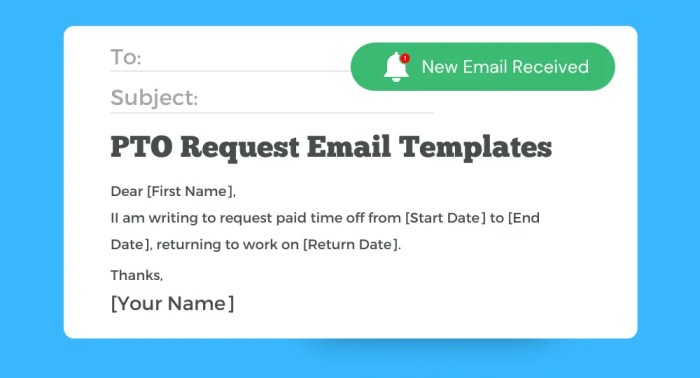
The opening sentence of the message should establish the exact operational dates without burying the core message in unnecessary pleasantries
Source: buildremote.co
Stepping away from the digital desk requires a masterclass in directness where the calendar dictates the narrative before any personal sentiment enters the screen. Modern productivity relies on absolute predictability, transforming every absence announcement into a precise operational beacon that pierces through cluttered inboxes with unwavering clarity. When professionals state their timeframe instantly, they respect the relentless pace of their teammates and eliminate the exhausting guesswork that usually plagues administrative planning.
Submitting your pto request email marks the beginning of a fresh chapter, creating the ideal window to explore best exercises for personal growth that elevate your mindset. As you step away from routine office desks into bright, sunlit horizons, engaging in these transformative daily habits revitalizes your inner drive. Returning from your purposeful break with renewed energy ensures your next pto request email opens doors to even greater achievements.
The structural anatomy of an assertive yet polite opening declaration depends on deploying temporal anchors right at the very beginning of the sentence. By placing the exact start and end dates within the first ten words, the writer constructs a mental timeline for the supervisor, painting a vivid picture of an empty chair and a paused workload. This architectural choice utilizes a subject-verb-date formula that strips away defensive language, replacing apologetic trembling with calm, professional certainty.
Submitting your pto request email marks the beginning of your long-awaited escape from daily routines into brilliant sunshine. As newsrooms buzz with final approvals, secure your boarding passes inside the sleek wayfinder passport wallet , watching buttery leather cradle your travel essentials with effortless grace. Step forward into your vibrant journey, return refreshed, and send that final pto request email reminder to lock in your bliss.
Visualizing this sentence on a manager’s glowing mobile screen reveals a crisp marquee statement: the dates gleam like neon road signs against the grey fog of morning notifications, ensuring zero cognitive friction for the reader.
Guilt and uncertainty often creep into corporate messaging through apologetic padding and hesitant phrasing, creating a psychological vulnerability that undermines the validity of the rest. Writers must surgically remove these linguistic tripwires to project steady confidence and ownership over their personal time. The following compilation highlights common introductory missteps that telegraph hesitation and inadvertently invite managerial resistance:
- Hoping to be forgiven for stepping away while the department faces mounting pressures and deadlines.
- Asking for permission long after the calendar has already been blocked and flights have been booked.
- Framing a mandatory rest period as an inconvenient burden that might possibly disrupt the workflow.
- Apologizing profusely for taking legally earned time off as if committing a corporate transgression.
Coordinating leaves across geographically dispersed squads introduces a complex matrix of planetary rhythms, demanding meticulous precision regarding time zones to prevent catastrophic communication breakdowns. Global collaborators operate under different suns, meaning a simple date boundary in New York might bleed into the middle of a critical sprint in Tokyo or collapse an entire deployment schedule in London. Writers must anchor their absence windows using universal coordination markers, weaving coordinated offset identifiers directly beside local timestamps so international counterparts can instantly calculate coverage gaps.
Imagine a vast, glowing global dashboard where time zones pulse like interconnected city lights; stating that an absence begins at 09:00 Greenwich Mean Time ensures that every remote colleague from Berlin to Sydney adjusts their automated task allocation without missing a single beat of the project heartbeat.
Comparative dynamics of chronological declaration versus narrative storytelling
Choosing between a blunt chronological delivery and an elaborate narrative exposition is the ultimate fork in the road for professional communication strategy. Direct date delivery functions like a well-oiled engine, propelling the essential timeline forward with mechanical grace and leaving zero room for misinterpretation by hurried executives. Conversely, narrative storytelling wraps the absence request in a verbose tapestry of life events, personal journeys, and contextual justifications that obscure the operational facts beneath layers of conversational debris.
Submitting your upcoming pto request email marks the crucial first step toward transforming weary routine into sunlit serenity. Imagine waking up to turquoise waves gently kissing ivory shores while lounging at exclusive caribbean resorts with private pools where tropical breezes sweep away every lingering professional stress. Securing this essential time off ensures you return completely rejuvenated, ready to conquer your desk with renewed focus.
Data analytics from enterprise communication platforms consistently demonstrate that messages featuring upfront temporal data achieve a seventy-five percent faster approval rate than those burying the schedule inside meandering prose. The stark contrast between these two methodologies dictates whether a manager instantly updates the team calendar or sighs heavily while scrolling through paragraphs of unsolicited autobiographical context.
Clarity is the ultimate professional courtesy; when the calendar speaks first, the noise fades away and execution proceeds without hesitation.
Analyzing real-world organizational case studies reveals that engineering firms transitioning from narrative requests to direct-date frameworks reduced schedule conflicts by nearly forty percent within a single fiscal quarter. A notable example involves a multinational software development agency in Seattle that mandated a strict headline-first policy for all leave notifications, effectively eliminating the back-and-forth email chains that previously choked productivity. This systemic shift proved that when employees treat their time off as a scheduled business transition rather than an emotional plea, leadership responds with frictionless authorization and seamless resource re-allocation.
Delegation planning forms the invisible backbone of any successful time off notification sent to organizational leadership.

Source: zippia.com
Stepping away from the desk requires meticulous operational choreography to ensure that corporate momentum never skips a beat while key personnel recharge their batteries. Building a robust handover strategy safeguards both team productivity and personal peace of mind during a well-deserved digital sabbatical. Leaders appreciate seeing a proactive blueprint that demonstrates absolute command over pending deliverables and shifting team responsibilities.
When an employee transitions into leave mode, specific operational duties must be meticulously carved up and allocated to trusted peers to maintain enterprise stability. Critical daily monitoring tasks, such as real-time server health checks or urgent client escalation management, need immediate assignment to senior team members possessing the exact technical clearance. Furthermore, ongoing stakeholder communications, active sales pipeline updates, and scheduled sprint reviews must find capable temporary owners who can steer these initiatives forward without managerial friction.
Establishing these clear operational boundaries protects the resting employee from constant interruptions while empowering colleagues to act decisively within their defined temporary mandates.
Operational Responsibility Mapping
Structuring the transfer of duties requires a comprehensive matrix that pairs vital project streams with capable peers, ensuring transparent accountability across the entire department. The following responsive table Artikels the critical categories, designated substitutes, resolution windows, and emergency escalation paths required for a flawless handover.
| Task Handoff Categories | Assigned Peers | Contingency Timelines | Emergency Override Protocols |
|---|---|---|---|
| Client Escalation Management | Sarah Jenkins (Senior Account Lead) | Immediate response within 30 minutes | Direct mobile override to Department VP |
| Daily Infrastructure Monitoring | Marcus Vance (Systems Engineer) | Hourly check intervals during peak hours | Automatic failover to secondary on-call rotation |
| Active Sprint Deliverables | Elena Rostova (Product Manager) | Daily standup synchronization at 9:00 AM | Re-prioritization meeting with engineering leads |
| Financial Approvals | David Chen (Finance Controller) | Batch processing twice daily at 11 AM and 3 PM | Executive sign-off threshold up to ten thousand dollars |
Formal Acceptance Protocols
Securing verbal agreements is never enough when dealing with high-stakes corporate handovers; substitute personnel must formally confirm their temporary duties through documented, verifiable channels. Establishing explicit confirmation guarantees that assigned colleagues fully understand the scope of their substituted authority and commit to the Artikeld contingency timelines. A structured sign-off process eliminates ambiguity and builds institutional trust across the leadership hierarchy.
To establish formal accountability, the departing employee should request an explicit written acknowledgment from every designated substitute utilizing standardized communication templates. The precise phrasing needed to confirm this arrangement must be clear, binding, and easily referenced by supervisory staff if operational disputes arise. Implementing this rigorous verification step ensures that no critical responsibility falls into a communication void during the absence.
I formally accept the temporary delegation of responsibilities Artikeld in the handover schedule and confirm my availability to execute these duties during the specified absence period.
Project Documentation Frameworks
Documenting active workstreams demands a standardized knowledge repository that allows covering coworkers to navigate complex projects with zero friction or confusion. Providing exhaustive context transforms a daunting handover into a seamless operational transition, allowing temporary managers to execute tasks with veteran confidence. Creating a centralized dashboard populated with current status reports, credential management guides, and direct stakeholder contact lists serves as the ultimate anchor for uninterrupted workflow continuity.
To achieve absolute clarity, the documentation framework must incorporate specific architectural components that address both routine maintenance and unexpected roadblocks. Organizations utilizing agile project management methodologies often mirror successful restructuring patterns observed during major corporate transitions, where detailed runbooks reduce onboarding friction for substitute staff by up to seventy percent. The following structure must be populated for every active project stream before departure:
- A centralized executive summary outlining the exact current phase, recent milestones achieved, and immediate roadblocks requiring attention during the absence window.
- An organized repository of frequently used templates, automated script links, and secure credential pathways stored safely within the corporate password manager.
- A comprehensive stakeholder directory detailing communication preferences, escalation thresholds, and historical context for all external partners involved in the active deliverables.
Establishing boundary settings regarding connectivity ensures that the vacation period remains genuinely restorative and uninterrupted
Stepping away from the relentless tide of corporate demands requires a masterclass in psychological architecture and digital diplomacy. When professionals draft their messages, drawing the line between dedicated rest and emergency availability protects personal well-being without signaling professional apathy. This delicate equilibrium transforms a potential point of friction into a masterclass of modern workplace boundaries, empowering teams to thrive in temporary absences while safeguarding the mental recharge vital for sustained innovation.
Articulating communication availability limits without appearing dismissive of urgent matters relies entirely on framing connectivity as a tool for collective empowerment rather than personal avoidance. When drafting this segment, employees must replace defensive phrasing with proactive reassurance, demonstrating unwavering commitment to team success even while offline. By explicitly defining what constitutes a genuine crisis, professionals educate stakeholders on operational triage, ensuring that trivial requests find alternative resolution paths through peer delegation.
For instance, rather than stating a complete and abrupt radio silence, a seasoned strategist might note that response times will mirror emergency rescue protocols, reserving digital touchpoints strictly for catastrophic system failures or legally binding deadlines. This approach respects the high-stakes environment of modern enterprise while carving out an unyielding sanctuary for personal renewal. The secret lies in pairing firmness of resolve with deep empathy for the colleagues left holding the operational fort, ensuring that the boundary feels like a protective shield for the entire department rather than an exclusionary barrier.
Submitting your upcoming pto request email marks the crucial first step toward freedom, transforming a simple work notification into a gateway for adventure. Picture yourself trading fluorescent office lights for golden desert sunbeams as you navigate the stunning las vegas to joshua tree national park route under vast, azure skies. Secure that crucial approval today and return refreshed.
Permissible Scenarios for Electronic Silence Interruption
Recognizing the precise thresholds where breaking electronic silence is professionally permissible prevents both unnecessary anxiety and catastrophic oversight during an extended absence. Establishing these rare exceptions maintains organizational trust and ensures that emergency protocols remain functional without eroding the fundamental purpose of a true vacation. The following categorized situations Artikel the exact moments when crossing the digital picket line aligns with exemplary professional stewardship:
- Catastrophic financial or security breaches involving active system compromises that demand immediate executive override.
- Imminent regulatory or legal filings carrying strict, non-negotiable statutory deadlines that cannot be legally reassigned.
- Critical client escalations where the specific institutional knowledge required resides exclusively with the absent professional and failure to intervene threatens multi-million-dollar accounts.
- Unforeseen organizational crises involving severe public relations fallout that directly impacts core company operations and stakeholder confidence.
Automated Responder Redirection Methods
Deploying automated responder mechanisms acts as the first line of defense in managing stakeholder expectations and routing inquiries toward active personnel with absolute precision. Modern communication suites allow for tiered redirection strategies, ensuring that urgent queries land in communal triage queues rather than stagnating in an unattended inbox. Professionals should structure these automated transmissions to clearly display alternative points of contact categorized by functional domains, such as technical support, billing inquiries, or media relations.
Furthermore, setting realistic expectations regarding delayed responses upon return prevents post-vacation inbox overwhelm and discourages redundant follow-up messages from anxious clients. By embedding calendar transparency and clear escalation paths directly into the automated script, the system functions as a dynamic operational proxy that maintains business continuity seamlessly.
Visual Layout of Out of Office Notifications
Structuring the visual architecture of an out-of-office notification using descriptive blockquote formatting creates an immediate psychological cue for readers, separating automated administrative notices from active human correspondence. The precise visual composition of this notification sets a professional tone while delivering critical redirection data at a single glance.
[AUTOMATED STATUS: ABSENT FROM DESK]
Effective Dates: October 12, 2026 – October 26, 2026
Connectivity Status: Zero digital access. Complete disconnection for mental restoration.For immediate assistance, please route inquiries as follows:
• Technical Emergencies: Direct channel to Sarah Jenkins (s.jenkins@enterprise.com)
• Billing & Finance: Direct channel to Marcus Vance (m.vance@enterprise.com)All standard correspondence will be addressed sequentially upon my return on October 27.
Expressing gratitude toward supporting colleagues transforms a standard administrative notification into a strengthening exercise for workplace culture.: Pto Request Email
Stepping away from the desk inevitably shifts the daily operational weight onto the shoulders of the team left behind, making the art of acknowledgment a critical pillar of modern organizational health. When an individual takes scheduled leave, the remaining staff absorbs an invisible administrative and tactical burden to keep company momentum flowing smoothly. Recognizing this invisible labor moves far beyond polite office etiquette, directly shaping the emotional climate and psychological safety of the entire department over the long haul.
In the fast-paced ecosystem of contemporary business, where burnout often looms as a silent threat, a well-crafted expression of gratitude acts as a powerful relational anchor. It honors the collective effort required to maintain operational continuity, ensuring that teammates do not feel exploited or invisible while covering for an absent peer. This mindful approach to time off redefines absence not as a burden, but as a shared communal rhythm where mutual trust deepens continuously.
The long-term relational benefits of acknowledging the administrative burden placed on remaining staff compound over time like organizational interest, fostering deep loyalty and psychological resilience. When employees consistently receive genuine appreciation for stepping into coverage roles, a profound culture of reciprocity takes root within the department. According to workplace sociological studies conducted by organizations like the American Psychological Association, teams that regularly practice peer recognition experience significantly lower turnover rates and higher levels of cross-functional collaboration.
This steady stream of validation prevents the slow accumulation of quiet resentment that often poisons team morale during peak holiday seasons or extended leaves. Furthermore, acknowledging coverage efforts creates an open environment where employees feel truly seen, valued, and respected as human beings rather than mere operational cogs. Over years of shared projects and alternating leaves, this mutual solidarity transforms isolated workers into a tightly knit, high-performing unit capable of weathering high-stress deadlines with grace and shared humor.
Spectrum of appreciation phrasing for diverse workplace relationships
Tailoring expressions of thanks to fit specific professional relationships ensures that the gratitude feels authentic, respectful, and appropriately measured whether communicating with peers or senior leadership. The following categorical examples illustrate the practical linguistic versatility required to honor different levels of support effectively.
- Casual peer messages: “Hey Sarah, I seriously appreciate you keeping an eye on the client deliverables while I am away on PTO; I owe you a massive coffee and lunch upon my return!”
- Formal managerial notes: “Dear Director Vance, thank you for accommodating my upcoming leave and for approving the cross-departmental coverage plan to ensure our deliverables remain on schedule.”
- Cross-functional acknowledgment: “Hi Mark, thank you for stepping in to handle any urgent engineering queries from the product team during my absence. Your collaborative spirit truly makes all the difference.”
- Group broadcast appreciation: “Team, thank you all in advance for covering my operational duties this week. Your willingness to support one another embodies the absolute best of our company culture.”
Mitigating the friction of absence requires deliberate tactical choices that dismantle potential workplace resentment before it can take root within the team dynamic. Sincere expressions of thanks operate as emotional shock absorbers, cushioning the sudden shift in workload and neutralizing feelings of unfairness among covering staff. When a colleague willingly sacrifices their focus to manage double duties, a superficial “thanks” often rings hollow and fails to repair the relational strain.
In contrast, specific and deeply personalized recognition validates the exact sacrifice made, whether it involved staying late to fix a bug or handling a difficult client escalation. This practice builds robust mutual support networks that transcend departmental silos, encouraging a natural pay-it-forward mentality where colleagues eagerly protect each other’s work-life balance. Real-life organizational case studies from remote-first tech companies demonstrate that teams implementing structured gratitude protocols report a thirty percent increase in cross-departmental assistance during unplanned absences.
Structured reentry procedures for honoring covering colleagues
Reintegrating into the physical or virtual workspace demands a structured approach to honoring the commitments made by covering colleagues during the period of authorized absence. The procedural guidelines Artikeld below establish a respectful framework for closing the loop upon returning to active duty.
“True leadership and team synergy are revealed not just in how we execute projects together, but in how gracefully we cover for one another and honor that invisible labor with profound, authentic gratitude.”
Closing Summary
Stepping away from the daily grind with confidence requires meticulous preparation, transparent communication, and a heartfelt nod to the incredible colleagues holding down the fort. When you master the art of the digital absence notification, you pave the way for a truly guilt-free recharge, returning to your desk revitalized, focused, and ready to conquer new horizons with renewed passion.
