How to measure personal growth progress over time remains one of the most compelling challenges of the human experience, quietly unfolding beneath the surface of our everyday routines. Recent psychological investigations reveal that without structured methodologies, individuals routinely struggle to observe the subtle shifts in their daily behavioral patterns. Memory is a fascinating yet notoriously unreliable archivist, often clouded by subjective bias that distorts how we recall past emotional states and blinds us to our own quiet evolution.
Establishing clarity amidst this internal fog requires deliberate observation and the courage to look beyond standard journaling. By constructing responsive frameworks, establishing sanctuaries for reflection, and translating intangible emotional maturity into tangible metrics, we uncover a remarkable map of our own resilience. This journey invites us to honor the slow, imperceptible transformations that shape who we are, turning abstract milestones into concrete evidence of a life moving forward with intention and grace.
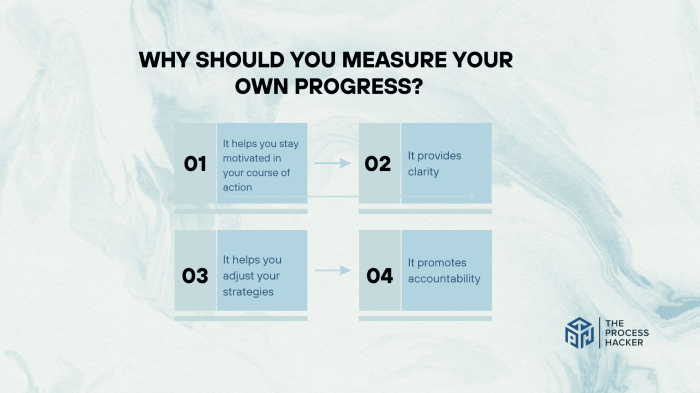
Individuals frequently struggle to observe subtle shifts in their daily behavioral patterns without establishing a structured baseline methodology
Source: theprocesshacker.com
The human journey forward often feels like navigating a dense, fog-laden forest where every tree looks identical to the last, making it nearly impossible to notice whether ground is actually being gained. People routinely wake up with aspirations of profound personal transformation, only to find themselves stumbling through weeks of stagnant routines because the incremental changes happening inside their minds are far too microscopic to register on a casual glance.
Without a deliberate, architectural framework to anchor daily observations, personal evolution remains an elusive ghost, whispering of progress while leaving no tangible footprints behind in the sand of everyday life.
Establishing this vital baseline methodology requires peering past the chaotic noise of immediate existence and mapping out the quiet topography of ordinary actions. When individuals attempt to measure their internal growth without concrete reference points, they inevitably fall prey to the shifting sands of perception, mistaking momentary emotional turbulence for systemic failure or fleeting joy for permanent mastery. A rigorous baseline serves as a reliable anchor in a sea of cognitive subjectivity, providing the necessary contrast to reveal how far a person has truly traveled from their starting point.
Psychological mechanisms governing memory distortion
Memory is fundamentally an active, creative reconstruction process rather than a passive, high-definition recording device operating in the background of consciousness. When individuals attempt to look backward and evaluate their past emotional states or behavioral habits, the human brain relies heavily on current emotional resonance to color historical data. This phenomenon, known in psychological literature as the presentism bias, causes a person having a difficult Tuesday to falsely conclude that the entire preceding month was equally miserable, effectively erasing genuine victories achieved just days prior.
Furthermore, confirmation bias acts as an internal filter, hunting relentlessly for historical evidence that supports a newly formed self-narrative while quietly discarding contradictory data points. If someone adopts the belief that they never make progress in emotional regulation, their memory systems actively suppress recollections of calm responses to provocation, bringing forward only the explosive arguments that validate the current negative hypothesis.
Understanding these underlying psychological distortions underscores the urgent necessity of moving away from purely mental bookkeeping toward tangible, externalized tracking methods.
Structural architecture of behavioral tracking matrices
To bypass the treacherous pitfalls of subjective memory, individuals must implement concrete organizational tools that translate abstract habits into readable data streams. The design of a comprehensive observation matrix transforms chaotic daily experiences into a clear visual landscape, illuminating patterns that would otherwise remain hidden beneath the surface of routine consciousness.
Below is a blueprint for structuring an HTML observation matrix designed to capture the multifaceted nature of daily personal evolution across four distinct dimensions.
| Baseline Habits | Frequency Metrics | Emotional Triggers | Observation Intervals |
|---|---|---|---|
| Mindful morning breathing | 5 times per week | Racing thoughts about work deadlines | Daily at 08:00 AM |
| Dedicated deep work blocks | 3 hours per session | Smartphone notifications and auditory clutter | Bifurcated morning and afternoon windows |
| Evening gratitude journaling | 7 consecutive days | Physical fatigue and end-of-day lethargy | Nightly before sleep |
Sanctuary design for contemplative weekly reviews
True self-reflection cannot flourish amidst the blaring alarms, flashing screens, and relentless demands of a hyper-connected modern environment. Cultivating deep awareness demands the deliberate carving out of a physical and mental sanctuary—a dedicated space and time where external noise is entirely stripped away, allowing the subtle whispers of personal growth to finally be heard. This ritualistic retreat acts as the vital processing engine of personal evolution, turning raw behavioral data into actionable wisdom.
Creating this contemplative environment involves specific architectural choices that signal to the nervous system that deep, unhurried introspection has officially commenced.
- Select a specific physical corner or room free from digital devices, work-related materials, and household foot traffic.
- Incorporate sensory elements such as warm, dim lighting, natural wood textures, and the faint scent of cedar or lavender to signal relaxation.
- Schedule the reflection session at the exact same hour every week, treating the appointment with the same unyielding gravity as a meeting with a mentor.
- Keep all analytical tools, such as the tracking matrices and journals, physically enclosed within a drawer until the contemplative phase concludes.
Analog documentation protocols for unstructured self-discovery
Before launching into sleek digital spreadsheets or algorithmic habit-tracking applications, the human psyche requires a period of raw, analog exploration to map its true contours. Rushing into high-tech tracking solutions often forces messy, complex human behaviors into rigid, sterile boxes that fail to capture the nuanced reality of personal struggle and triumph. An unlined, physical notebook serves as a liberating canvas where messy thoughts, stray inspirations, and emotional friction can be deposited without the pressure of optimization or performance metrics.
Documenting unstructured thoughts requires a commitment to radical honesty and stream-of-consciousness writing, letting the pen move across the paper before the inner critic has time to censor the output. A person might spend ten minutes sketching an erratic emotional timeline of their week or scrawling fragmented paragraphs about an unexpected burst of patience during a traffic jam. This analog preamble allows the authentic shape of one’s habits to emerge organically, ensuring that subsequent tracking systems are built around genuine human needs rather than idealized fantasies of perfection.
What is not measured through structured reflection remains at the mercy of shifting moods, leaving personal evolution to chance rather than deliberate architectural design.
Visualizing this analog sanctuary involves picturing a heavy, leather-bound journal resting on a dark wooden desk beside a ceramic mug of steaming herbal tea. The room is bathed in the amber glow of a single desk lamp as rain taps softly against the windowpane, isolating the writer entirely from the frantic pace of the outside world. The pages of the open book display a chaotic map of arrows, scribbled margins, and underlined realizations, representing the messy, beautiful genesis of true self-awareness before it is translated into clean metrics.
Translating intangible emotional maturity into tangible metrics requires unorthodox documentation techniques beyond standard journaling.

Source: abstacker.com
Growth rarely announces itself with sirens or dramatic life overhauls. Instead, it arrives in whispers, hidden deep within the mundane choreography of everyday existence. Converting abstract psychological milestones into concrete data points bridges the gap between vague self-perception and verifiable reality. When emotional resilience shifts from a fleeting feeling to a charted metric, the invisible architecture of character suddenly steps into the sharp focus of objective observation.
Tracking your inner evolution requires pausing to notice subtle shifts in mindset and resilience. Much like experiencing Plant-based fine dining best vegan luxury restaurants where exquisite flavors mark a refined milestone in culinary art, celebrating quiet victories illuminates your ongoing journey, proving that true self-improvement is an ongoing masterpiece of dedication and grace.
Traditional diary entries often trap feelings in endless loops of narrative prose, making it nearly impossible to track genuine developmental velocity. By translating psychological shifts into numerical indices and gradient scales, individuals unlock a panoramic view of their inner landscape. This quantitative shift transforms elusive concepts like patience, empathy, and boundary-setting into trackable variables. Tracking these metrics on a monthly gradient scale reveals micro-trends that standard memory naturally filters out, offering undeniable proof of psychological resilience during turbulent seasons.
Unorthodox Physical Artifacts Representing Internal Breakthroughs
Physical manifestations of psychological evolution anchor fleeting mental victories into the material world, creating tangible touchstones for a transformative twelve-month journey. Utilizing unconventional items to map internal shifts provides a deeply visceral reminder of how resilience hardens over time. These artifacts serve as private monuments to moments when old psychological patterns dissolved to make space for healthier ways of engaging with the world.
Tracking internal evolution requires quiet reflection, mapping milestones against past uncertainties like setting coordinates for a map. Stepping away from daily routines to recharge often highlights how far your mindset has truly traveled. Consider experiencing Top luxury weekend getaways near major US cities to gain fresh perspective. Ultimately, genuine self-improvement shines brightest when balanced with deliberate rest.
- A collection of smooth river stones, where each colored pebble represents a successfully navigated emotional trigger, transitioning from jagged quartz representing chaos to polished jade signifying inner peace.
- An ever-growing ceramic mosaic bowl, with each broken shard glued back together using metallic gold kintsugi lacquer to symbolize the integration of past relational trauma into enduring strength.
- A terrarium containing a single slow-growing succulent, deliberately pruned and repotted quarterly to mirror the deliberate shedding of outdated personal philosophies and toxic environments.
- A custom color-graded linen tapestry, dyed darker each time a deeply ingrained self-sabotaging mental loop is intercepted and dismantled within thirty seconds of activation.
Interpersonal Boundary Auditing Procedures
Relationships act as the ultimate litmus test for emotional maturity, revealing the exact permeability of personal boundaries. Evaluating the ecosystem of a social circle requires a systematic, clinical auditing process to map how interpersonal dynamics have evolved over a specified temporal horizon. This analytical approach strips away emotional bias, allowing observers to quantify whether their relational network nurtures reciprocal growth or drains psychological capital.
- List all primary and secondary social connections active within the past twelve months, noting the frequency of meaningful interactions versus purely circumstantial encounters.
- Assign a behavioral score from one to ten for each contact, evaluating specific criteria such as mutual respect for stated limits, energetic reciprocity, and the absence of guilt-tripping dynamics.
- Categorize each relationship into concentric circles representing deep sanctuary, cooperative peer alignment, distant acquaintance, or deliberate architectural detachment.
- Analyze the longitudinal shift in categorization, mapping out instances where boundaries were successfully enforced through clear communication versus scenarios where access was quietly revoked.
Quiet, internal evolution resembles the unhurried movement of tectonic plates, where monumental transformation occurs invisibly beneath a calm surface long before any seismic shift breaks the horizon. This deliberate pacing ensures that structural integrity matches external expansion, protecting the fragile roots of newly acquired wisdom from premature exposure.
True emotional maturity is an unhurried awakening, etched slowly into the soul through countless invisible choices, proving that the deepest transformations leave no immediate footprint yet reshape the entire landscape of a life.
Periodic environmental changes often distort our perception of internal development unless we utilize immutable reference points.
Life rarely remains static, and the shifting landscapes of our careers, relationships, and physical surroundings constantly create optical illusions regarding our personal evolution. When the background of daily existence continuously transforms, measuring true psychological distance becomes extraordinarily difficult without reliable anchors. Establishing fixed calibration points allows individuals to cut through the optical noise of external disruption and recognize genuine internal maturation.
Navigating these turbulent waters demands deliberate strategies that freeze a specific moment in time, creating a reliable bedrock against which future progress can be accurately measured.
Transforming abstract psychological shifts into concrete realizations requires tangible artifacts that bypass the unreliable nature of human memory. Without a physical benchmark, the mind easily succumbs to recency bias, often masking deep-seated resilience under the weight of immediate, temporary stress. Establishing these concrete touchstones anchors the elusive nature of emotional maturity into physical reality, offering undeniable proof of endurance and adaptability.
Construction of analog time capsules for psychological benchmarking
Building a physical time capsule serves as a powerful psychological anchor, freezing a precise moment of emotional reality to be reopened during future chapters of life. This tactile exercise demands physical materials that resist degradation, mirroring the permanence required for deep self-reflection.
To construct this analog repository, gather a heavy-gauge metallic tin, acid-free parchment paper, and archival ink pens that prevent fading over decades. Seal the container with industrial wax to protect the contents from environmental decay, ensuring the integrity of the message remains entirely uncompromised until the designated opening date.
Inside this capsule, compose three specific letters directed to future iterations of yourself, each designed to capture distinct psychological dimensions:
- The first letter Artikels current anxieties and immediate professional roadblocks with brutal, unfiltered honesty.
- The second document details prevailing coping mechanisms and the subconscious habits currently governing daily routines.
- The third record establishes explicit core values and non-negotiable boundaries that define the present identity.
Matrix mapping environmental shifts and psychological recovery
Analyzing the interplay between external surroundings and internal stability requires structured data visualization that tracks behavioral shifts over extended periods. The following responsive HTML table provides a comprehensive framework to map these fluctuations, detailing how changing variables directly influence human recovery cycles and stress responses.
By organizing these metrics into a structured grid, patterns emerge that reveal vulnerabilities to specific environmental stressors and highlight the gradual strengthening of coping strategies.
| Environmental Shifts | Stress Responses | Coping Mechanisms | Recovery Durations |
|---|---|---|---|
| Sudden remote work transition | Heightened isolation and blurred personal boundaries | Establishing rigid schedule blocks and physical exercise routines | Fourteen days to achieve baseline productivity |
| Open-plan office noise saturation | Chronic cognitive fatigue and fractured concentration | Deploying active noise-canceling technology and time-blocking | Three to five days of intentional solitude |
| Frequent geographical relocation | Identity disorientation and decision fatigue | Replicating morning rituals and seeking local community hubs | Thirty to forty-five days for emotional stabilization |
| Corporate restructure and leadership change | Imposter syndrome and anticipatory anxiety | Documenting daily micro-wins and seeking mentorship | Twenty-one days of deliberate perspective recalibration |
Cognitive friction caused by physical workspace transformations
The architecture of a workspace dictates the rhythm of thought, acting as either a catalyst for deep analytical focus or a breeding ground for relentless distraction. Transitioning from quiet, sequestered environments to high-stimulus open-plan offices frequently fractures attention spans, forcing the brain to expend excessive energy on filtering out extraneous sensory input. This constant cognitive taxation depletes emotional resilience, leaving individuals acutely vulnerable to burnout by the end of a standard workday.
Conversely, returning to a carefully curated, distraction-free environment often triggers an immediate surge in cognitive productivity, underscoring how deeply our internal processing power is tethered to physical surroundings. Recognizing this direct correlation empowers individuals to proactively redesign their immediate surroundings, treating ergonomics and sensory management not as mere luxuries, but as foundational pillars of sustained psychological health.
Retrospective visualization of past hardships through current wisdom
The mind sits inside a sunlit, cedar-paneled study overlooking a dense pine forest, cradling a warm ceramic mug of dark roast coffee while the morning mist slowly lifts from the valley floor. Looking back across a span of ten years, a vivid mental snapshot emerges of a cramped, subterranean studio apartment in the dead of winter, where the biting frost painted intricate ice crystals on the single, drafty windowpane.
In that agonizing chapter of life, a mountain of mounting debt and sudden professional displacement felt like an insurmountable catastrophe that threatened to permanently crush all creative aspirations. Today, viewing that exact memory through the lens of accumulated experience reveals that the piercing hardship was actually a crucible, meticulously forging the unbreakable patience and strategic resilience that now anchors every modern endeavor.
True personal evolution remains invisible to the naked eye until measured against the unyielding monuments of our past struggles and deliberate milestones.
Confronting recurring cognitive dissonance serves as a profound indicator of psychological elevation that traditional metrics completely overlook.: How To Measure Personal Growth Progress Over Time
Growth is rarely a straight line of accumulating accolades; rather, it echoes quietly in the friction of our own changing minds. When traditional milestones fail to capture the subtle architecture of personal evolution, we must look toward the invisible friction points of internal contradiction. This friction, often dismissed as mere confusion, is actually the engine room of deep psychological maturation.
To truly understand how far we have traveled inward, we must examine the exact moment an old mental loop stops triggering an automatic defensive reaction. Picture a scenario that historically ignited an immediate, fiery response—perhaps a critical remark from a colleague or an unexpected disruption to a meticulously planned schedule. In the past, the nervous system might have flared instantly, deploying protective sarcasm or stubborn denial before conscious thought even had a chance to intervene.
Psychological elevation manifests precisely when that ancient machinery stutters and pauses. There is a microscopic, breathtaking fraction of a second where the familiar trigger arises, hangs suspended in the air, and instead of lunging for the weapon of defense, the mind simply observes the stimulus with quiet curiosity. The automatic reflex dissolves, replaced by the profound realization that one no longer needs to armor oneself against ghosts from yesterday.
Visual descriptive language paints this evolution vividly: imagine standing in a dimly lit archive of the mind where towering filing cabinets of old anxieties line the walls. Suddenly, a familiar storm siren wails—the trigger of an old insecurity. But instead of scrambling to lock the doors, the observer simply watches the dust motes dance in the shaft of light, realizing the storm has no actual power to tear down the building anymore.
This precise pause marks the boundary where reaction transforms into deliberate response.
Ethical dilemmas as barometers for shifting core priorities
Navigating complex moral landscapes often provides the sharpest X-ray of our internal development. As we mature, the criteria by which we make difficult choices undergo a silent, tectonic shift, moving away from external validation toward internal integrity.
When society demands compliance at the cost of authenticity, our ethical compass reveals the true coordinates of our current character. The following situations illustrate how deeply held values adapt and mature over time, shifting priorities from superficial approval to substantive truth.
- Choosing professional transparency over convenient silence during a corporate crisis, demonstrating allegiance to collective trust rather than personal self-preservation.
- Reallocating personal resources toward long-term community resilience instead of seeking short-term social status, marking a departure from vanity metrics.
- Setting firm, compassionate boundaries with lifelong relationships that demand emotional stagnation, prioritizing mutual evolution over comfortable historical inertia.
Visualizing navigational progress through personal labyrinths, How to measure personal growth progress over time
Translating the abstract journey of overcoming recurrent life obstacles into a tangible format requires spatial mapping techniques that mirror the wandering yet purposeful nature of human resilience. A powerful method for tracking this progression involves the deliberate sketching of a personal labyrinth.
Unlike a maze designed to trap and confuse, a labyrinth features a single, winding path that leads inevitably to the center and back out again. By drawing this intricate pattern on parchment, individuals can visually plot the recurring themes of their struggles, designating outer rings as youthful turbulence and inner corridors as hard-won wisdom. As the pencil traces the loops and turns, the artist documents specific breakthroughs directly onto the paper geometry, transforming chaotic memories into an orderly blueprint of endurance.
This cartography of the psyche allows an individual to literally look down at their struggles from a bird’s-eye view, recognizing that seemingly repetitive challenges are actually deeper spirals of the same fundamental lesson, approached each time with a wider lens and a steadier hand.
The absolute necessity of forgiving past mistakes
Carrying the heavy baggage of historical missteps acts as a persistent anchor, dragging down even the most sincere efforts toward self-improvement and emotional expansion. True psychological elevation requires an act of radical self-amnesty, acknowledging that the person who committed the past error operated from a strictly limited state of awareness.
Perception expands only when the observer stops punishing the self for the blindness of former seasons.
Without this foundational release of historical guilt, every attempt to measure current progress becomes tainted by a subconscious desire for self-punishment. Forgiving past miscalculations is not about excusing harmful behavior; it is about clearing the lens of the present moment so that genuine maturity can be accurately perceived, celebrated, and built upon without the dark shadow of perpetual self-indictment.
Tracking your inner evolution requires deliberate reflection, much like mastering the art of How to get reservations at exclusive fine dining restaurants through patience and precision. Every milestone achieved illuminates a brighter path forward, proving that consistent dedication ultimately transforms quiet aspirations into vibrant reality.
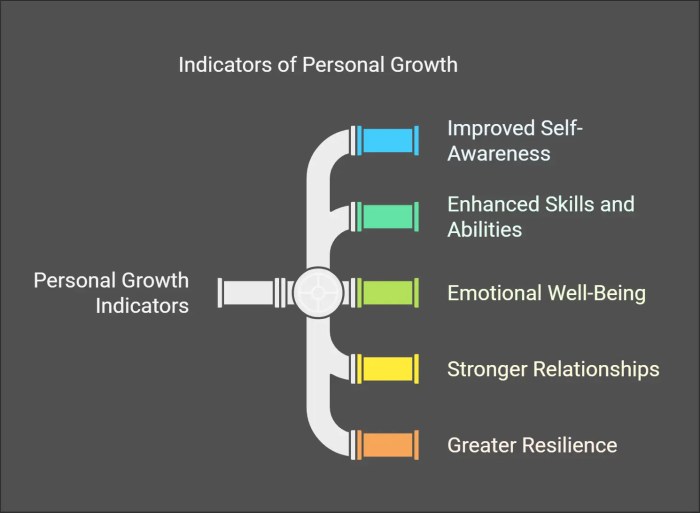
Somatic responses and physiological intuition often register profound internal shifts long before the conscious mind acknowledges them.
Source: createhighervibrations.com
We often rely heavily on intellectual reflections to chart our personal evolution, completely overlooking the brilliant intelligence housed within our physical frames. Deep structural transformation within the human psyche does not merely occur as an abstract concept; it echoes directly through our biology. Long before our conscious thoughts can adequately articulate a breakthrough or recognize an internalized lesson, our physical vessel registers the shift.
Tracking your inner evolution requires looking closely at milestone markers and shifting mindsets. When professional stagnation blurs those vital benchmarks, recognizing Signs you need a career coach for executive leadership illuminates the path forward. By embracing expert guidance, you continuously calibrate your ambition, ensuring every deliberate step translates into measurable, lifelong success.
The nervous system acts as an immutable archivist of our maturation, keeping score of every boundary set, every trauma integrated, and every moment of hard-won grace achieved over the years.
Physical posture, breathing depth, and chronic tension levels serve as remarkably reliable barometers for emotional stability over extended periods. When an individual navigates prolonged psychological distress or unresolved emotional turbulence, the body automatically adopts a protective armor. Shoulders hunch forward to shield the vulnerable heart space, the diaphragm constricts to shallow, erratic patterns that signal a perpetual state of emergency, and myofascial tissues lock into rigid clusters along the neck, jaw, and lower back.
Conversely, as psychological resilience deepens through dedicated inner work, the biological architecture undergoes a profound relaxation. The spine lengthens naturally, supported by a newly cultivated internal strength rather than forced rigidity. Diaphragmatic capacity expands, allowing oxygen to flood the system and soothing the vagus nerve, which in turn dramatically reduces baseline cortisol output. Chronic knots dissolve not through aggressive force, but because the nervous system finally receives the somatic memo that the environment is fundamentally safe.
Tracking these subtle physiological alterations provides undeniable proof of inner growth, bypassing the deceptive narratives of the ego to reveal the authentic state of our emotional maturation.
Physical Manifestations of Internal Resilience
Observing somatic data requires an acute appreciation of how visceral reactions mirror psychological victories in real-time scenarios. Consider a quiet, dimly lit corporate boardroom where heavy mahogany tables absorb the tension of a high-stakes, historically contentious negotiation. An individual sits facing a formidable adversary who historically triggered immediate, debilitating panic responses, characterized by a racing pulse, throat constriction, and clammy palms.
In this vivid cinematic tableau, the ambient light catches the dust motes suspended in the air, highlighting the stark contrast between the chaotic external environment and the sudden, profound stillness taking root inside the protagonist. As the opposing party launches into a familiar, aggressive verbal attack, the familiar alarm bell rings faintly in the background of the mind, but the physical reaction diverges completely from historical precedent.
The protagonist watches their own hand rest flat against the polished wood, noticing the skin is steady and warm. Internally, a miraculous deceleration occurs. The heartbeat, which previously hammered against the ribs like a trapped bird, slows down with deliberate, rhythmic authority, dropping from a frantic pace into a deep, resonant cadence. Each inhalation draws cool air deep into the lower lobes of the lungs, gently expanding the ribcage while the shoulders drop an inch away from the ears.
This visceral moment of physiological mastery demonstrates that the internal landscape has fundamentally shifted, proving that emotional regulation has moved from a theoretical aspiration to an embodied reality.
Translating these somatic observations into actionable metrics requires a structured tracking system that bridges the gap between raw physical sensation and analytical review. The following framework organizes physical feedback into a coherent, responsive matrix designed to monitor physiological evolution over time.
| Physical Tension Zone | Associated Emotional Memory | Release Technique | Somatic Integration Score |
|---|---|---|---|
| Upper Trapezius and Neck | Carrying excessive responsibility and chronic hypervigilance from early career pressures | PNF stretching combined with slow, rhythmic lateral head rolls and breath-holds | 7.5/10 |
| Temporomandibular Joint (Jaw) | Unspoken boundaries and suppressed anger during familial conflicts | Myofascial trigger point therapy and conscious tongue-resting posture drills | 8.2/10 |
| Diaphragmatic and Psoas Area | Deep-seated existential fear of abandonment and financial insecurity | Somatic shaking exercises paired with prolonged belly breathing and restorative yoga poses | 6.8/10 |
Honoring the vessel that carries us through these profound transformations demands a dedicated physical practice that moves beyond aesthetic fitness into the realm of somatic reverence. Engaging in a movement routine specifically engineered to acknowledge bodily endurance helps consolidate psychological gains into cellular memory.
- Initiate the movement practice with five minutes of floor-based proprioceptive mapping, closing the eyes to scan the body from crown to sole while actively thanking each muscle group for holding you through the stresses of the preceding week.
- Transition into slow, articulation-focused spinal waves, moving segment by segment through cat-cow variations to lubricate the vertebrae and acknowledge the literal spine of resilience you have developed.
- Execute a series of extended holds in grounding postures, such as a deep warrior stance, focusing intently on maintaining a soft gaze and an unconstrained breath while holding the shape for three full minutes to build physiological tolerance for sustained pressure.
- Conclude the sequence with a prone nervous system reset, resting the forehead completely against the earth to symbolize total surrender to gravity, allowing the skeleton to release its workload entirely while visualizing the breath washing away residual cellular fatigue.
True psychological elevation is ultimately a biological event, written indelibly in the relaxed architecture of an aligned spine, the rhythmic depth of a steady breath, and the quiet power of a heartbeat that refuses to panic in the face of old storms.
Redefining personal success through the lens of accumulated friction rather than final outcomes completely alters self-assessment accuracy

Source: slidescarnival.com
Modern society relentlessly conditions individuals to measure their life achievements through polished milestones, sparkling trophies, and glittering social accolades. Yet, true psychological fortitude rarely emerges from the smooth, unblemished paths of least resistance. Shifting the core definition of personal success toward the accumulation of friction transforms self-assessment from a superficial exercise into a profound, razor-sharp instrument of truth. When the heavy, unyielding grit of daily resistance becomes the primary gauge of progress, hidden reservoirs of resilience are suddenly brought sharply into focus.
This paradigm shift forces a radical departure from outcome-based euphoria. People frequently stumble because they mistake a fortunate final result for genuine inner evolution, ignoring the hollow foundations upon which those fleeting victories are often built. By tracking the exact moments of friction—the difficult conversations avoided, the complex ethical dilemmas wrestled with, and the stubborn habits stubbornly dismantled—a completely new topographical map of maturity is drawn.
This methodology strips away the illusions manufactured by external applause, leaving behind the raw, unvarnished data of actual human character development in motion.
The Mechanics of Deliberate Discomfort and Psychological Elasticity
Stepping voluntarily into the arenas of minor daily discomfort acts as a powerful catalyst for expanding mental bandwidth and emotional elasticity. Picture a runner intentionally training on steep, uneven terrain rather than a flat, synthetic track to build structural integrity; the mind operates in an identical fashion when exposed to controlled adversity. Seeking out the jagged edges of routine—such as speaking up against a prevailing social current, tackling a profoundly intimidating administrative task first thing in the morning, or sitting quietly with a difficult emotion instead of distracting oneself with a screen—trains the nervous system to handle chaos without shattering.
Neuroscience demonstrates that neuroplasticity heavily relies on novel cognitive challenges to forge resilient neural pathways. When individuals consciously embrace manageable friction, the prefrontal cortex learns to maintain executive control while the amygdala fires off alarm signals. Over time, this repeated exposure lowers baseline anxiety and dramatically shortens recovery periods following unexpected life disruptions. The mind stops perceiving every minor inconvenience as a catastrophic existential threat and instead recognizes friction as the essential raw material required for structural reinforcement.
Consequently, individuals who lean into discomfort develop an elastic mindset that snaps back into place effortlessly after enduring severe pressure.
Evaluating Empathy Beyond Social Achievements
Standard societal metrics often conflate networking prowess and performative kindness with deep emotional intelligence. True interpersonal depth, however, reveals itself in quiet, invisible moments far away from the spotlight of public applause. Measuring the genuine expansion of empathy requires looking past superficial relationship metrics to examine how deeply one absorbs and respects the emotional reality of another human being.
- Tracking the frequency of listening purely to understand rather than formulating a clever reply during heated interpersonal disagreements.
- Observing the capacity to hold non-judgmental space for someone else’s grief or anger without hastily attempting to fix or dismiss their pain.
- Assessing the willingness to quietly forgive and let go of grievances even when receiving a complete public apology remains entirely out of reach.
- Measuring the internal shift from viewing differing worldviews as personal threats to recognizing them as fascinating variations of the human experience.
- Evaluating the consistency of advocating for the marginalized or unheard in completely private settings where no social capital or reputation points can possibly be gained.
The Hidden Dangers of External Validation
Anchoring personal worth exclusively to external accolades resembles building a magnificent skyscraper on a foundation of shifting quicksand. When promotions, titles, and public praise dictate internal well-being, any unexpected downturn in professional or social standing instantly triggers an identity crisis. This dangerous reliance creates a relentless, exhausting hamster wheel where the individual must continuously perform at peak levels just to maintain a fragile baseline of self-esteem.
The psychological cost is severe, often manifesting as chronic burnout, imposter syndrome, and a profound alienation from one’s authentic desires.
Consider the cautionary tale of high-achieving corporate executives who reach the pinnacle of their industries only to experience crushing existential despair because their internal landscape remains entirely undeveloped. They discover too late that the applause of thousands cannot heal the quiet fractures within a neglected soul. External achievements are fundamentally volatile, subject to economic shifts, corporate restructuring, and the fickle nature of public opinion.
Relying on them for internal maturation blinds the individual to the slow, steady erosion of their genuine moral compass, ultimately replacing self-awareness with a hollow, meticulously curated persona designed solely for external consumption.
Executing the Annual Psychological Audit
Stripping away deeply ingrained societal expectations requires a systematic, uncompromising examination of one’s life choices, core motivations, and unspoken fears. Conducting a comprehensive annual psychological audit provides the necessary structural framework to dismantle illusions and realign daily actions with authentic inner values. This intentional process demands complete brutal honesty, moving far beyond standard goal-setting exercises into the deeper, uncharted waters of existential inventory.
- Isolate all major life decisions made over the preceding twelve months and explicitly separate those driven by parental, peer, or cultural pressure from those born of genuine intrinsic desire.
- Examine every instance of chronic burnout or persistent resentment experienced during the year to identify the exact boundary violations or misaligned commitments that caused the friction.
- Review the personal calendar and financial statements to objectively map where time and resources were actually allocated, comparing those physical metrics against stated personal priorities.
- Identify the specific fears, insecurities, or difficult conversations that were deliberately avoided, and document the hidden costs of those avoidances on overall personal growth.
- Draft a radically revised personal manifesto that explicitly discards outdated ambitions, inherited expectations, and superficial metrics of success, replacing them with a custom framework built exclusively on accumulated friction and authentic emotional resilience.
True maturation is not measured by the height of the pedestal you build for the world to admire, but by the weight of the friction you willingly carry to forge your authentic self.
Last Recap

Source: amazonaws.com
Ultimately, recognizing your own evolution is not about chasing external accolades, but about honoring the accumulated friction that forged your resilience. When you strip away societal expectations and look closely at your somatic responses, cognitive shifts, and newfound emotional boundaries, a profound truth emerges. You are not the person you were yesterday, and by embracing these unorthodox methods of self-assessment, you step boldly into a future shaped by authenticity, wisdom, and enduring inner strength.